


AI Will Transform Digital Marketing by 2026
Ever notice how Spotify seems to know exactly which songs you want to hear? Or how Netflix recommends movies you’re likely to enjoy? That’s AI quietly at work.
Right now, it helps marketers write posts, analyze data, design visuals, and run small campaigns faster than ever.
But by 2026, AI won’t just assist your marketing team; it will run entire campaigns, predict customer behavior, and even make decisions for your brand.
You open your dashboard and… nothing looks familiar. The strategies you’ve relied on for years? Outdated. SEO? Almost meaningless. Social campaigns? Your competitor’s AI seems to know your customers better than you do, predicting their every move before they even click.
Sounds like science fiction? It’s not. This is coming faster than most brands realize. AI is rewriting the rules of marketing from the ground up.
According to Statista, the AI industry is expected to grow at a CAGR of 27.67% over the next five years, yielding a $826.73 billion market volume by 2030.
In this blog, we’ll take you inside the AI marketing trends that will transform marketing by 2026 and show you how your brand can stay ahead instead of getting left behind.
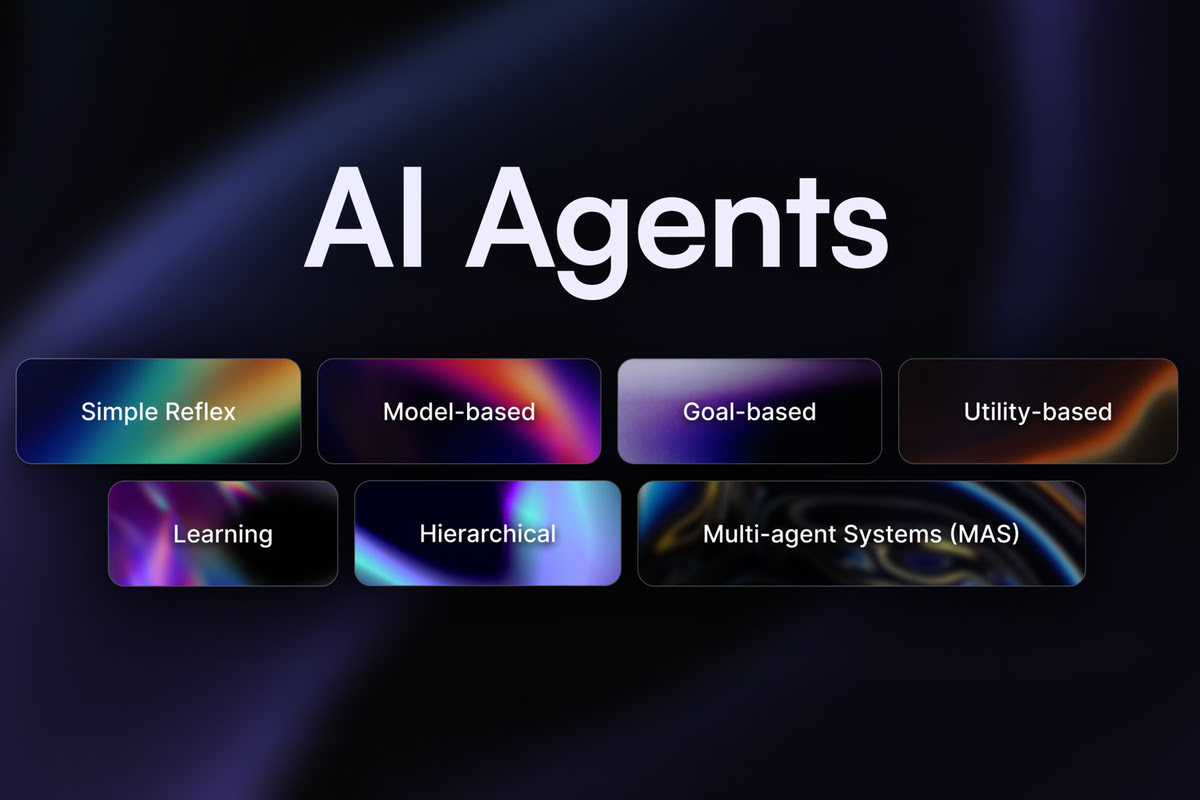
Trend #1:
AI Agents Will Replace Entire Marketing Departments
Most marketers think AI is “just a tool.” They have no idea what’s coming.
As AI evolves, it could displace 400 million workers worldwide. A McKinsey report predicts that between 2016 and 2030, AI-related advancements may affect around 15% of the global workforce.
Companies like Meta, Google, and OpenAI are all launching similar products: AI Business Agents, the next big revolution in AI-powered marketing.
These agents won’t just assist your business…
They will run it.
They will:
- Conduct product research
- Create creative ad campaigns
- Optimize media buying
- Segment audiences
- Post daily on social media
- Write email sequences
- Generate landing pages
- Send reports and analysis
Imagine this: one AI agent doing the work of a digital marketing agency. A single AI could replace dozens of employees handling repetitive tasks.
For brands, this means one thing: efficiency on a scale we’ve never seen before. And for marketers who resist? Well… 70% of their tasks might already be automated by 2026.
Trend #2:
The “No-Content Era”
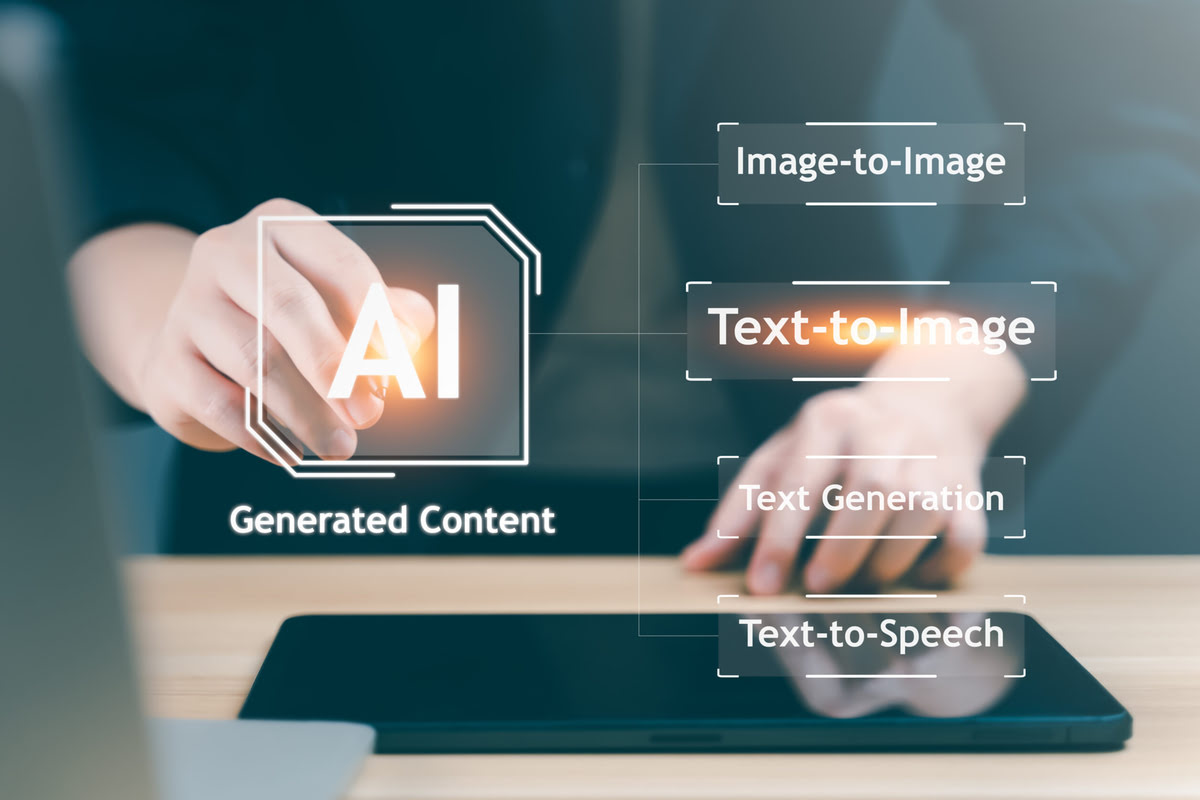
Today, content is king. Brands create blogs, videos, and social posts, and audiences consume them. But by 2026, Generative AI will not just create content, it will consume it too.
Here’s what this means:
- AI will generate content
- AI will recommend content
- AI will optimize content
- AI will summarize content for human readers
As a result, 80% of traditional content will not reach its intended audience. Only AI-generated content will survive and thrive.
Brands that prepare for AI-to-AI content interactions will capture attention, while others will struggle to reach consumers.
Trend #3:
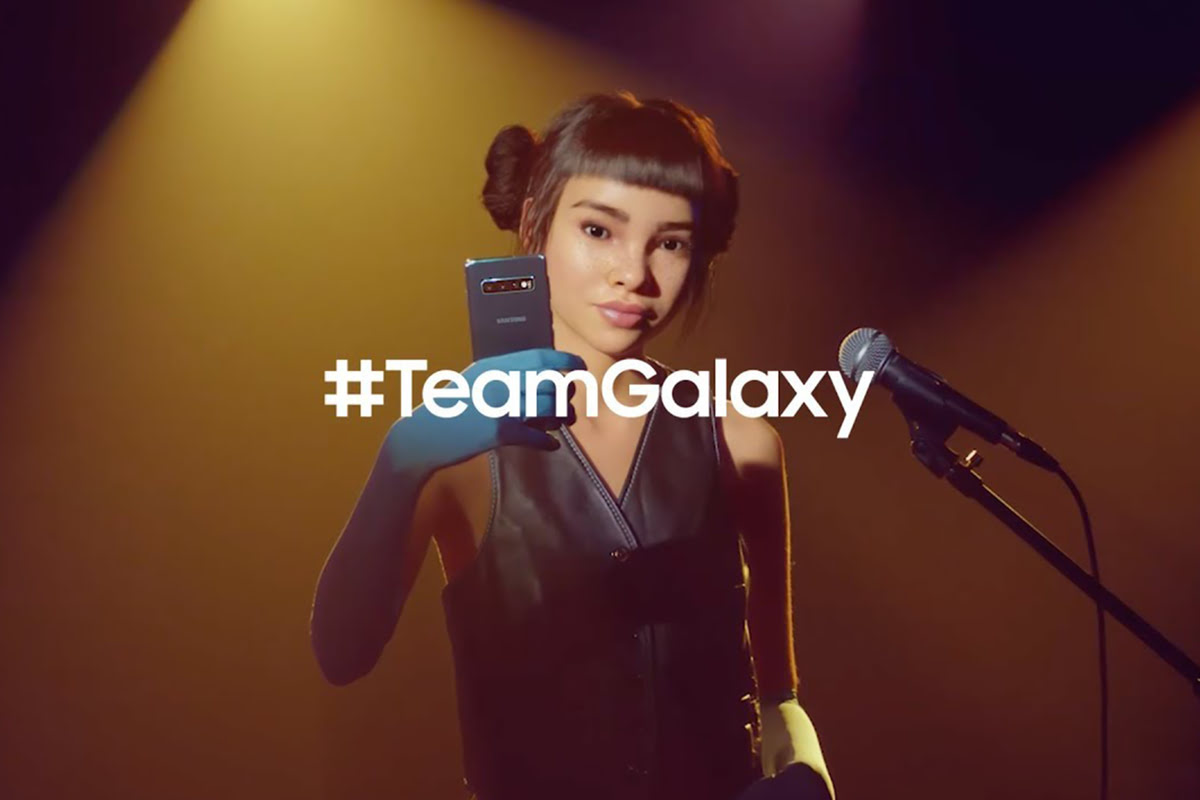
The Rise of Synthetic Influencers
AI influencers are already here!
Samsung, the tech giant has used AI avatars, including Lil Miquela, in product launches and as digital guides to explain features of their products to tech-savvy audiences.
As AI marketing strategy evolves, this trend will only get bigger.
By 2026, we’ll see:
- AI faces
- AI brand ambassadors
- AI models
- AI presenters
- AI YouTubers
- AI TikTok personalities
All of these will replace human creators.
Why? Because AI:
- Never gets sick
- Never makes demands
- Never causes scandals
- Is 100% brand-controlled
- Works fast
- Costs less
Brands will start saying:
“We don’t need human creators anymore.”
Creators who rely on brand deals?
Big trouble ahead.
Trend #4:
Emotion-Based AI Marketing
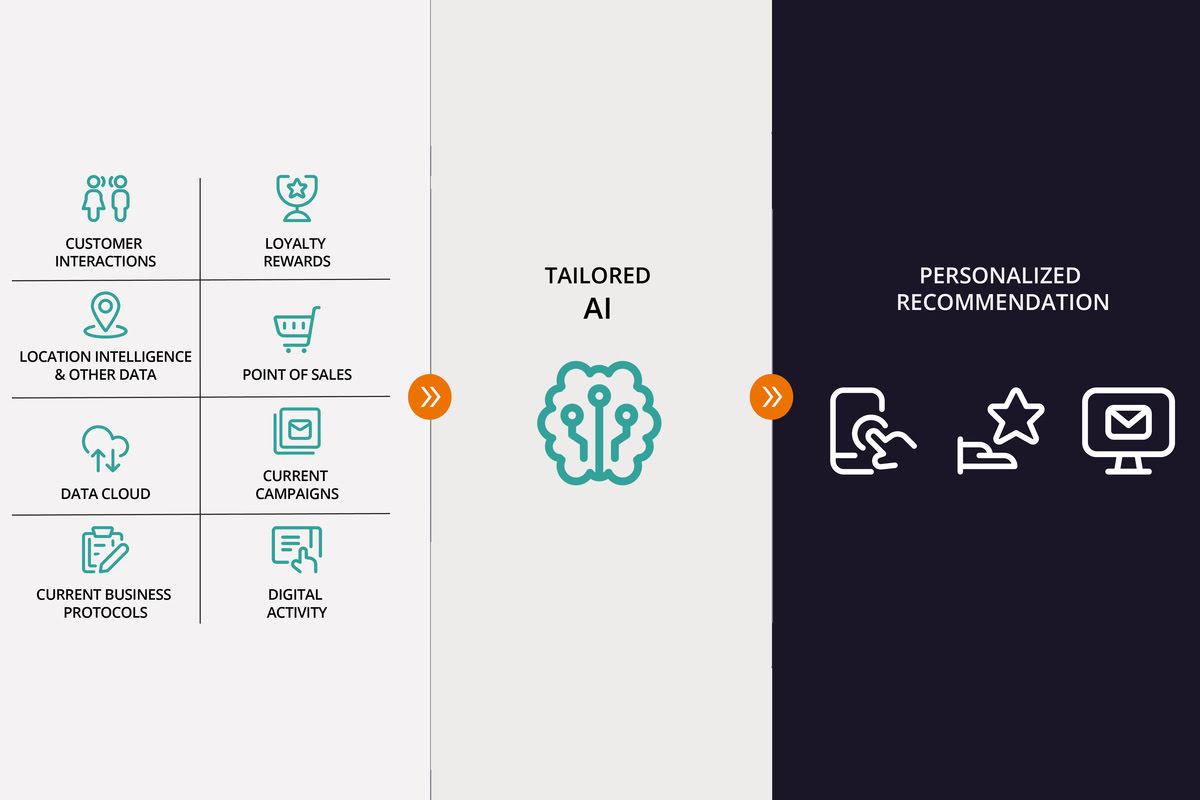
AI will be able to understand:
- Your facial expressions
- Your hesitation
- Your tone of voice
- Your scrolling patterns
- Your frustration
- Your excitement
And based on that, real-time ads, product suggestions, and website content will adapt automatically.
For example:
If a user is confused → show a simplified version
If a user is excited → enable a fast checkout
If a user is hesitant → display testimonials
If a user is bored → serve a short video
This is what we call “emotion-personalized marketing.”
In their 2025 global marketing insights report, Nielsen states that 59% of global marketers identified “AI for campaign personalization and optimization” as the “most impactful industry trend” for the year.
2024-level personalization = basic
2026-level personalization = basically mind-reading.
Trend #5:
SEO Almost Dead
Remember how everyone spent years chasing Google rankings? That’s about to change and AI in SEO is the biggest reason why.
According to a report attributed to Influencer Marketing Hub, up to 44.1% of key SEO tasks are now being automated through AI tools.
AI-powered search engines from companies like OpenAI, Perplexity, and Meta will deliver direct answers to users, not links.
This means:
- Blog rankings will become less relevant
- Keyword research may become outdated
- Backlinks will have little impact
- On-page SEO will no longer matter
Only content that AI can understand and process effectively will be surfaced. By 2026, the SEO industry, worth billions, could look very different.
Trend #6:
Infinite Ads
Today, brands create a handful of ad versions for A/B testing. Tomorrow? AI automation will create thousands of ad variations in real-time, each personalized for an individual user based on mood, behavior, and preferences.
- 30 designs? Too little.
- 30,000 dynamic versions per user? That’s the future of AI.
Brands are already experimenting with AI-generated ads:
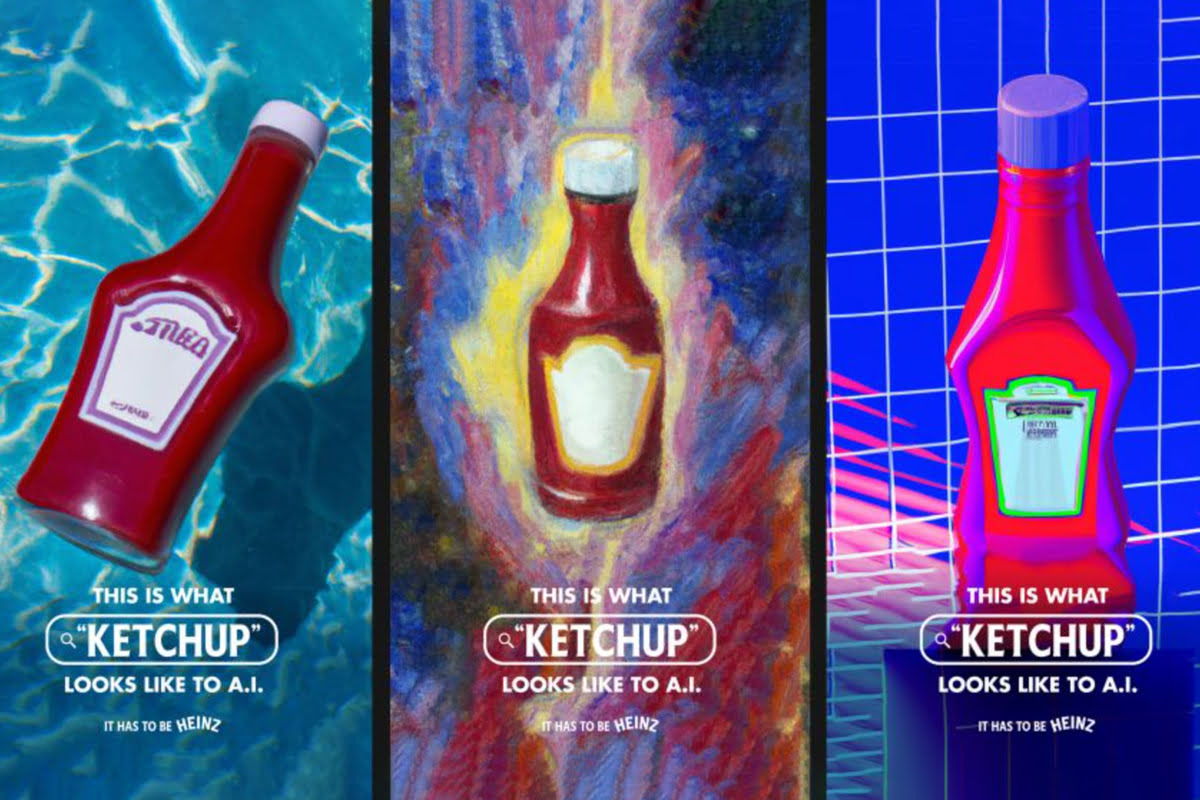
Heinz used a generative AI tool to generate visuals for “ketchup.” Almost every AI result resembled Heinz’s signature bottle, even when “Heinz” was never mentioned in the prompt. They turned this into a public campaign, “This is what ketchup looks like to AI.”
This example shows that AI isn’t just a future trend; it’s reshaping how brands create, test, and deliver ads today.
Brands that don’t adopt this approach risk being invisible.
AI will make ads so personalized that humans won’t even realize they are being targeted.
Trend #7:
Virtual Shopping Experiences
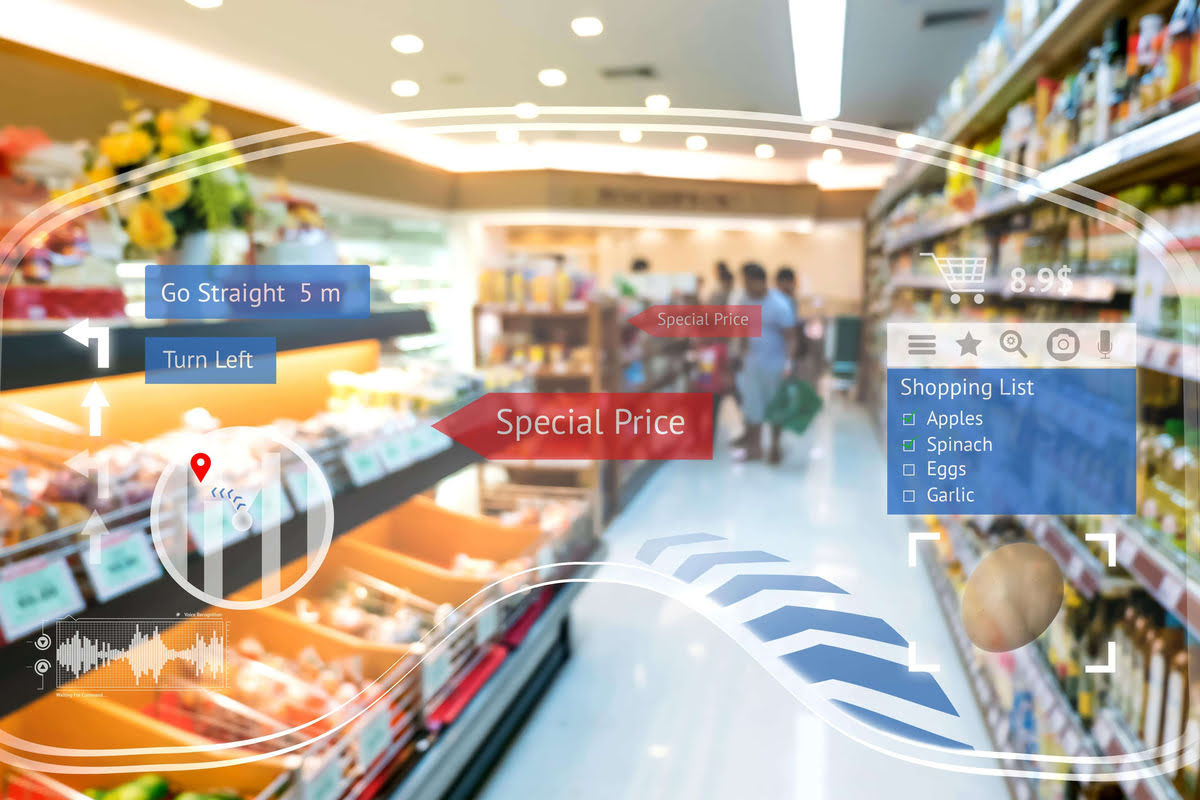
By 2026, online shopping will be immersive, interactive, and powered by the impact of AI in marketing. Customers will be able to:
- Try on clothes virtually
- Place furniture in their rooms via AR
- Explore products in 3D
- Walk through virtual stores guided by AI assistants
Brands that fail to adopt immersive experiences risk falling behind, while those who embrace AR and AI will dominate.
Online shopping will FEEL like real shopping.
So… Where Should Brands Start Today?
If you want to survive the AI takeover and unlock the full power of predictive marketing:
- Build AI literacy in your team
- Start using AI agents early
- Shift from SEO → AI-search optimization
- Start generating 3D assets
- Create data-rich content that AI can read
- Automate 50% of your marketing
- Prepare for synthetic influencers
- Build voice-based customer journeys
- Start experimenting with personalized ads
Future belongs to fast adopters, not big companies.
Final Word
The seven AI marketing trends we’ve explored aren’t just predictions; they’re your guide to what’s coming.
The biggest mistake brands make today? Thinking AI will just “assist” marketing. The truth is, AI will OWN marketing.
If you’re reading this, you’re already ahead of most brands. But staying ahead isn’t about awareness, it’s about taking action now. The faster you adapt, the stronger your position will be in the AI-driven world of marketing.
Frequently Asked Questions
How does artxpro combine AI with human creativity?
While AI automates repetitive tasks and predicts trends, our creative team guides storytelling, ensures brand consistency, and adds emotional impact. This balance of automation and human insight helps brands increase ROI with AI more effectively.
What types of AI tools does artxpro use?
We use paid and premium, globally recognized AI tools for content creation, video production, social media management, ad optimization, and analytics.
How does AI help artxpro optimize ad campaigns for brands?
AI analyzes audience data, engagement metrics, and platform performance in real-time. We use these insights to automatically adjust creatives, messaging, and targeting for maximum ROI.
How does artxpro use AI in video production?
We leverages AI to automate tasks like scriptwriting, storyboarding, animation, voiceovers, and editing. This reduces production time while maintaining high-quality visuals that engage audiences.
Does artxpro use AI for voiceovers and narration?
Absolutely. AI generates natural-sounding voiceovers in multiple languages and tones, making video production faster, more cost-effective, and adaptable for global campaigns.
How does artxpro use AEO in its SEO services?
Yes. artxpro incorporates AEO (Answer Engine Optimization) alongside AI-driven SEO strategies to help brands appear in rich answers, featured snippets, and voice search results. By optimizing content for direct answers and user intent, we help businesses improve visibility and engagement in search engines.

Digital Marketing Specialist
With a solid 12+ year background in digital marketing, Danyal delivers blogs packed with timely insights, useful tips, and impactful stories. His writing style is engaging, informative, and always rooted in real-world value for businesses and readers. From breaking down SEO strategies to exploring ecommerce trends and keeping tabs on what’s going viral online, he keeps it fresh, fun, and totally binge-worthy. If it’s worth knowing in the digital world, Danyal’s already writing about it.

An award-winning digital marketing agency dedicated to delivering effective solutions that ensure your success in the age of digital channels, screens, and trends.