


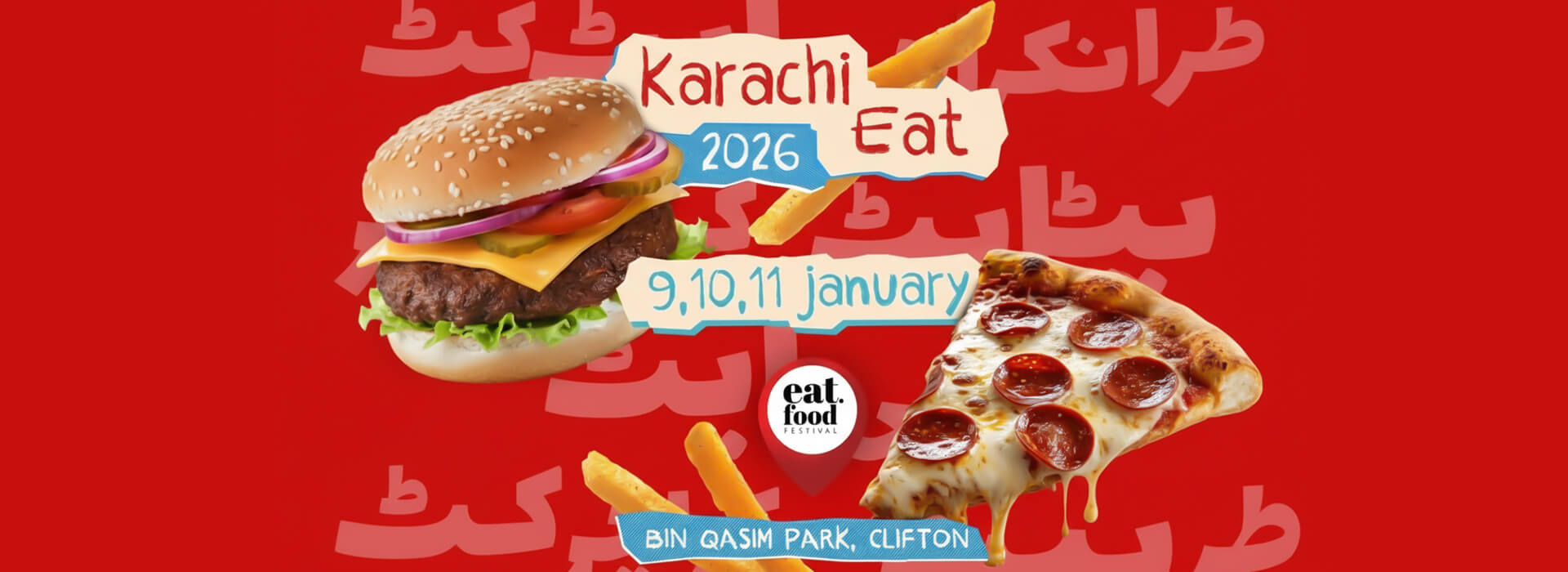
How Karachi Eat 2026 Became a Digital Marketing Success
Karachi Eat 2026 wasn’t simply an exciting food festival; it was a vibrant hub for food lovers, alive with music festival energy.
Phones were out before people even reached the first stall. Everyone was capturing, recording, and sharing. The festival itself was already trending online. People weren’t asking what’s good to eat; they were asking “where the perfect photo spot is, what’s trending, and which stall is going viral.”
K-Eat 2026 wasn’t just about food. It was a live, human-powered digital marketing campaign for food brands, where every plate, every performance, and every story contributed to its success.
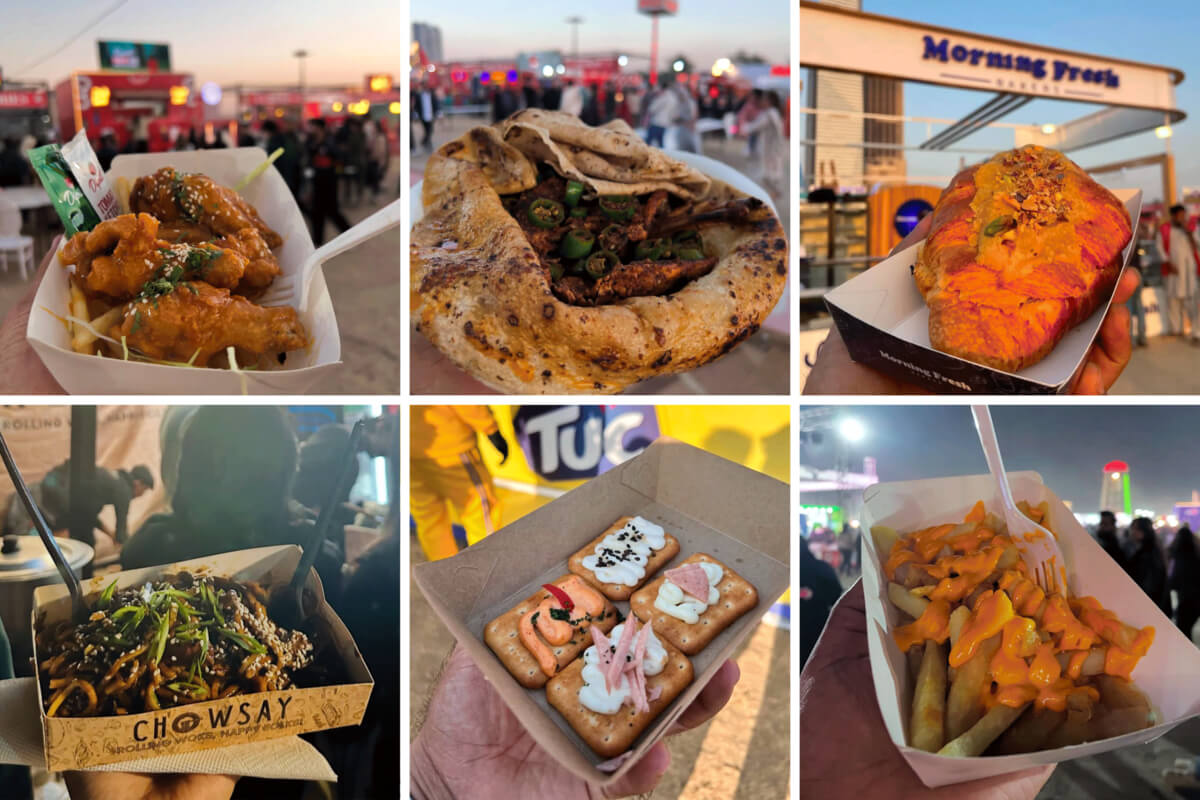
Brands That Used Stalls as Marketing Tools
What made Karachi Eat 2026 stand out wasn’t just the crowd; it was how brands understood the crowd. Each brand used the festival differently, but the goal was the same: visibility, connection, and content.
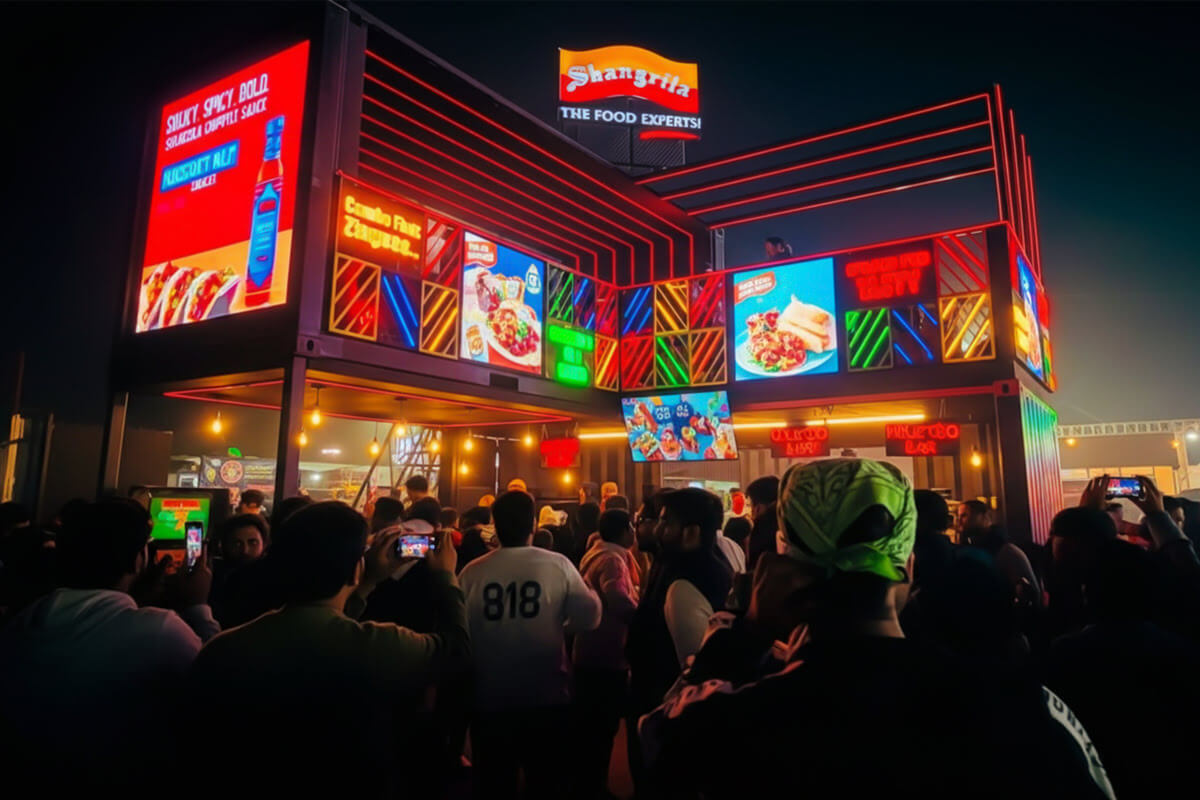
Shangrila
Shangrila used the event to stay relevant with a younger audience. Being present in a youth-heavy, content-driven space helped the brand stay visible without forcing promotions.
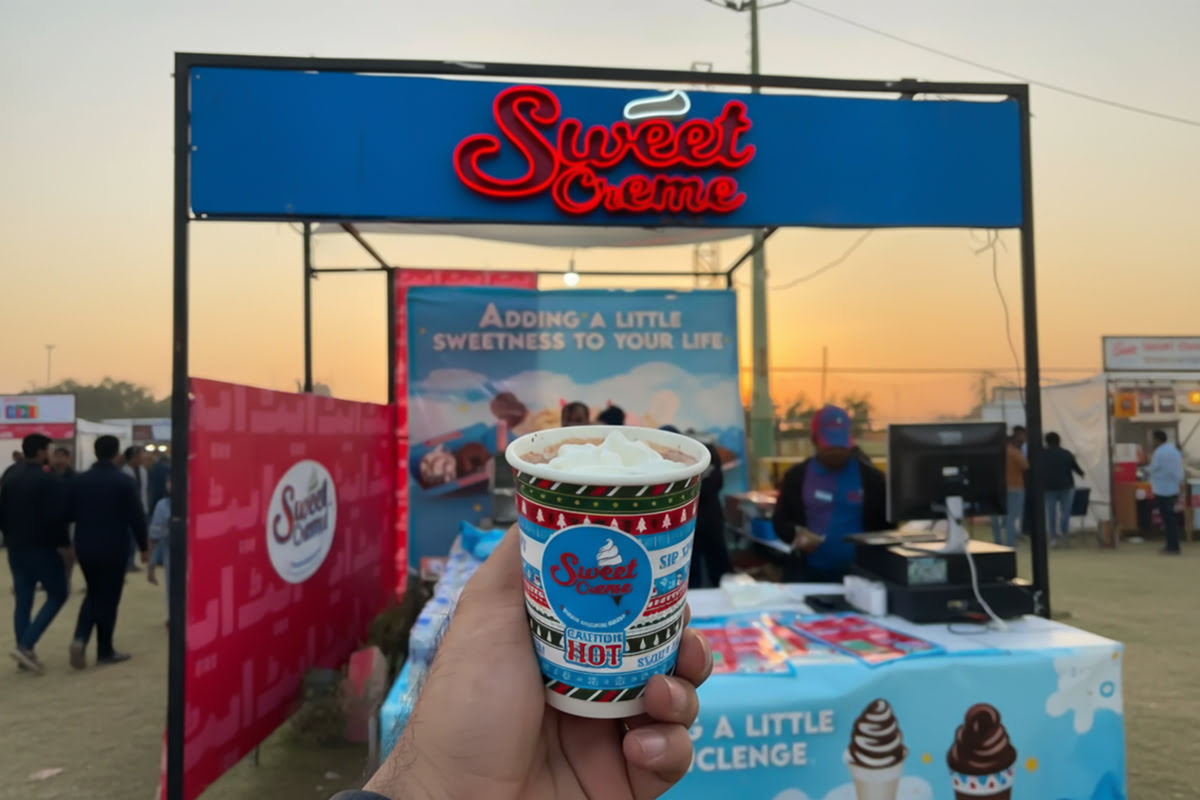
Sweet Creme
Sweet Crème made a strong presence at Karachi Eat 2026 by bringing its premium and specially curated menu to the festival. The brand focused on showcasing its signature flavors along with exclusive offerings designed especially for the event.
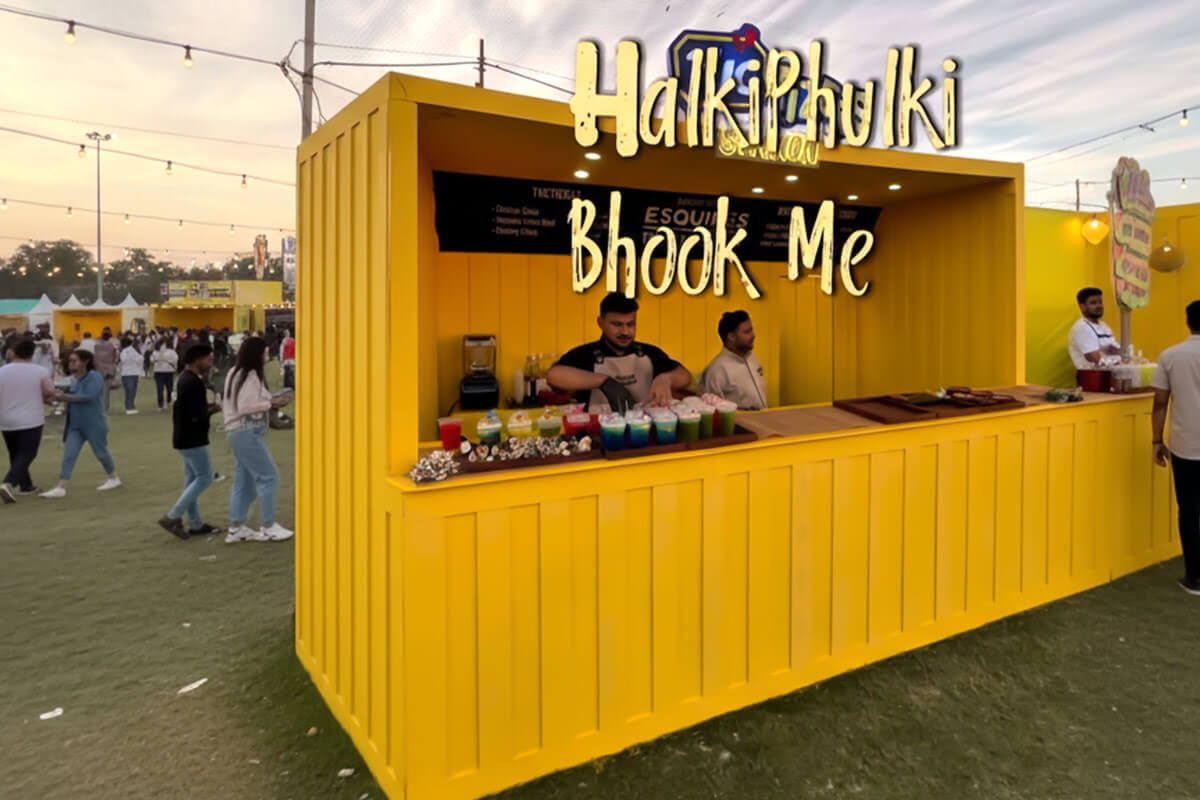
TUC
Tuc enjoyed instant brand visibility. People already knew the brand, so the stall became a quick grab-and-go stop. Sometimes marketing is simply being where your audience already is.
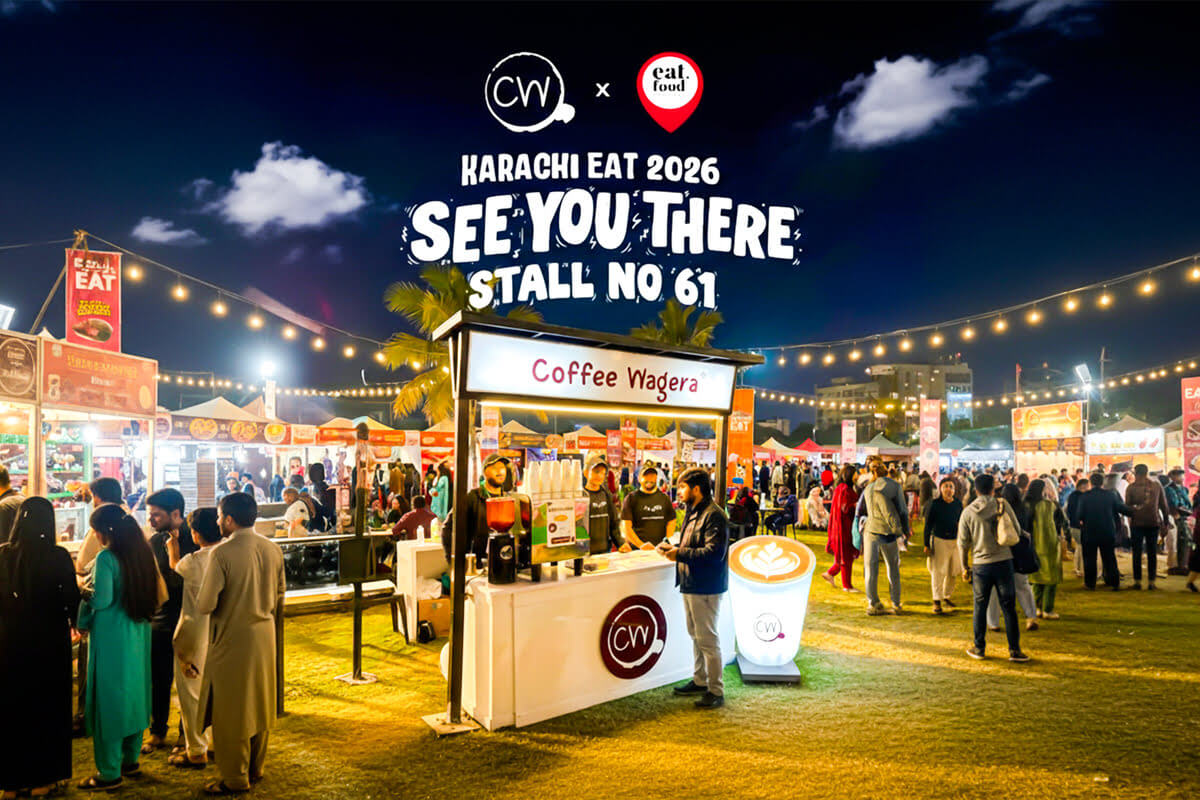
Coffee Wagera
Coffee Wagera played the comfort card. In the middle of all the noise, their stall felt familiar and reliable. Many visitors came back more than once, and repeat visits are one of the strongest forms of marketing. People didn’t just post coffee, they posted their routine.
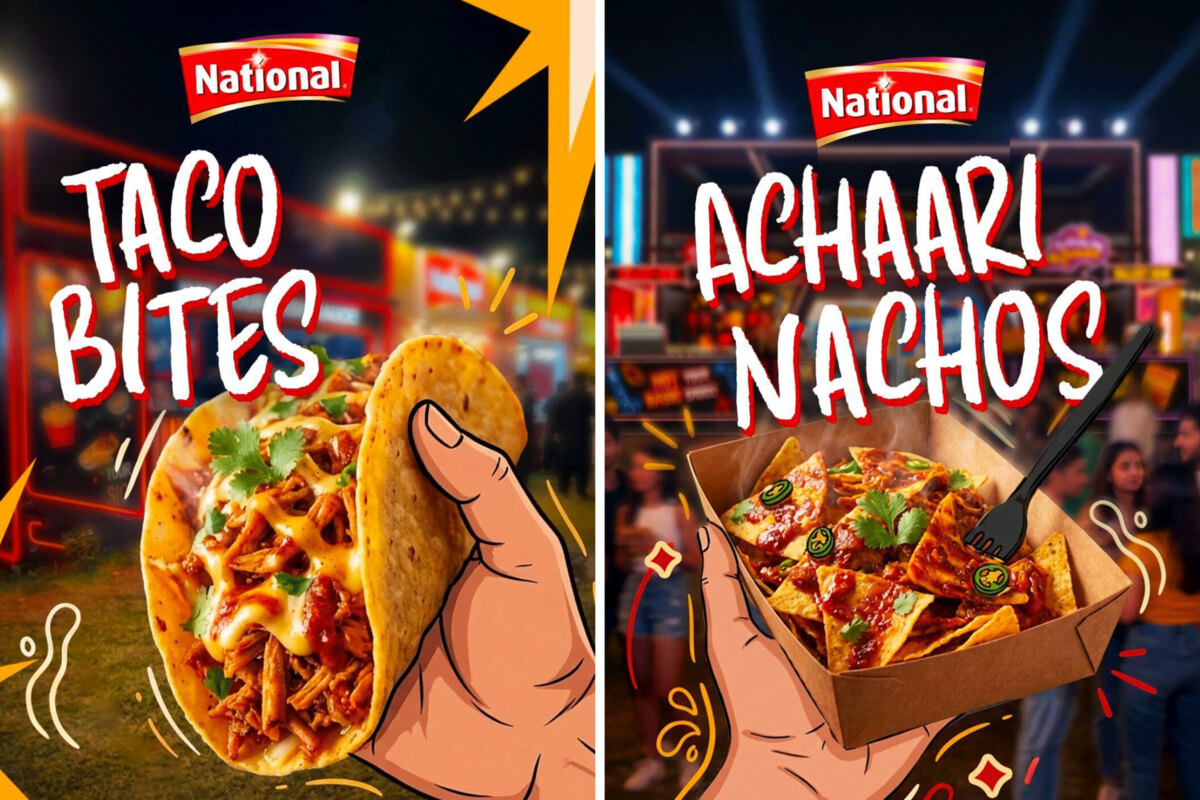
National Foods
The brand did not need to introduce itself. Instead, it focused on trust and presence. Their participation reminded people that Karachi Eat wasn’t just street food; it was backed by brands people already use at home. That credibility matters.
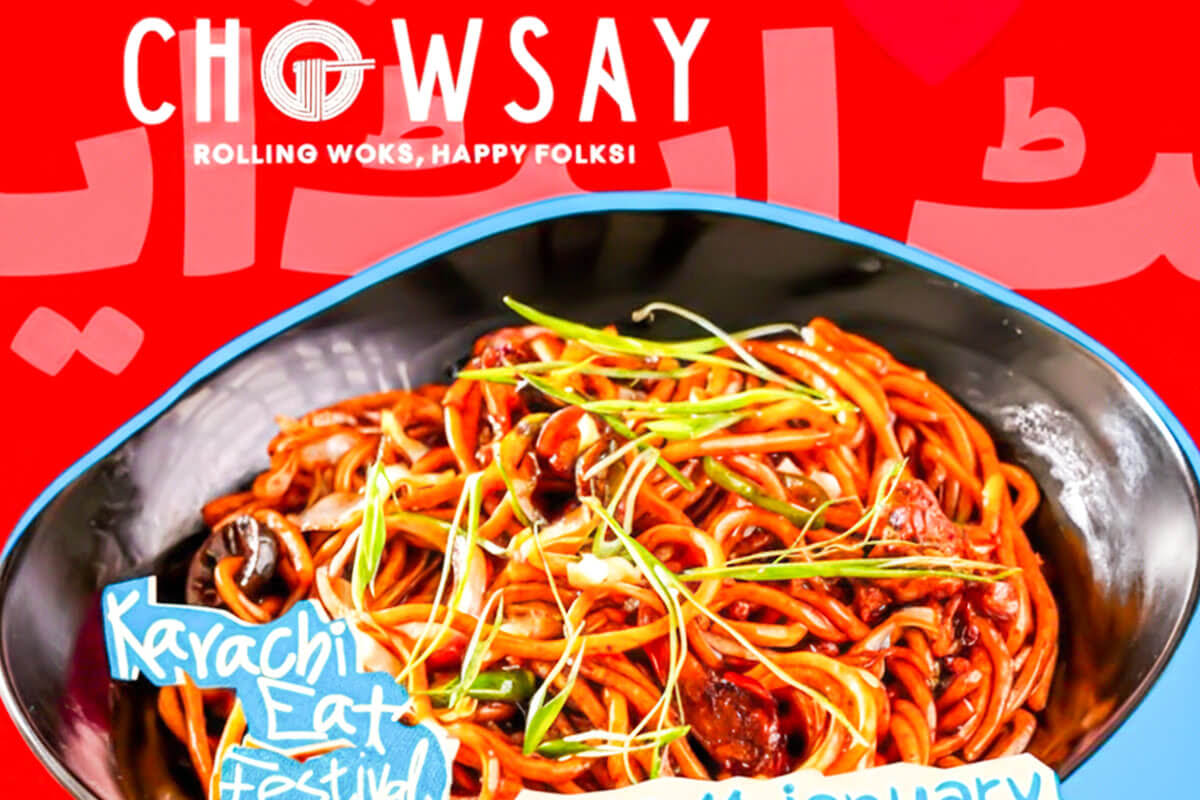
Chowsay
They focused on familiarity and speed. Their stall was always busy, which naturally created curiosity. Long queues worked in their favor; people photographed the crowd, tagged the brand, and turned waiting time into free promotion.
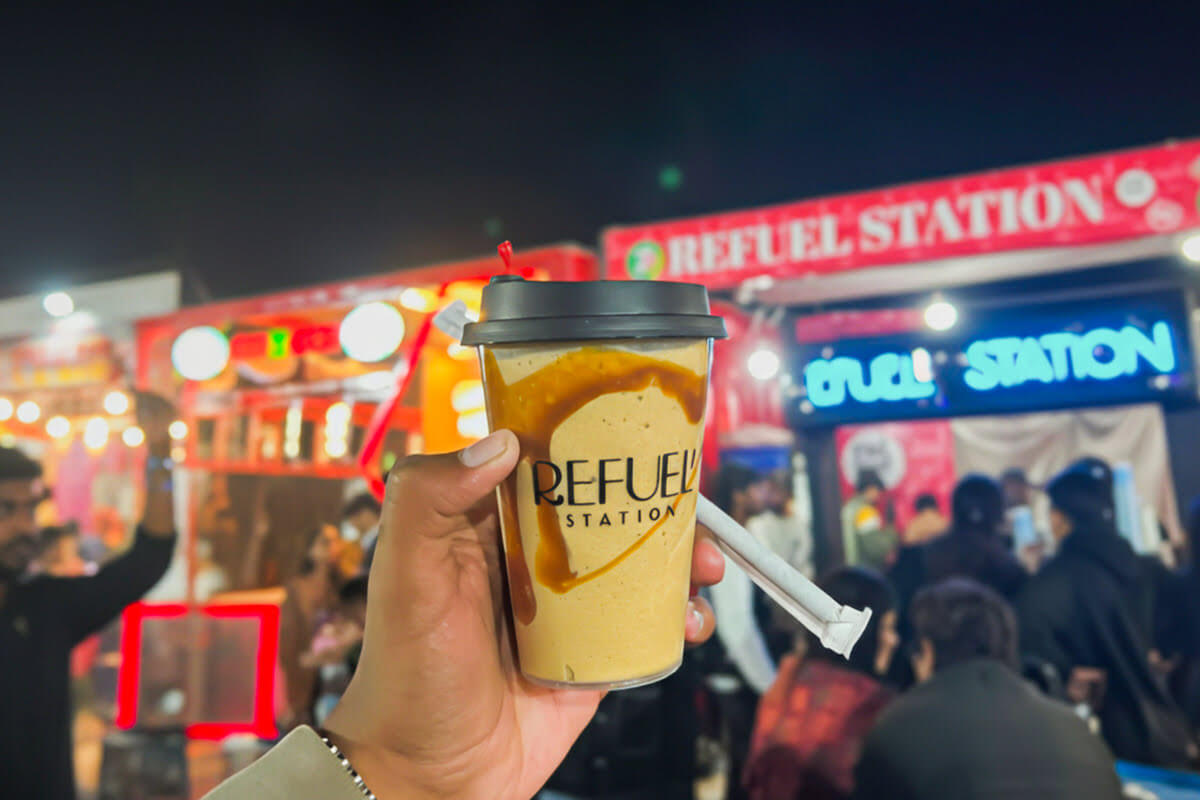
Refuel Station
Refuel Station positioned itself as an energy stop rather than just a food stall. Visitors came here to recharge, and that message worked well online. People tagged it as their “break” during the festival, subtly branding it as a must-stop spot.
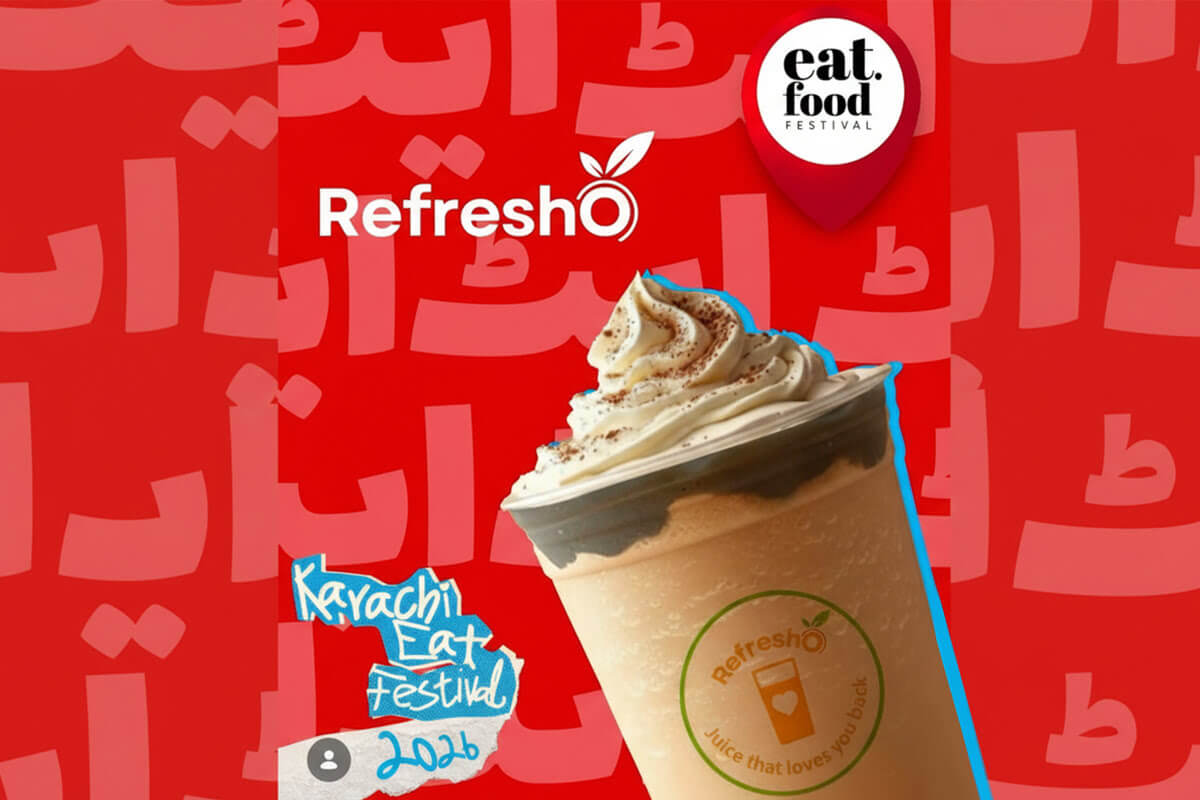
Refresho Juicebar
Refresho Juicebar understood refreshment marketing perfectly. In a crowded environment, its drinks became moments of relief. People naturally shared that experience, tagging the brand as part of their festival survival kit.
Together, these brands proved one thing: Karachi Eat 2026 wasn’t about pushing products; it was about creating moments people wanted to share.
Each stall became a mini digital campaign, powered by the audience itself.
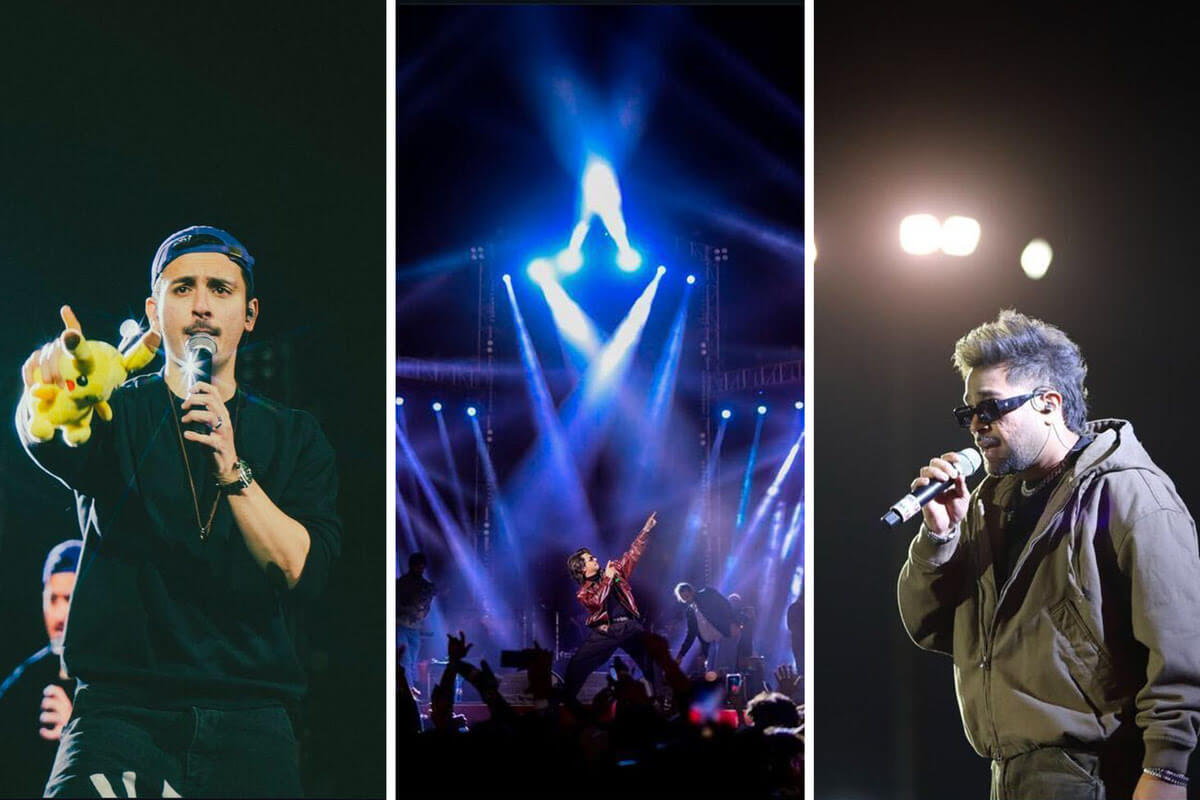
Who Brought the Energy to Karachi Eat 2026?
Walking through Karachi Eat 2026, one thing was clear: the festival wasn’t just about food. The music and performances were pulling people in, creating moments that were being captured, shared, and talked about long before the weekend ended.
Each performer had their own energy, fan following, and way of turning a crowd into an audience that was both engaged and promoting the festival online.
Aur - The Band
Day 1 began with the thrilling energy of Aur - The Band on the Main Stage. As soon as they started, people stopped in their tracks. Their mix of rock and soulful melodies created an instant vibe that had audience recording every beat.
Amjad Warsi
Simultaneously, Amjad Warsi brought a different energy. His smooth, soulful voice drew smaller clusters of listeners, creating intimate moments perfect for social sharing. Fans were snapping short clips, sharing them on stories, and tagging friends to catch this vibe.
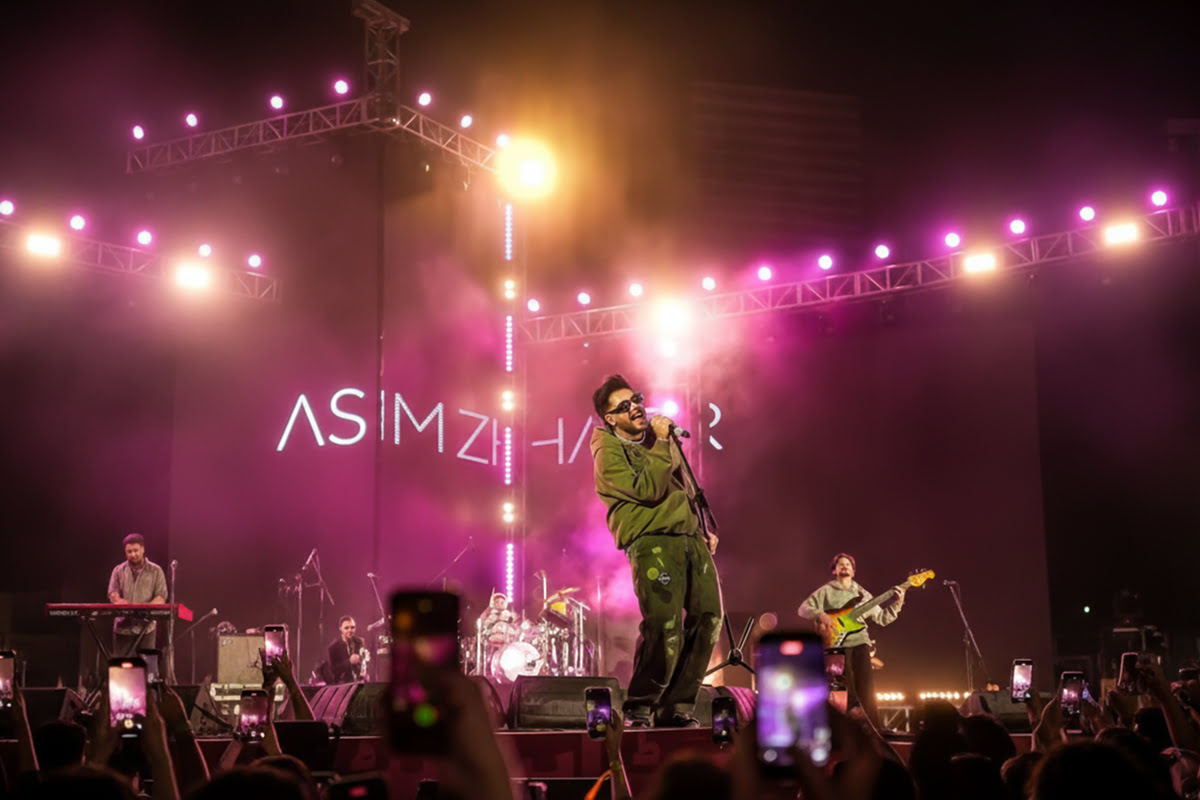
Asim Azhar
Day 2 exploded when Asim Azhar hit the stage. Phones went up, reels started rolling, and the crowd’s energy was contagious.
Asim didn’t just sing; he engaged with the audience, gesturing for sing-alongs, encouraging cheering, and even stopping for short interactions. Every reaction became content, every clip a natural promotion for Karachi Eat 2026.
By the end of his set, the festival was trending across social media, with thousands of followers reliving the moment digitally.
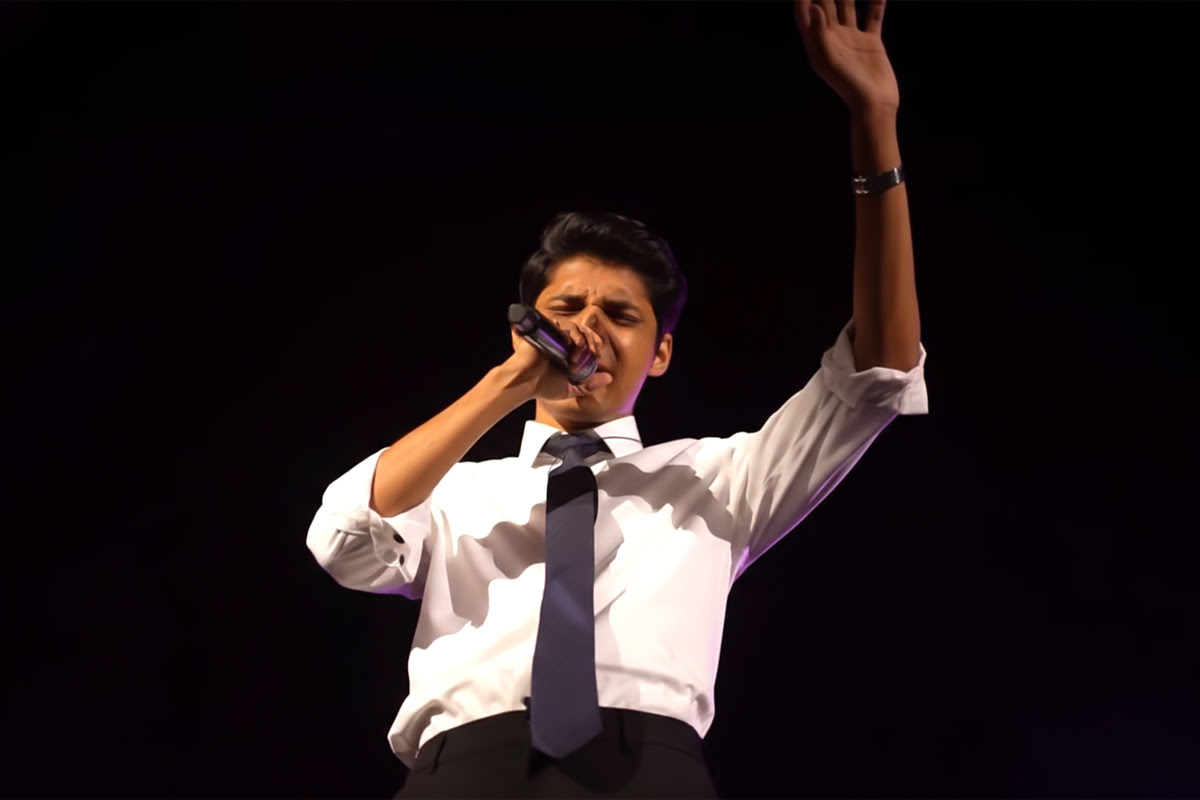
Havi
On the same day, at the National Foods Stage, Havi brought a contemporary, upbeat vibe that had smaller corners buzzing. Every song, crowd reaction, and interaction became online buzz.
Havi’s performance felt interactive, encouraging the audience to post their own content and tag both the festival and the artist, naturally boosting Karachi Eat’s online presence.
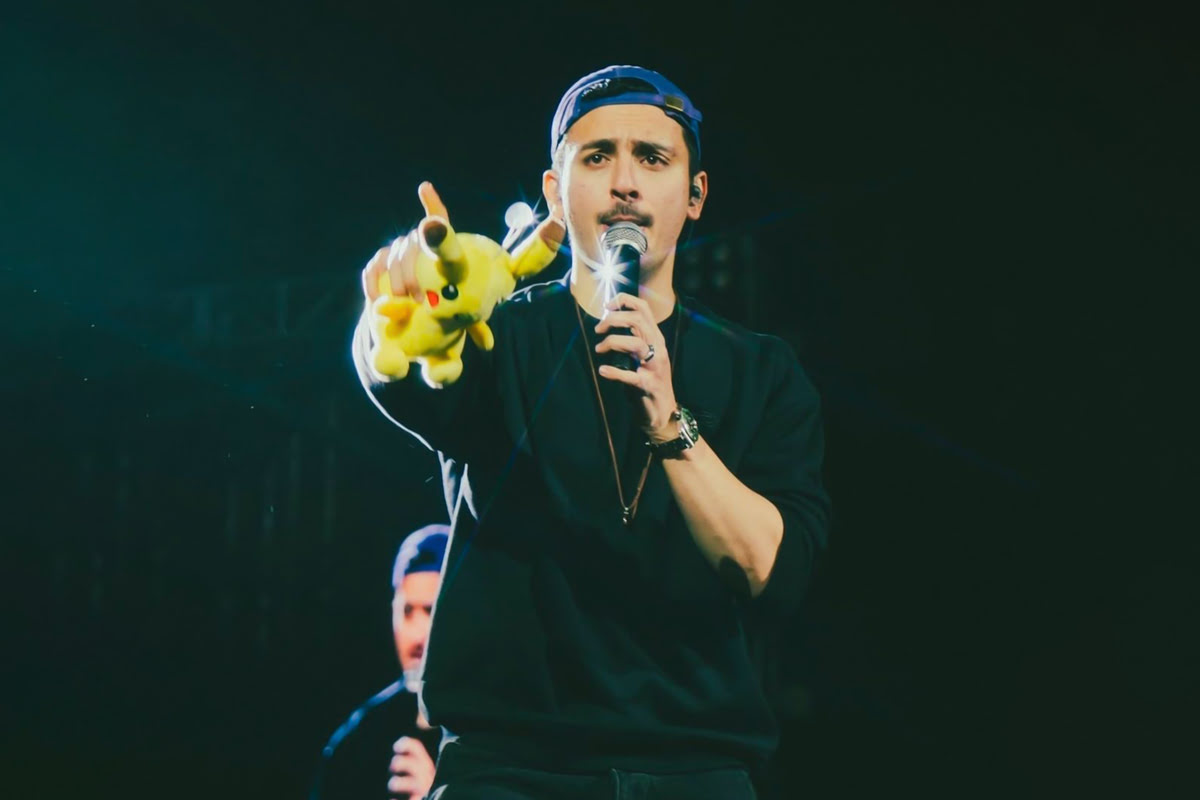
Hasan Raheem
The 3rd day reached its peak energy with Hasan Raheem on the Main Stage. His unique style and massive fan following meant that the crowd was instantly captivated. Every song became a shared moment; stories, reels, and posts flooded social media.
Ali Tariq
Meanwhile, at the Food Court Stage, Ali Tariq added smooth, soulful energy that complemented the Main Stage. His engaging performance insisted people recording mini-videos, sharing highlights on Instagram, and tagging the festival. Fans were drawn not only by his music but by the overall vibe; every clap, cheer, and shout became part of the festival’s organic promotion.
Ahmed Godil
Finally, Ahmed Godil as the host and performer at the Fogg stage tied everything together. Moving between stages, interacting with other performers, and hyping up the crowd, he made each act more memorable. Every interaction, joke, and shout-out turned into social media moments, helping the festival trend organically.
In essence, performers weren’t just entertaining; they were creating digital impressions, proving that live acts can be just as effective as any paid campaign.
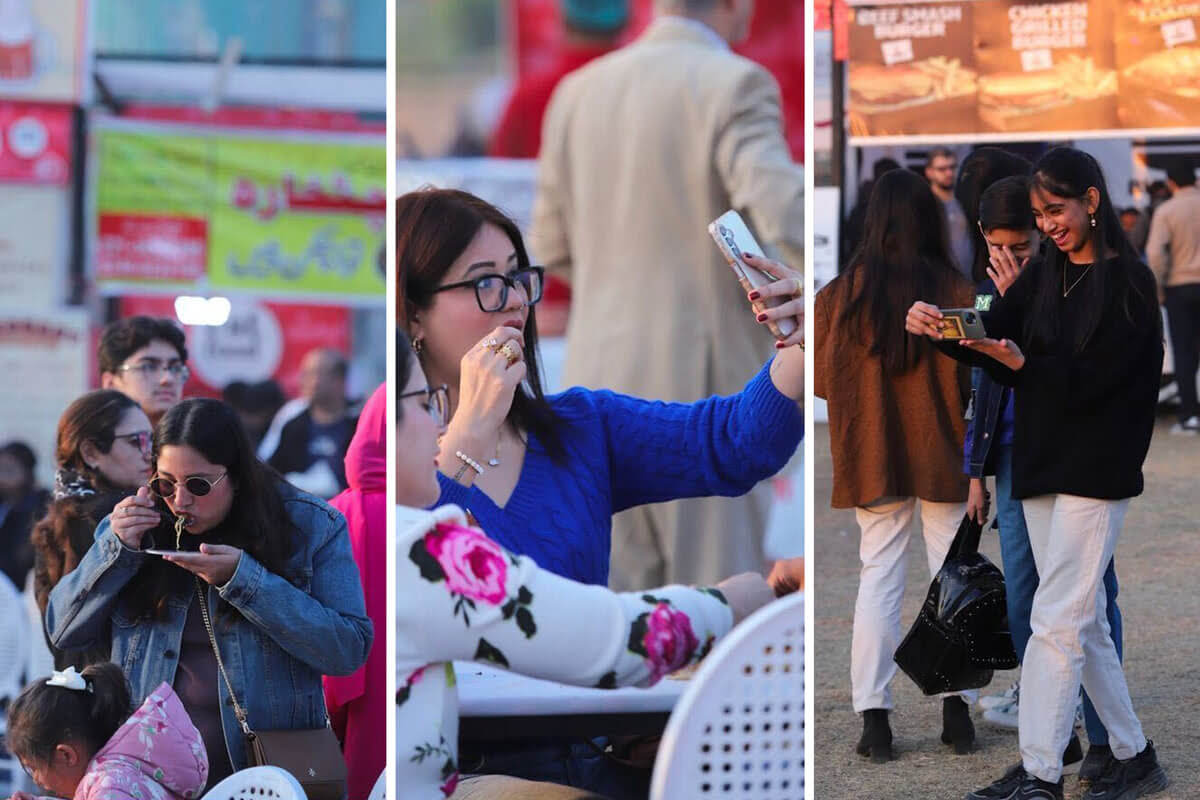
Influencers and Food Bloggers: The Unofficial Marketing Team
Influencers and food bloggers played a key role in boosting Karachi Eat 2026 online. They weren’t just documenting; they were sharing experiences that made the festival trend.
ItsHeerahere - Highlighting Trendy Spots
Heerahere focused on the visually striking elements of the festival. From colorful desserts to creative stall displays, she captured moments that looked great on feeds. Her storytelling made followers feel like they were part of the experience, and her posts naturally drew attention to the festival and the featured brands.
Obaid_Says - Festival Experience Curator
Obaid_Says brought his engaging, relatable content to Karachi Eat 2026. He captured the festival’s vibe, highlighting stalls like National Foods, Joy Artisan, Hey Day and Kunafa and More, while sharing stories and posts that showcased the energy, fun, and experiences of the event. His approachable style helped make the festival feel authentic and shareable to his audience.
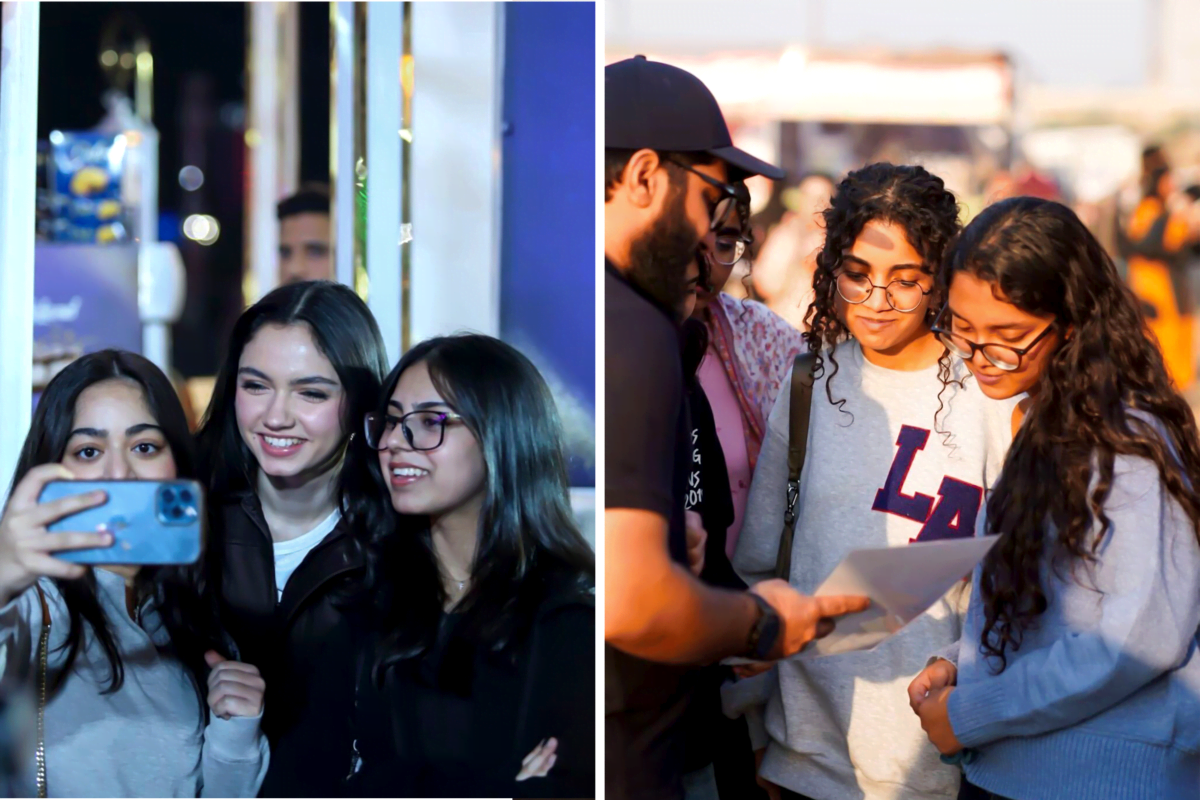
Sairathefoodie - Bringing the Taste to Life
She focused on the culinary experience, moving from stall to stall to highlight signature dishes. Her stories and reels made each bite look irresistible, turning her audience into festival-goers. Followers trusted her recommendations, giving extra visibility to brands like National Foods, Kunafa and More, Chowsay, and Coffee Wagera.
Sugarrhaven - Sweet Moments and Viral Content
Sugarrhaven focused on the festival’s dessert and sweet stalls. Her content was visually appealing, fun, and highly shareable, making followers crave the dishes she featured. By highlighting desserts in motion, dripping chocolate, pulled Kunafa, frothy drinks, she turned the festival into a visual feast online.
Through food bloggers and influencer marketing, the festival turned into a digital experience, making every moment worth sharing and expanding the festival’s reach far beyond the physical venue.
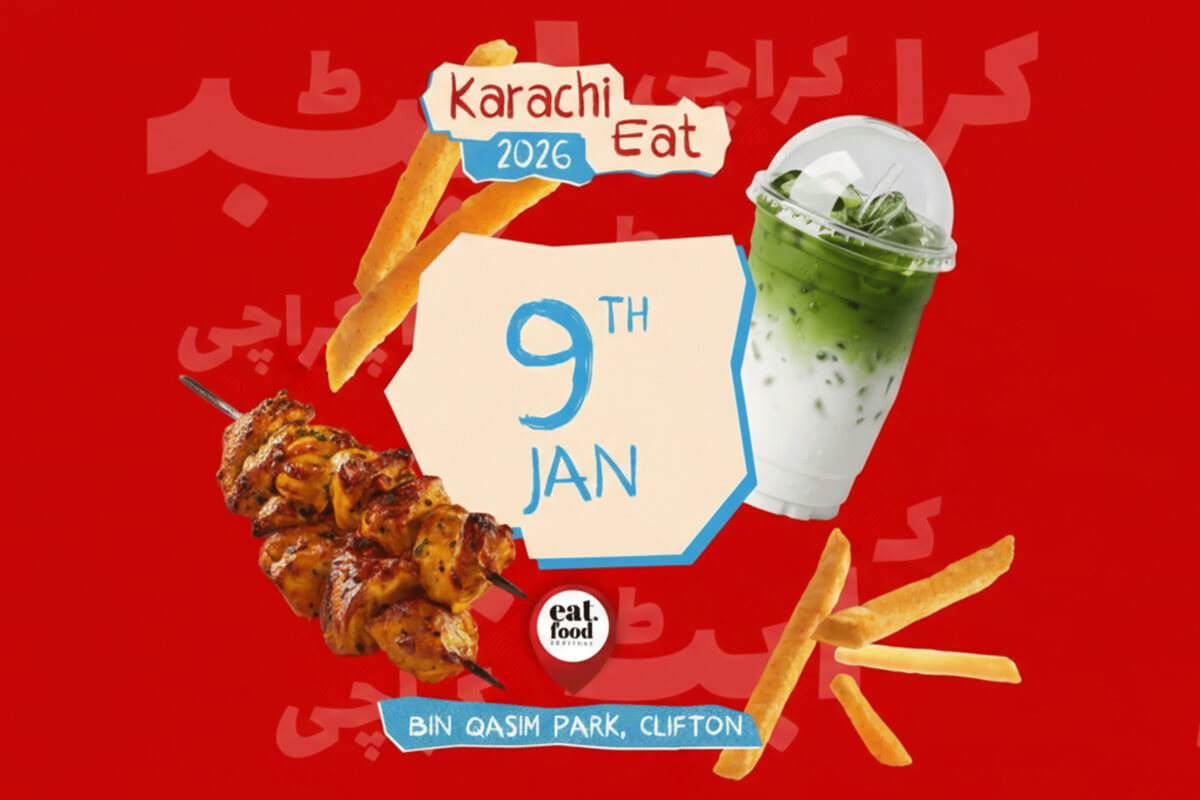
Day 1: The Buzz Begins
Day 1 was pure energy. Crowds poured in from early morning, and every stall had people lining up. Chowsay, Coffee Wagera, Momos and Khowsay, MAD Heat, Jani Biryani, and other brands set the tone, creating photo-ready moments that visitors couldn’t wait to share. Influencers were already posting stories, while music from Aur - The Band and Amjad Warsi added excitement.
By the end of the first day, Karachi Eat was no longer just a festival; it was a trending topic across social platforms, driven by user-generated content.
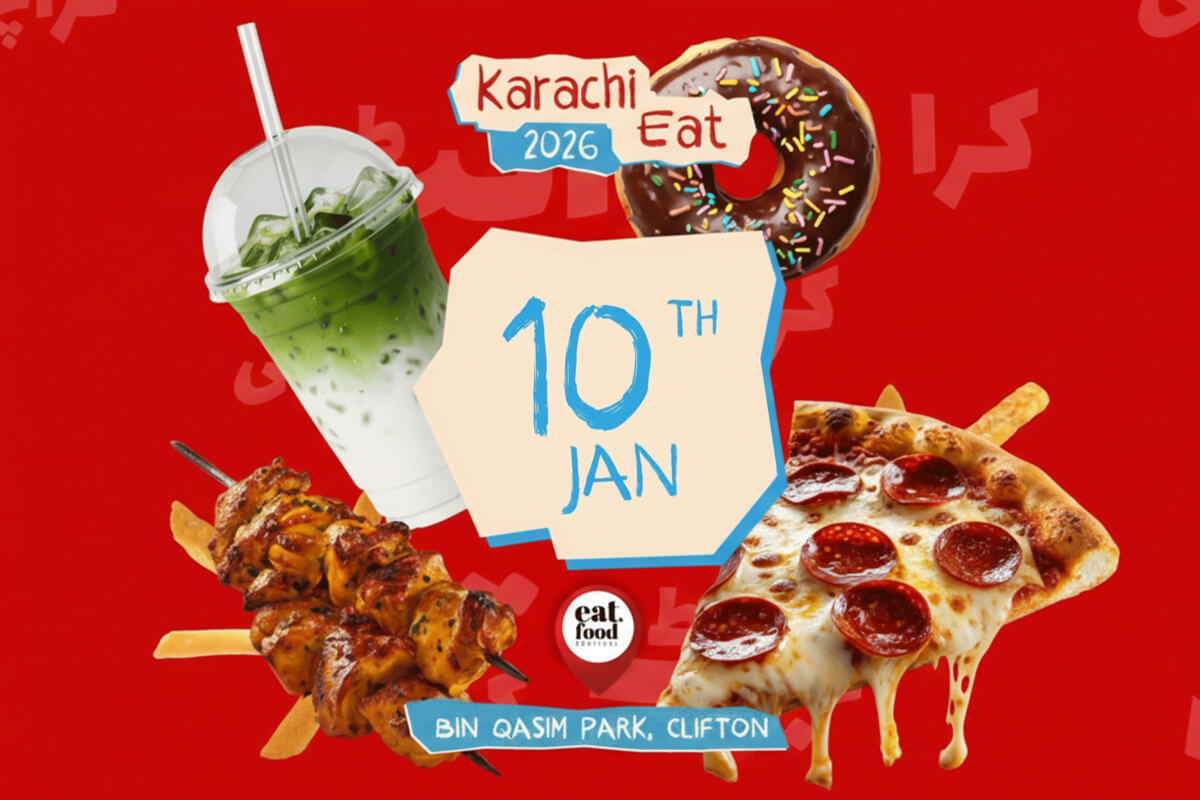
Day 2: The Buzz Grows
Day 2 felt more confident. People returned for their favorites while the energy grew with performances by Asim Azhar and Havi. Influencers shared content, brands reposted stories in real-time, and the crowd engagement was seamless.
The digital impact was clear: this wasn’t one-day hype. The festival had momentum, and every photo, reel, and story reinforced it.
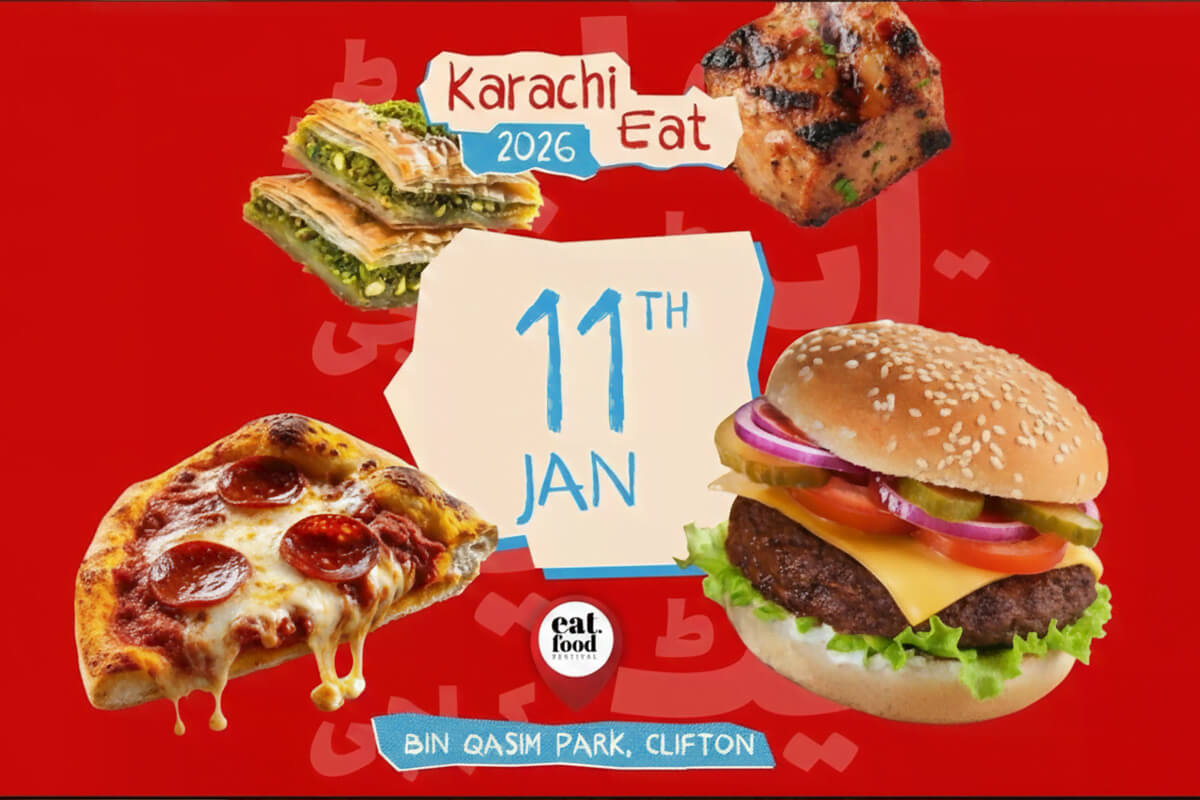
Day 3: The Grand Finale
The final day brought the biggest crowd. Visitors revisited stalls, took last photos, and shared “final day” stories. Music by Hasan Raheem and Ali Tariq, along with Ahmed Godil’s hosting, kept the festival flowing smoothly.
Other performers and DJs like Rafay Israr, Imran Ali, DJ Nixon and Abdur Rehman Sajid ensured energy never dipped, and influencers were capturing it all. By the end of Day 3, Karachi Eat 2026 had created a digital echo, leaving people talking online long after the weekend.
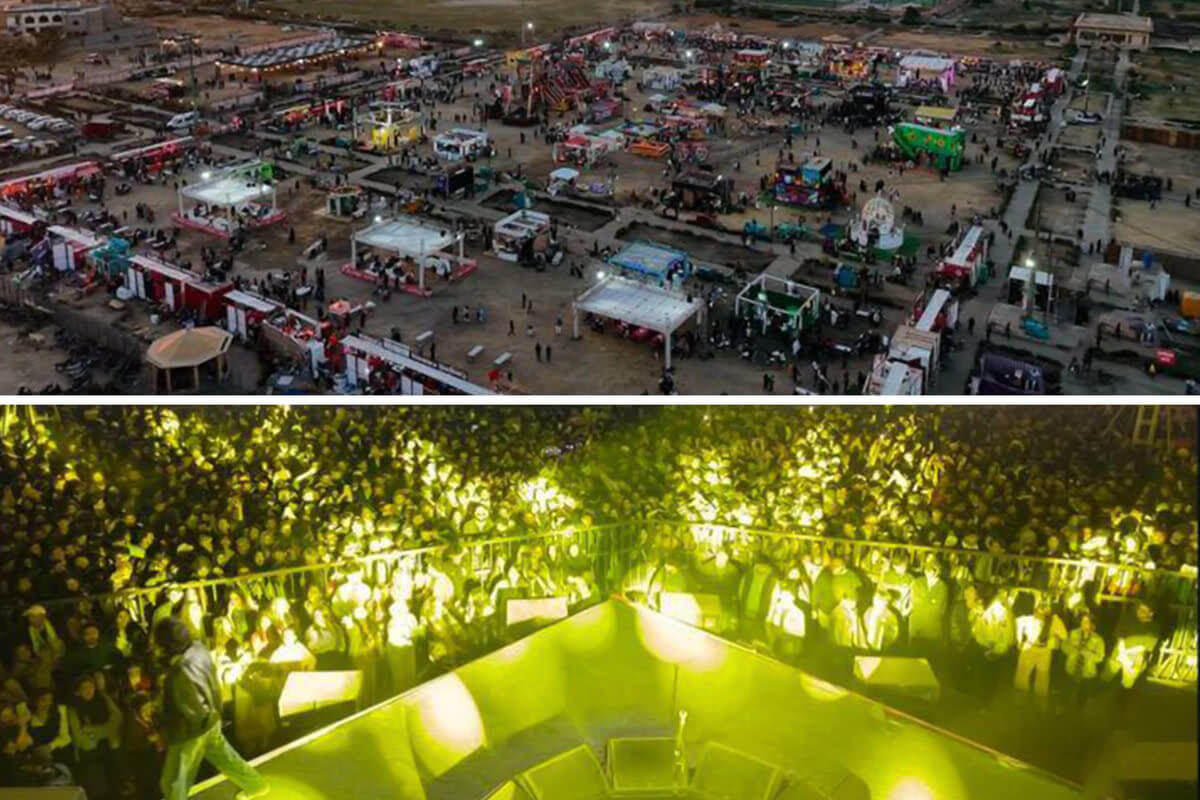
Why Karachi Eat 2026 Was a Great Marketing Example
Karachi Eat 2026 proved that marketing isn’t always about ads. It’s about experience, authenticity, and sharing experiences.
- Brands set up snap-worthy moments
- Performers provided content that felt organic
- Influencers amplified every experience
- The crowd became a natural marketing channel
Every plate, song, and story contributed to a living, breathing marketing campaign; one that didn’t feel forced because it felt real.
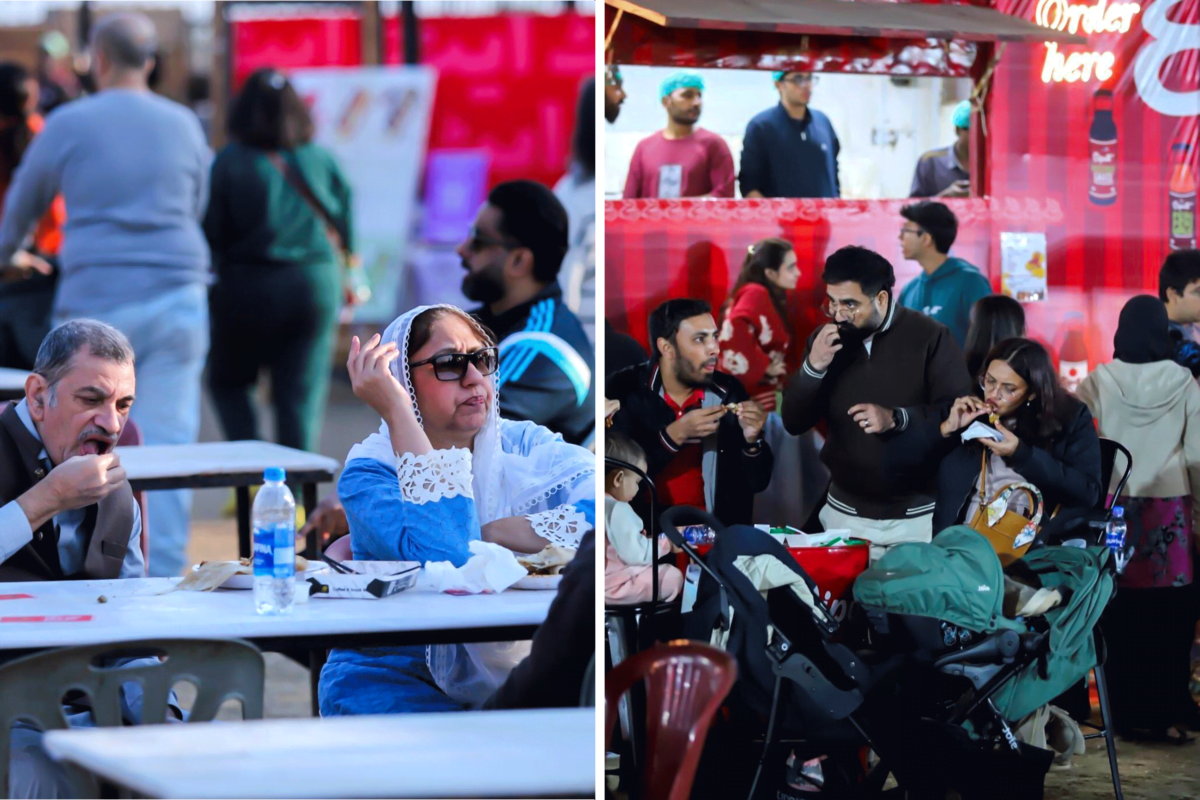
From Festival to Digital Phenomenon
Karachi Eat 2026 wasn’t just a food festival; it was a digital promotion and online branding for food brands. Brands, concerts, influencer performances, and the audience chaos worked together to create moments worth sharing.
When people enjoy something enough to post it themselves, you don’t need to market it, it markets itself. And that’s exactly what happened here. The festival didn’t end when the lights went off; it lived on in stories, reels, and conversations long after the weekend.
Karachi Eat 2026 showed that the best campaigns aren’t always planned on a screen. Sometimes, they happen in real life, one delicious, shared moment at a time.
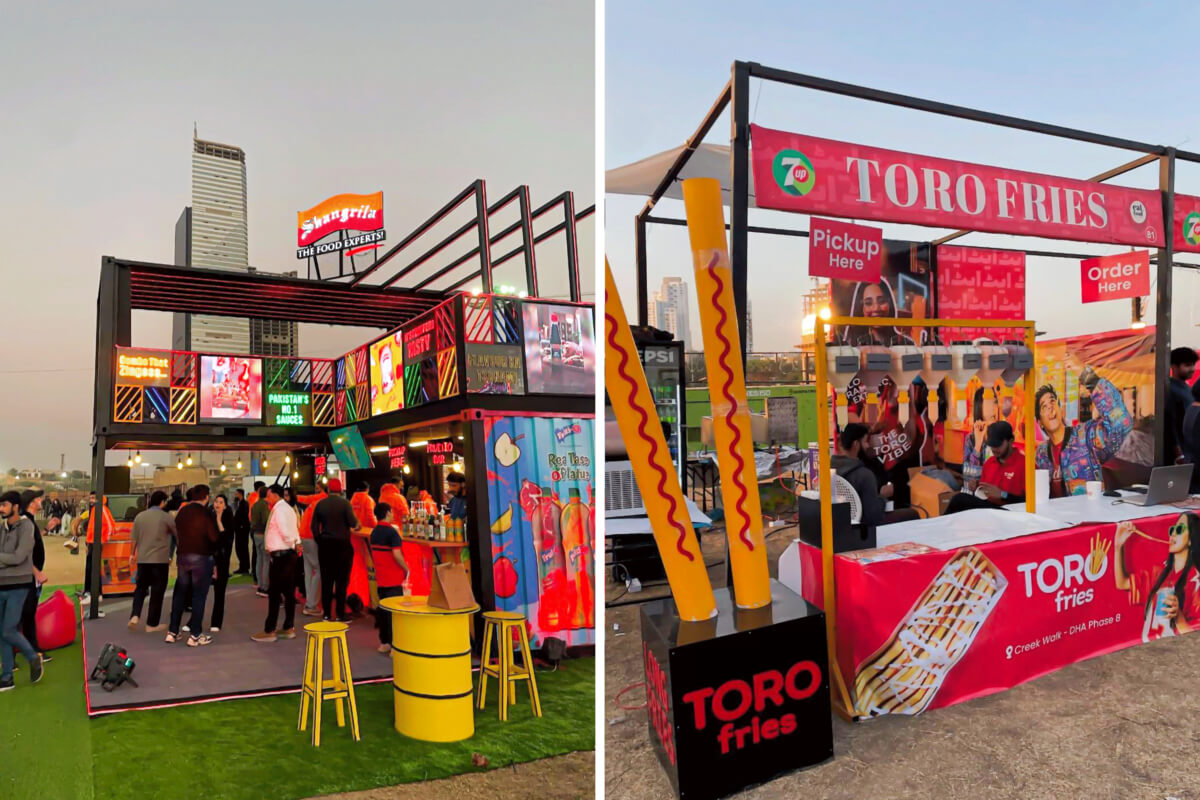
Turn Your Events into Marketing Campaigns with artxpro
Karachi Eat 2026 proved how events can become a powerful marketing strategy for food brands. With the right approach, your brand can create shareable moments that engage audiences online.
artxpro, a top digital marketing agency in Pakistan, helps brands transform experiences into content that resonates, spreads, and leaves a lasting impression. So next time you’re planning to participate in an event, partner with us and let artxpro handle your influencer marketing, social media, UGC, and branding.
Digital Marketing Specialist
With a solid 12+ year background in digital marketing, Danyal delivers blogs packed with timely insights, useful tips, and impactful stories. His writing style is engaging, informative, and always rooted in real-world value for businesses and readers. From breaking down SEO strategies to exploring ecommerce trends and keeping tabs on what’s going viral online, he keeps it fresh, fun, and totally binge-worthy. If it’s worth knowing in the digital world, Danyal’s already writing about it.

An award-winning digital marketing agency dedicated to delivering effective solutions that ensure your success in the age of digital channels, screens, and trends.