


The Power of Personalization in Driving Customer Engagement
Are you sure your personalized marketing actually connects with your audience?
In 2026, understanding user behavior isn’t optional, it’s everything. Because today, if your message doesn’t feel instantly relevant, it gets ignored. No second chances. Just a scroll.
Think about your own behavior.
- You open YouTube and instantly find something you want to watch.
- Spotify seems to understand your mood.
- Foodpanda shows you the perfect deal right when you’re hungry.
That’s not just smart marketing, that’s personalization done right.
And today, it’s the difference between being seen and being skipped.
Why Personalized Marketing Is No Longer Optional?
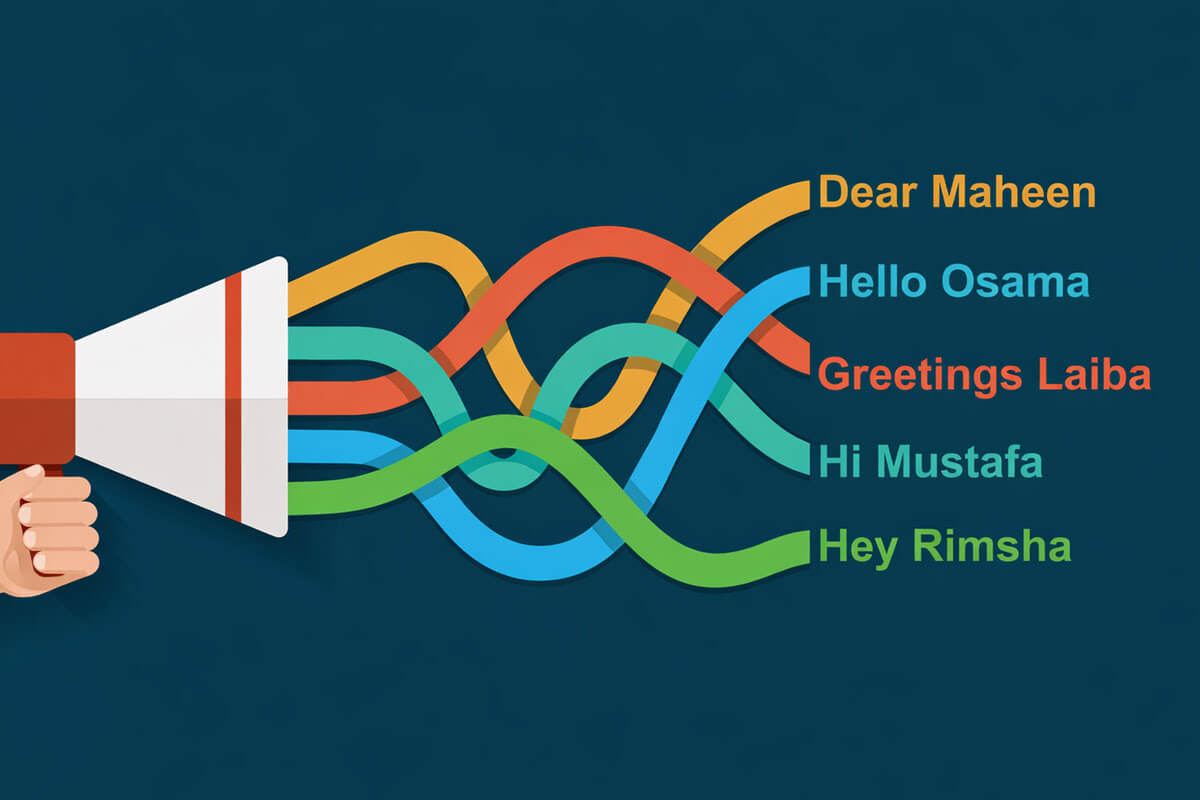
Here’s what’s changed: People don’t have the time or patience for irrelevant content anymore. In today’s digital environment, attention is expensive, and relevance is what earns it.
By observing digital marketing campaign data and ongoing optimization work, we’ve seen that:
- Generic ads get ignored
- Broad messaging gets skipped
- One-size-fits-all campaigns don’t convert
The data backs this up as well. A report from McKinsey & Company found that
71% of people now expect personalized interactions from the brands they engage with, and when that expectation isn’t met, 76% don’t just notice, they feel frustrated.
(Source: Forbes Council)
So, what works instead?
Targeted messaging that feels relevant in the moment, and that’s exactly where personalized campaigns outperform everything else.
What Makes Personalized Campaigns Actually Work?
The difference isn’t tools, it’s the approach. High-performing campaigns are built around intent, behavior, and timing. By 2026, it’s clear who’s really tuning in to personalized messaging:
81% of Gen Z say they actually like ads that feel personal, and even 57% of Millennials are on board.
(Source: involve.me)
It’s proof that when you get personalization right, people don’t just notice it, they appreciate it.
1. Intent-Based Personalization
Personalization starts with understanding why someone interacts with your brand, and Careem understood it very well.
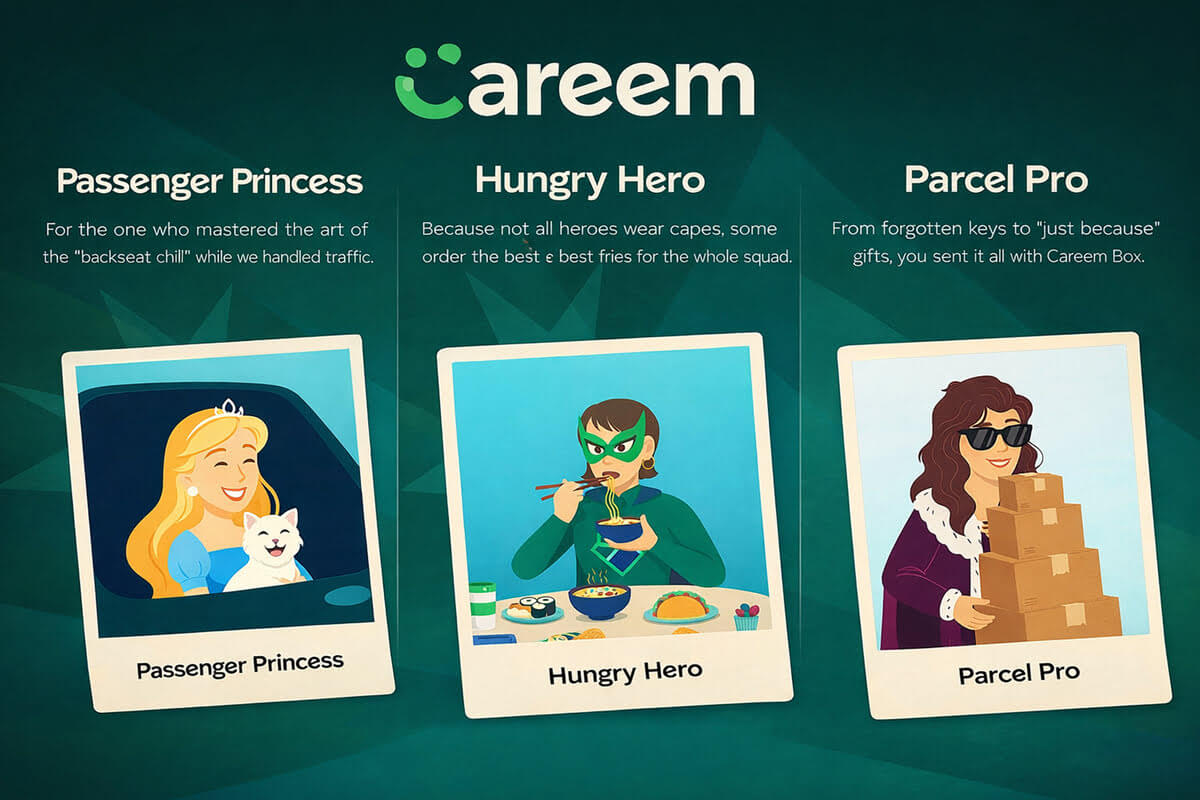
In 2025, it introduced Careem Moments, its first-ever annual recap for its customers. With this feature, instead of just tracking rides, Careem analyzes app usage to reveal each user’s unique persona, like
- Passenger Princess
- Hungry Hero
- Parcel Pro
These moments aren’t just fun labels; they represent real behavior patterns and preferences.
The result? Users felt like Careem truly understands their habits and needs, not just their basic profile.
So, when you align campaigns with user intent, engagement increases dramatically.
2. Behavioral Data Over Assumptions
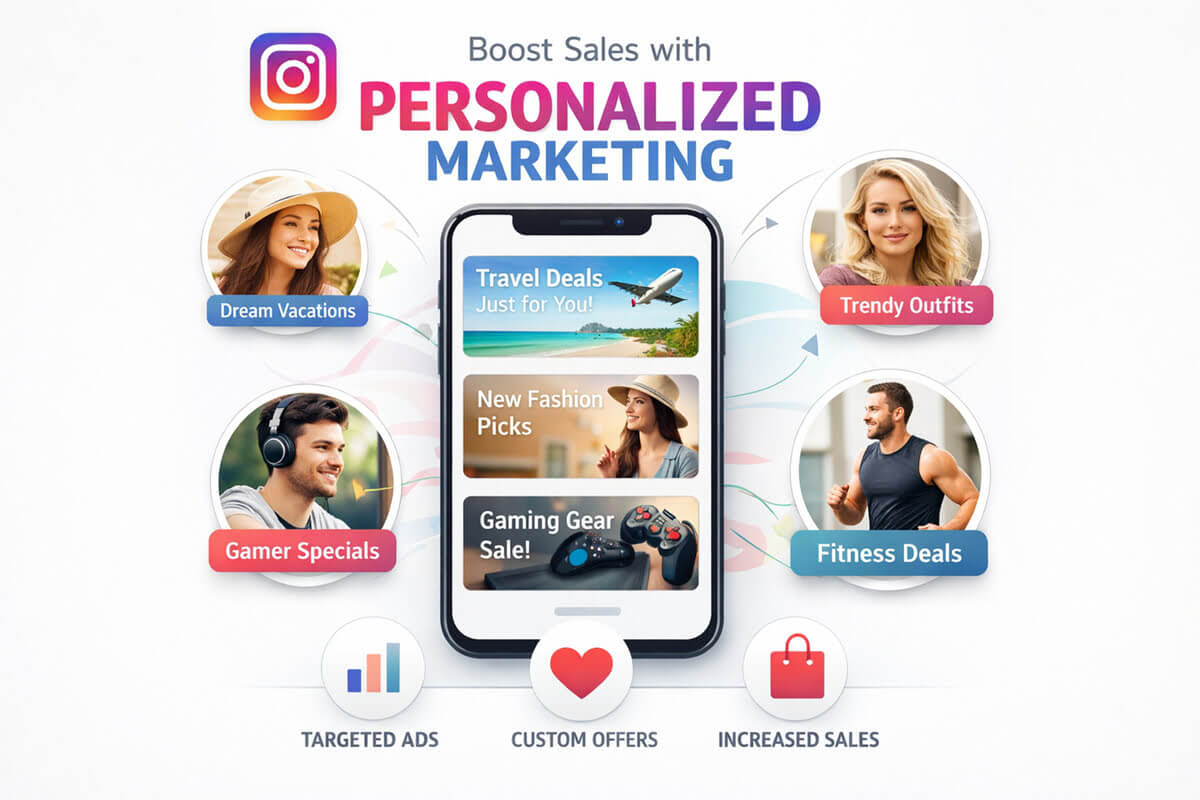
Here, Instagram plays very well. It doesn’t sit there guessing who you are. It pays attention to what you actually do.
- What do you watch a little longer?
- What do you replay?
- What do you skip without a second thought?
And suddenly, your Reels feed starts to feel oddly spot on.
The more you engage, the more Instagram understands and the more it shows you exactly what you were already looking for (even if you didn’t realize it yet).
Notice how your own behavior drives what you see? That’s the level of personalization your brand can aim for.
3. Marketing Automation with Strategy
Automation without strategy is useless. Real automation is trigger-based, timely, and user-driven.
Think of JazzCash and Easypaisa. They send alerts and cashback offers based on user transaction patterns. A user who frequently pays utility bills via the app receives reminders and incentives automatically.
A study revealed that Consumers are 80% more likely to purchase from companies offering tailored experiences.
(Source: demandsage)
It means automation should enhance relevance, not just increase volume.
4. Context and Timing as Multipliers
From campaign performance data, timing alone can significantly impact results.
To understand this, Foodpanda is the best example. Its promotions align with user behavior like meal time, location, and habits. They adapt messaging to the real-world context.
Notifications like:
- Feeling hungry? Order your favorite Biryani from Student Biryani and get 10% off!
- It’s rainy and cold outside! How about some hot Soup to warm you up?
These messages tap on the customers directly, and the result is higher conversion with minimal friction.
5. Emotional and Value-Based Personalization
Sometimes, personalization isn’t about selling; it’s about making people feel understood.
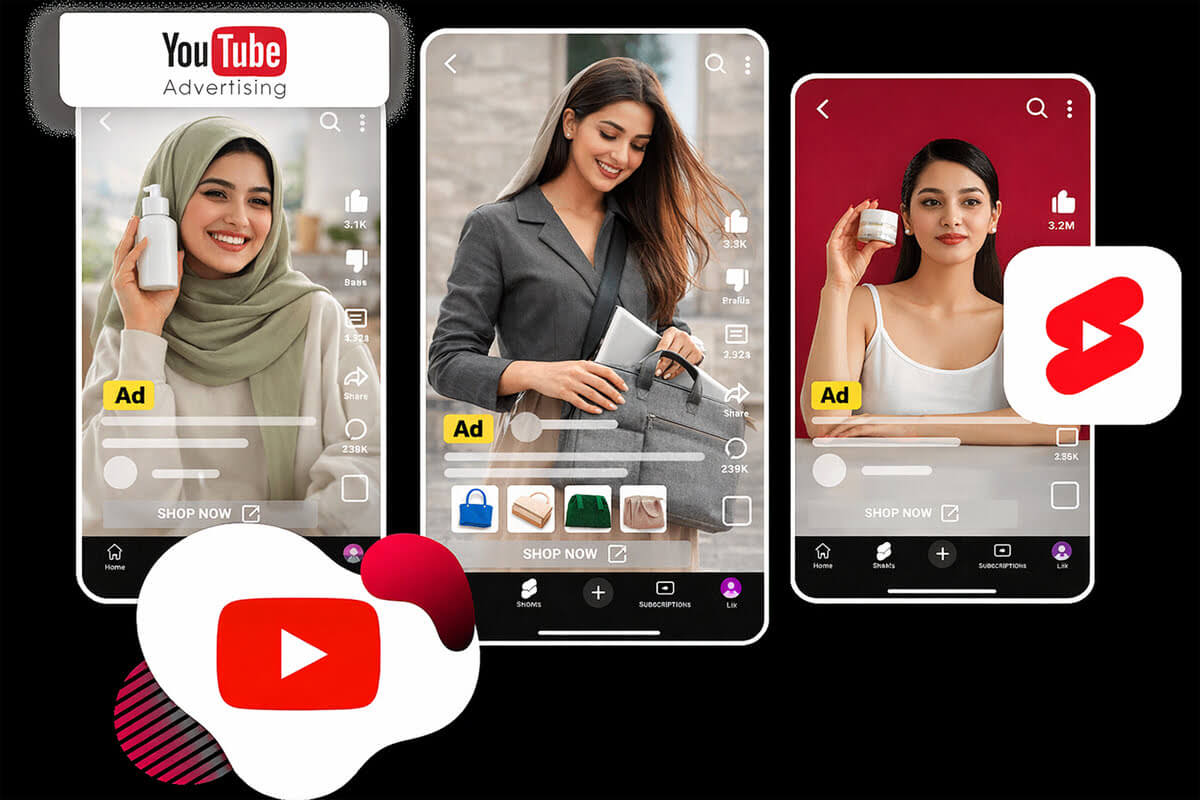
Take YouTube, for example. Every time you open the app, it’s almost like it knows what you’re in the mood for. Whether it’s a short tutorial or a trending video, the recommended videos feel handpicked for you.
That’s not magic; that’s smart personalization built on watch history, engagement patterns, and subtle user behavior signals.
You don’t feel like YouTube is pushing content at you; you feel like it’s helping you discover exactly what you want to see.
Where Most Brands Lose Momentum
From our experience, these mistakes keep brands from fully benefiting from personalized campaigns:
- Over-relying on retargeting without variation
- Sending the same message to everyone
- Ignoring user journey stages
- Using automation without behavioral logic
The result? Lower customer engagement and weaker brand reputation.
AI And The Future of Personalization
Personalization in 2026 isn’t just about knowing a name or segment; it’s about anticipating needs, delivering the right message at the right moment, and doing it at scale, and AI is what makes that possible.
Over 95% of customer interactions are expected to be AI-powered.
(Source: Demandsage)
With this change, it’s clear that machine learning isn’t the future; it’s the present. Consumers notice the difference, too:
More than 70% now consider personalized experiences a basic expectation
(source: MoEngage),
which means AI isn’t just a tool for efficiency, it’s the engine that keeps your marketing relevant, timely, and human-feeling, even when it’s powered by algorithms.
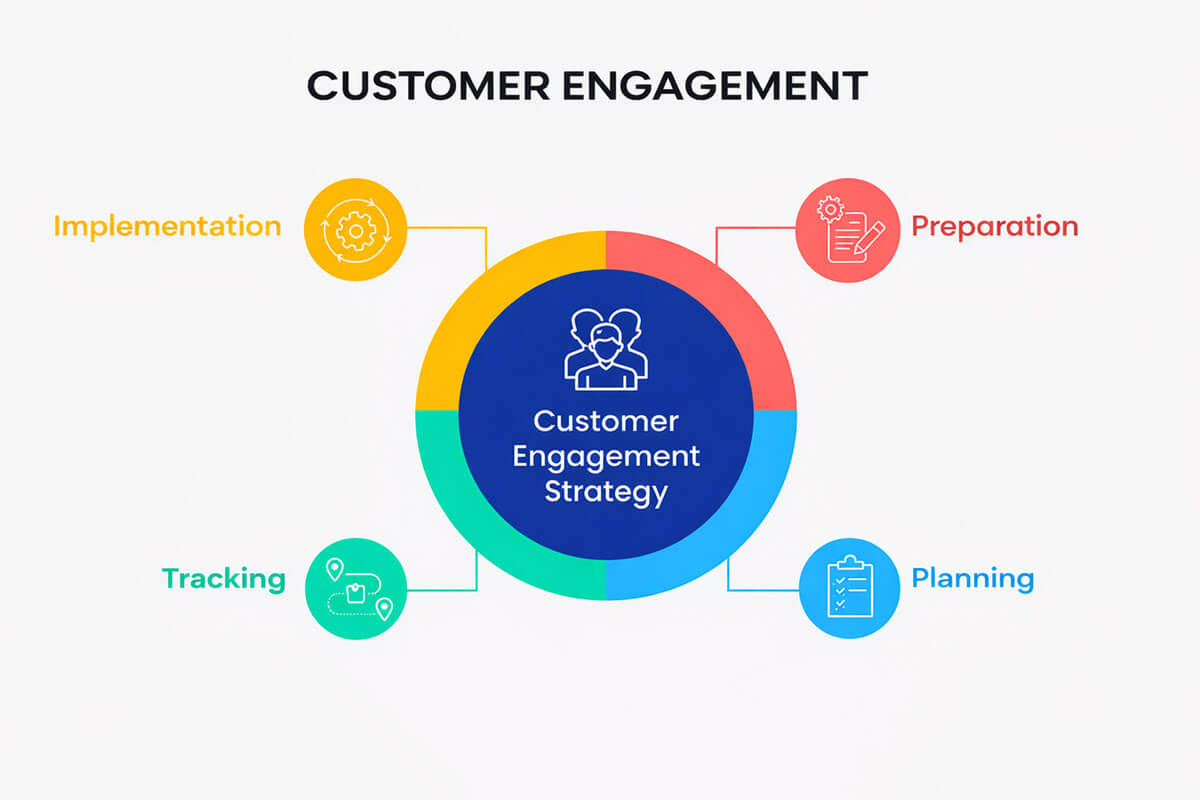
Customer Engagement Strategies That Deliver Results
Start with Where Your Audience Is (Not Just Who They Are)
It begins with understanding where someone is in their journey.
Are they discovering you? Considering you? Ready to act?
Because a first-time visitor and a ready-to-buy customer shouldn’t get the same message, and yet they often do.
Speak to Real Situations, Not Broad Audiences
The best performing content doesn’t try to say everything to everyone. It speaks to a moment.
A specific situation. A need. A question someone already has in their head. That’s when content stops feeling like marketing and starts feeling useful.
Let Behavior Lead the Way
Clicks, pauses, scrolls, repeat visits, these aren’t just numbers. They’re signals. Small, honest hints about what someone actually cares about.
The smartest brands don’t chase customers. They respond to what customers are already telling them.
Show Up at the Right Time
Even the right message can fall flat if it shows up at the wrong moment. The goal isn’t to push what the brand wants to say; it’s to meet what the customer needs right now.
Keep the Experience Connected
Consistency isn’t about repetition; it’s about flow. Your ads, emails, and social content shouldn’t feel like separate conversations; they should feel like a single, continuous experience.
Make It Work Beyond Just Ideas
When all of this comes together, something shifts. Your campaigns stop feeling like campaigns and start feeling like conversations people actually want to be part of.
That’s when personalization becomes more than a tactic; it becomes something you can scale, measure, and actually grow with.
How Artxpro Makes Personalization Work
All of this sounds compelling when you read it, but when it comes to actually applying it across real campaigns, real timelines, and real audience behavior, this is exactly the point where most brands begin to lose clarity and momentum.
With Artxpro, the best digital marketing agency in Pakistan, you don’t just get campaigns, you get a partner that builds systems designed to learn, adapt, and improve based on real user behavior.
And in practice, that often looks like:
- Turning scattered audience data into clear, intent-driven segments that actually guide decision-making
- Creating content that adapts to real user scenarios instead of relying on static messaging
- Building trigger-based journeys that respond dynamically to user behavior rather than fixed timelines
- Ensuring that every touchpoint, from ads to emails to social media, feels connected as part of one continuous experience
The result is marketing that doesn’t just reach people, it resonates, engages, and drives action. Let’s create experiences your audience actually wants to be part of.
The Bottom Line
Personalization isn’t just a trend; it’s the engine that drives meaningful engagement, loyalty, and revenue. Brands that understand their audience, respond to behavior, and deliver relevant experiences consistently outperform the rest. By making personalization a core part of your strategy, every interaction becomes an opportunity to connect and convert.
Ready to transform your marketing into experiences your audience actually wants?
Get in touch with us today.
Digital Marketing Specialist
With a solid 12+ year background in digital marketing, Danyal delivers blogs packed with timely insights, useful tips, and impactful stories. His writing style is engaging, informative, and always rooted in real-world value for businesses and readers. From breaking down SEO strategies to exploring ecommerce trends and keeping tabs on what’s going viral online, he keeps it fresh, fun, and totally binge-worthy. If it’s worth knowing in the digital world, Danyal’s already writing about it.

An award-winning digital marketing agency dedicated to delivering effective solutions that ensure your success in the age of digital channels, screens, and trends.