


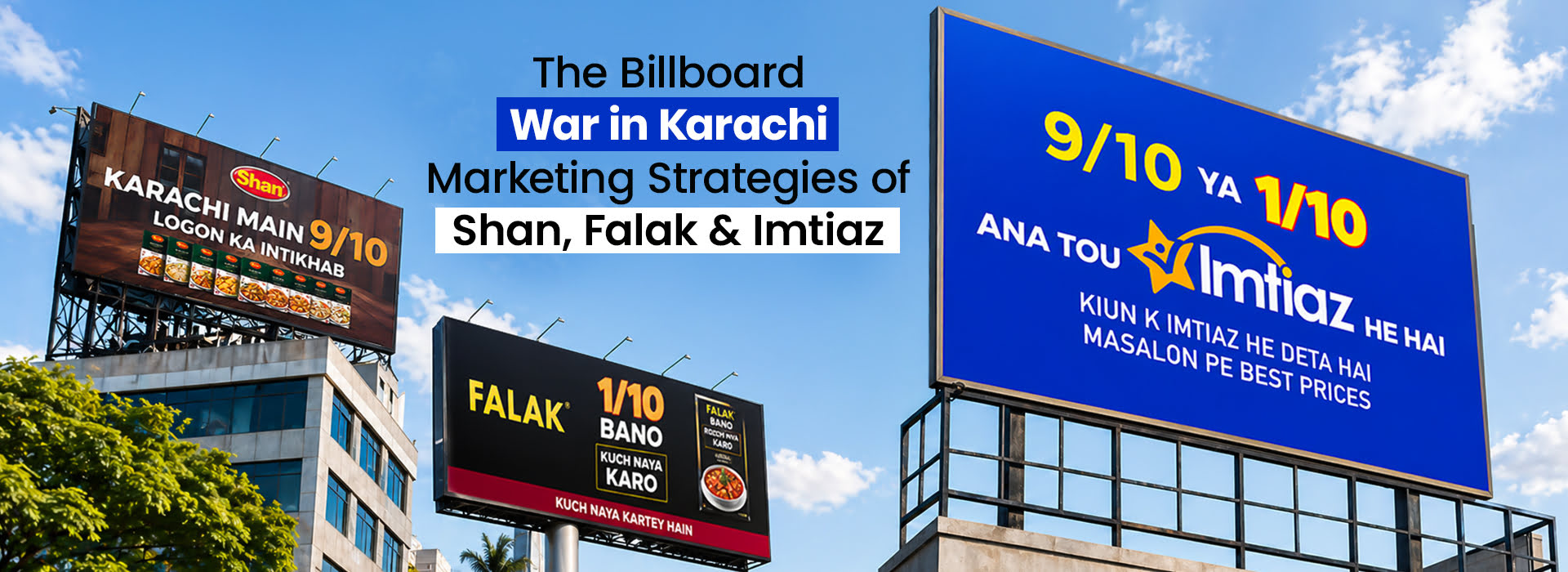
The Billboard War in Karachi: Marketing Strategies of Shan, Falak & Imtiaz
Drama is part of Karachi’s DNA, but this time it started with spices.
The spotlight wasn’t on politics or cricket; it was on billboard ads.
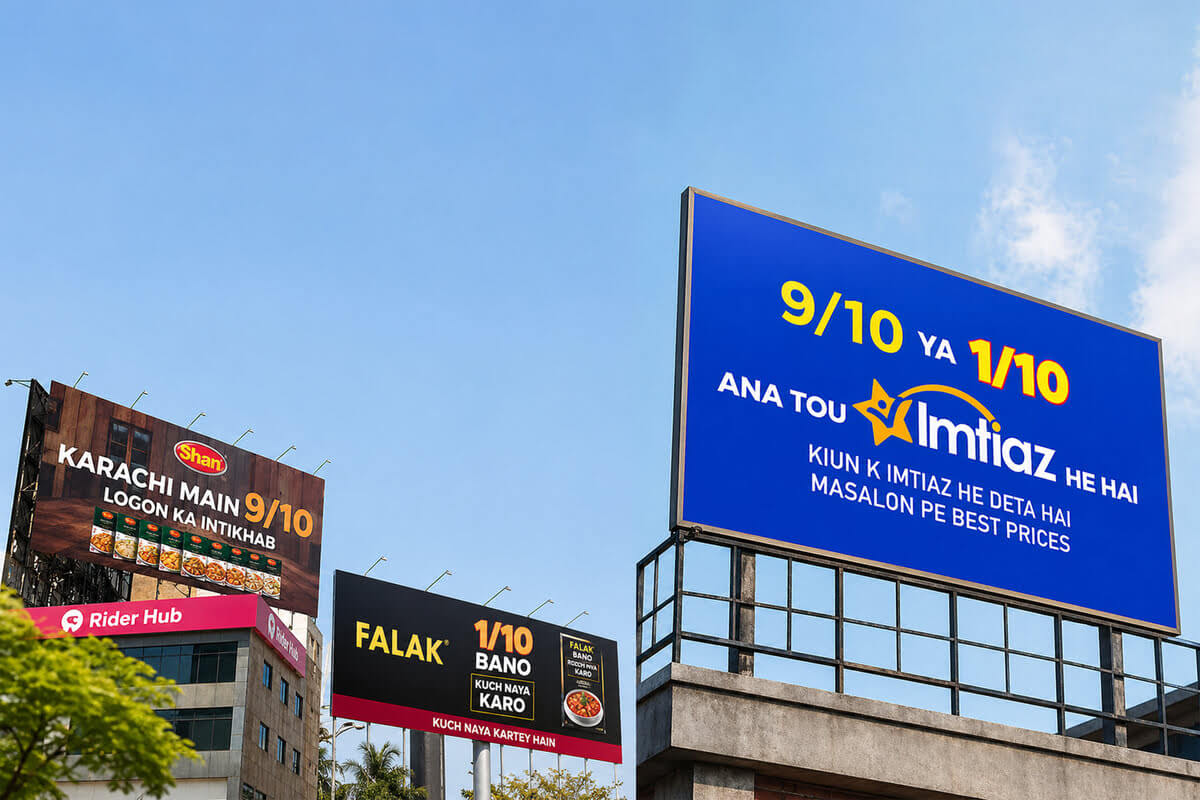
It started with a bold message from Shan Foods. Then came a clever response from Falak Foods that flipped the narrative. And just when people thought it was over, Imtiaz Super Market jumped in and made it even more interesting.
Within hours, photos flooded Instagram stories. LinkedIn marketers started analyzing the strategy, and meme pages joined the conversation. And just like that, a roadside billboard became one of Pakistan’s smartest recent marketing moments.
Why Did These Billboards Suddenly Become Everyone’s Topic
Most billboards are designed to be noticed, but these billboards were designed to be discussed. That’s the real shift in modern outdoor marketing strategies.
Falak’s placement beside Shan instantly created:
- comparison
- curiosity
- competition
- conversation
And the internet did the rest. Within days, marketing communities, LinkedIn creators, and meme accounts amplified the moment into what resembled one of the most organic viral marketing campaigns in recent times.
What made it work was simplicity.
No long copywriting
No complicated visual storytelling
Just smart positioning.
This is where brand storytelling quietly emerged, not through words, but through placement and timing.
How Does Shan’s Billboard Feel So Powerful
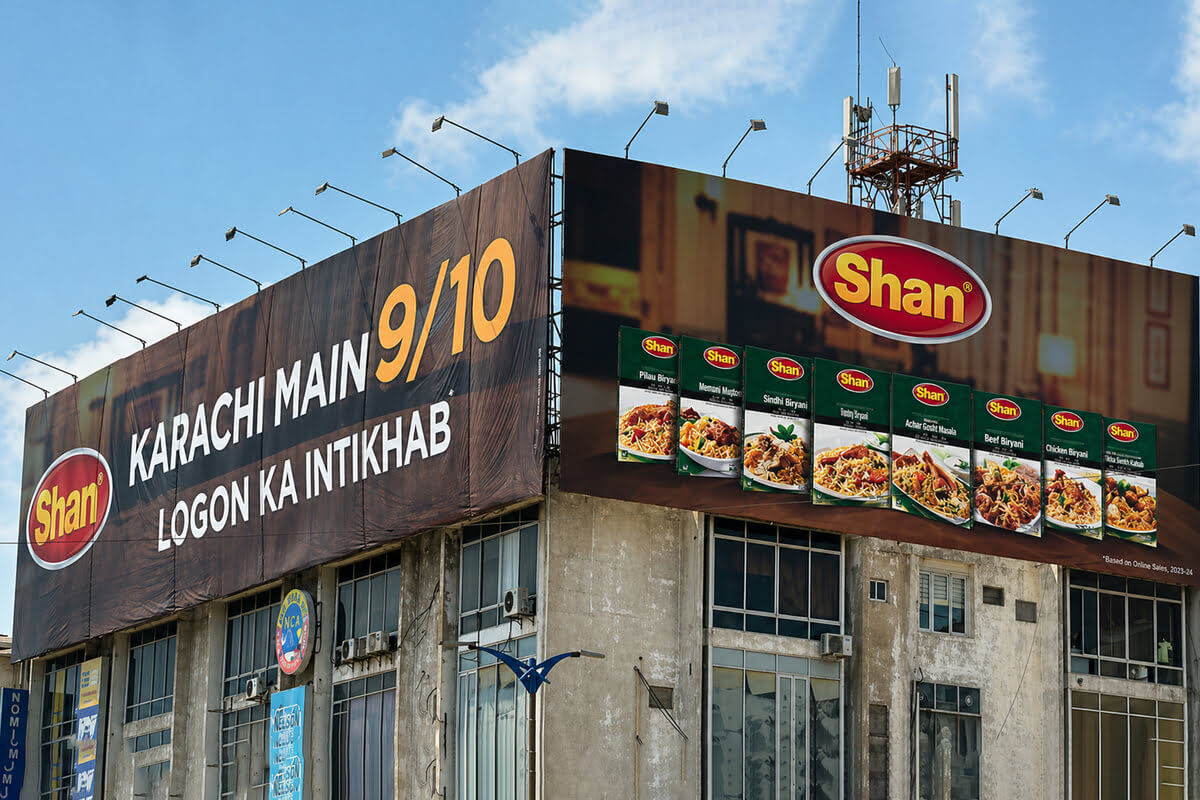
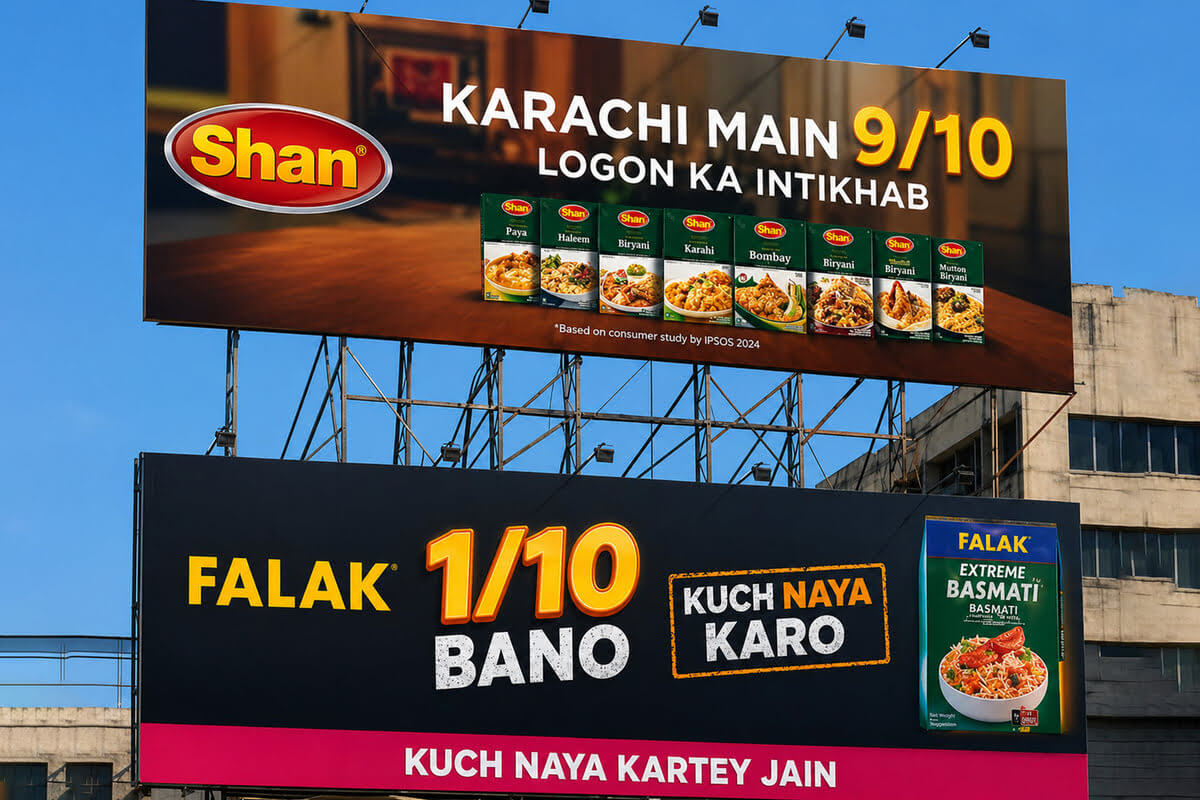
Shan’s campaign worked because it used something many brands can’t buy instantly: market authority.
The line “Karachi mein 9/10 logon ka intekhab” wasn’t just advertising; it was social proof, a cornerstone of strong brand marketing.
Shan positioned itself as the brand already trusted by the majority. And psychologically, consumers naturally trust products that feel widely accepted.
That’s what made the message powerful:
- simple wording
- strong confidence
- household familiarity
- instant understanding
This is classic branding done right
Why Falak’s Reply Was Smart
This is where the campaign evolved into a textbook example of brand rivalry. Instead of challenging Shan directly, Falak reframed the conversation entirely.
Its response, “1/10 bano, kuch naya karo,” changed the psychology of the campaign.
That was a very smart challenger-brand strategy. Instead of competing on size, Falak competed on:
- individuality
- experimentation
- modern consumer mindset
- emotional positioning
This wasn’t just a response; it was marketing creativity at its best. The campaign didn’t feel defensive; it felt confident.
How Imtiaz Joined the Trend
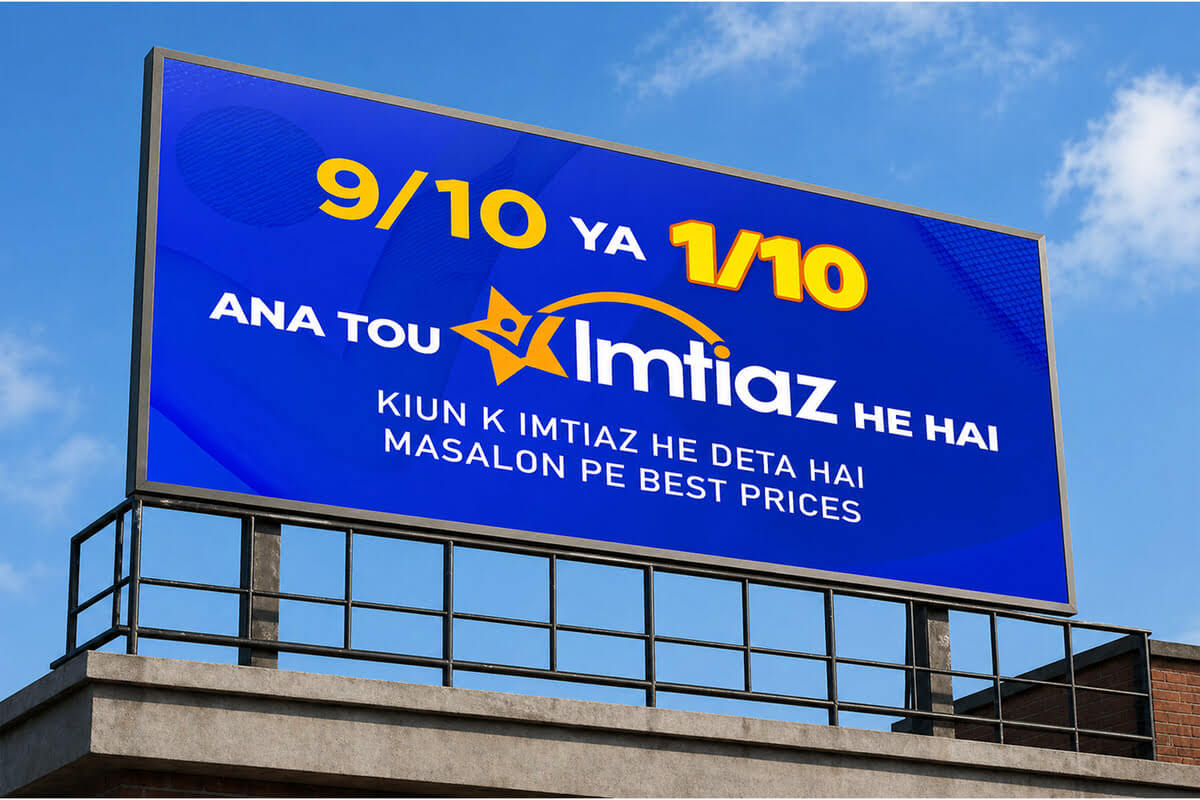
This is where the campaign turned into a perfect example of trendjacking. After Shan and Falak started trending online, Imtiaz entered the conversation with its own playful participation.
That was a smart move because Imtiaz understood something important: the existence of attention.
The brand didn’t need to create a new conversation. It simply inserted itself into an already viral one. That’s modern reactive marketing.
And when multiple recognizable brands participate naturally, audiences become even more engaged because the campaign starts feeling interactive instead of promotional.
By inserting itself into an already viral moment, Imtiaz demonstrated how creative advertising can thrive on timing and relevance.
Why This Campaign Went Viral
Because the billboard ads themselves were only half the campaign.
The internet was the other half.
Today, outdoor advertising no longer ends on the roadside.
A strong billboard becomes:
- an Instagram story
- a LinkedIn discussion
- a meme
- free digital reach
Some advertising estimates suggest billboard networks in Pakistan reach nearly 70% of urban audiences weekly, especially in high-traffic cities like Karachi
(Source: Billboards Pakistan)
This is exactly why viral content should be part of your marketing plan is no longer a question; it’s a necessity.
And Karachi is the perfect city for this kind of marketing because:
- Traffic exposure is massive
- Billboard visibility is high
- Social media usage is extremely active
- Audiences quickly engage with trends
Meanwhile, Karachi alone has a population exceeding 18.5 million people, with over 60% under the age of 30, a highly social-media-active audience.
(Source: Digital Pakistan)
With a young, digitally engaged population, campaigns like this naturally evolve into viral marketing campaigns.
Other Famous Brand Rivalries in Pakistan
Pakistan has seen multiple moments where brand rivalry turned into public entertainment and smart marketing. Here are a couple of past examples that still get talked about.
1. Zong VS Jazz VS Telenor (The 4G Billboard Moment)
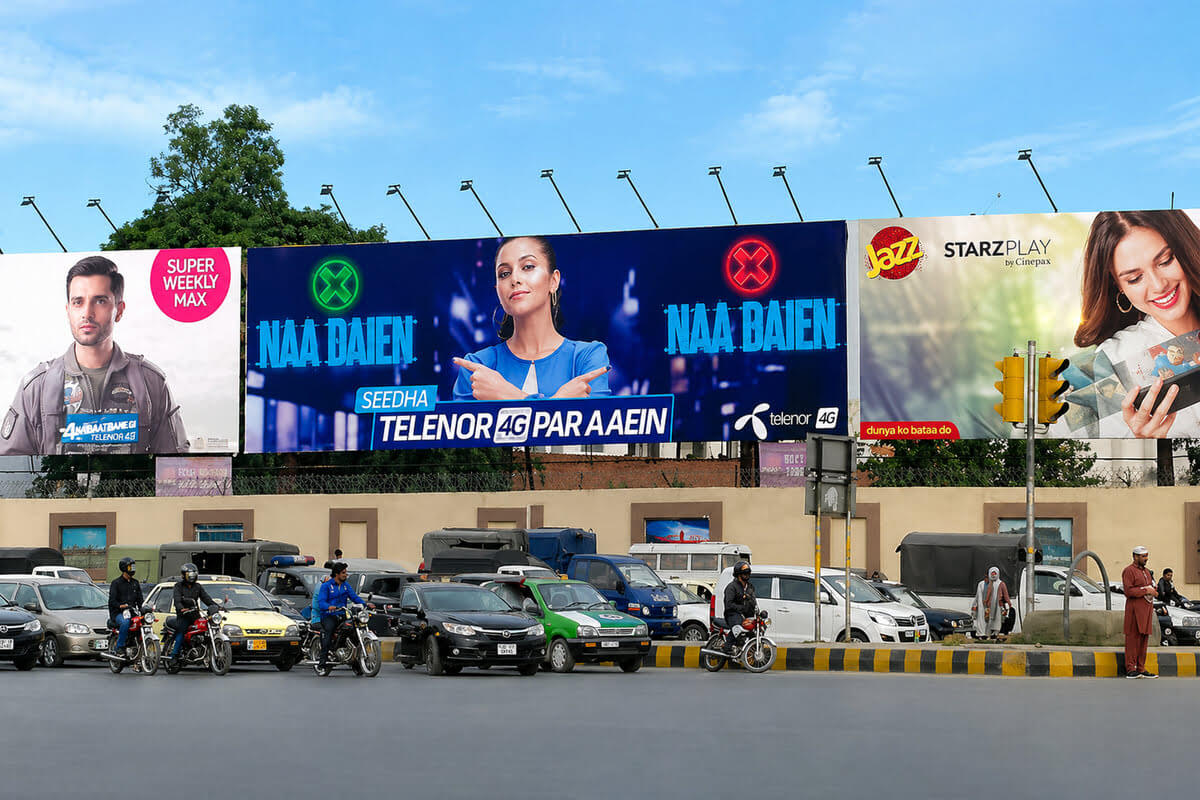
This is one of those well-known telecom marketing moments where competition literally spilled onto the streets.
Zong and Jazz were already in a 4G rivalry, each trying to position the other as less advanced through their campaigns.
Then Telenor stepped in differently; instead of responding directly, they placed a billboard between both of them with a simple line: “Na daein, na baien, Telenor 4G per aaein.”
No direct fight, just smart positioning. While the other two were busy competing, Telenor quietly became the center of attention.
2. KFC vs. McDonald's (The Chicken Tender Challenge)
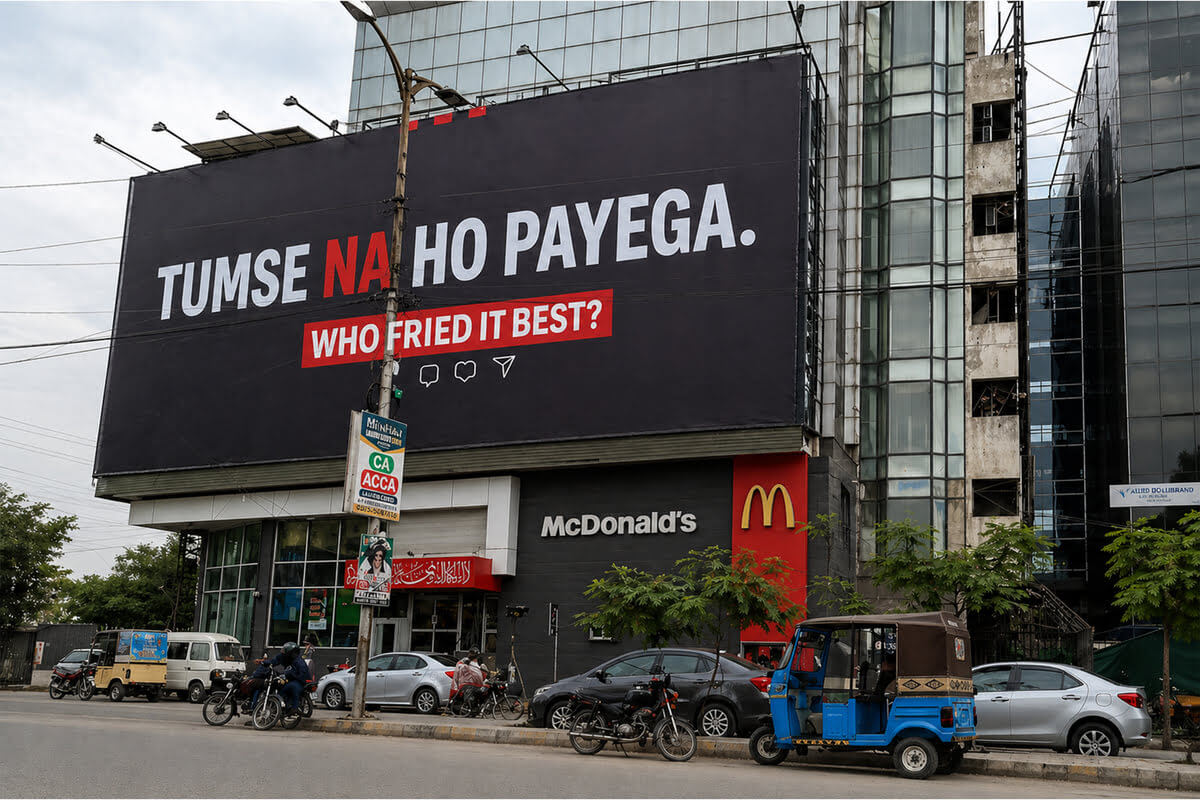
When McDonald’s introduced Chicken Tenders, people immediately connected it to one brand: KFC.
And KFC wasted no time responding.
With the line “Tumse na ho payega” and the hashtag #WhoFriedItBest, KFC playfully reminded everyone who already dominates the fried chicken space.
It wasn’t a direct fight, just smart, cheeky marketing that turned a simple menu launch into a full conversation online.
What Can Brands Learn from These Billboard Wars
The biggest lesson is simple: The brands winning today are the ones creating conversations, not just advertisements.
Shan showed:
- authority
- trust
- market leadership
Falak showed:
- challenger positioning
- personality-driven branding
- smart reactive marketing
Imtiaz showed:
- timing
- cultural relevance
- social participation
And together, they proved something important: Modern outdoor marketing strategies work best when audiences feel involved in the story.
Want Marketing Like This for Your Brand?
If you want your brand to create the kind of impact seen in Karachi’s billboard war, where people don’t just notice your ads but actually talk about them, Artxpro can help. We focus on building viral marketing campaigns that go beyond visibility and turn into conversations, combining strong outdoor ideas with social-first thinking to maximize reach and engagement. That’s why we’re recognized by many as the best digital marketing agency in Pakistan for brands aiming to stand out.
Contact Artxpro today, and let’s create brand marketing that people don’t just see but remember.
Digital Marketing Specialist
With a solid 12+ year background in digital marketing, Danyal delivers blogs packed with timely insights, useful tips, and impactful stories. His writing style is engaging, informative, and always rooted in real-world value for businesses and readers. From breaking down SEO strategies to exploring ecommerce trends and keeping tabs on what’s going viral online, he keeps it fresh, fun, and totally binge-worthy. If it’s worth knowing in the digital world, Danyal’s already writing about it.

An award-winning digital marketing agency dedicated to delivering effective solutions that ensure your success in the age of digital channels, screens, and trends.