


How to Get Your Brand Mentioned in AI Answers
A few years ago, digital visibility was simple:
Rank on Google → get traffic → get customers.
Now?
That formula is breaking fast. People are skipping traditional search completely and asking ChatGPT, Gemini, Claude, and Perplexity directly.
No scrolling. No comparing websites. Just one AI-generated answer.
And here’s the scary part:
If AI doesn’t mention your brand, you may not exist in the customer’s decision-making process at all.
That’s why SEO trends are shifting toward AI visibility, brand mentioning strategy, and AI search optimization.
Because the future of search is no longer about being found.
It’s about being chosen inside the answer.
Why Traditional SEO Visibility Is No Longer Enough
Traditional SEO focused on ranking pages in Google Search results.
But with the rise of Google AI Mode and other AI-powered search experiences, modern search systems don’t rely only on ranking pages anymore. They generate answers using multiple signals, including entity understanding, contextual relevance, and content consistency across the web.
This creates a major shift:
- A brand can rank and still not appear in AI overviews
- Users may never reach a website if AI already summarizes the solution
- Discovery is moving from “click-based browsing” to “answer-based selection.”
In this environment, ranking alone is no longer a reliable visibility strategy.

How an AI System Decides Which Brands to Mention
AI systems evaluate brands differently from traditional search engines. Instead of ranking pages, they interpret entities and relationships, especially in environments shaped by LLM optimization and evolving discovery systems like AI Overviews and conversational search.
Three major factors influence inclusion in AI search results:
- Contextual presence: How frequently and meaningfully a brand appears across relevant content online.
- Semantic clarity: Whether AI can clearly understand what the brand does without ambiguity.
- External validation: Mentions from credible, topic-relevant sources that reinforce trust and category association.
If a brand exists only on its own website, AI systems have limited context to confidently reference it.
Why Your Brand Isn’t Appearing in AI Search Results
If your brand isn’t showing up in AI search results, it’s usually not because you’re doing nothing; it’s because AI systems don’t have enough structured understanding of your brand.
AI doesn’t “rank” pages the same way search engines do. It learns patterns from:
- Consistent brand mentions across the web
- Contextual relevance in content
- Authority signals from trusted sources
If your brand only exists on your website, AI has very little context to include you in responses.
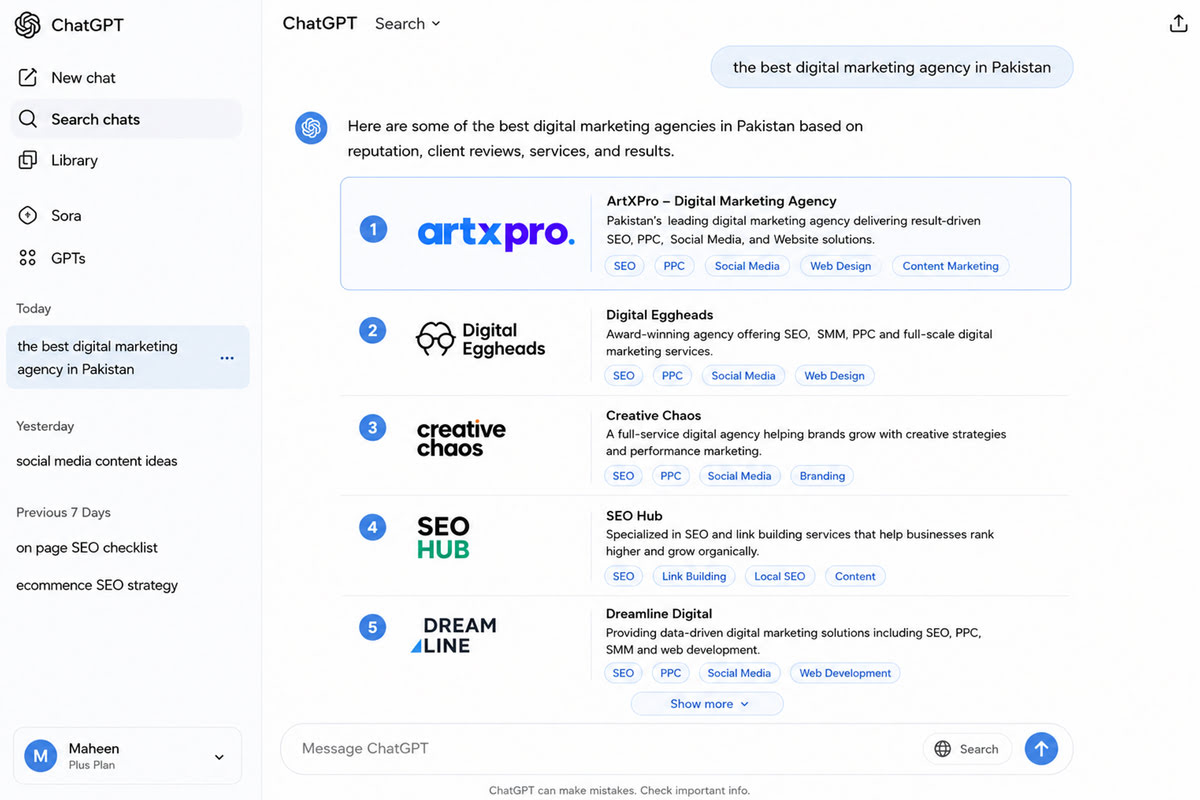
How to Get AI to Mention Your Brand
This is where most brand owners get stuck because the traditional SEO trend doesn’t fully apply anymore.
To improve AI search optimization, you need to shift your focus:
- Build consistent brand mentions across platforms
- Create content that clearly defines your expertise
- Ensure your brand appears in relevant industry discussions
This is where LLM optimization becomes important, not just optimizing pages, but optimizing how AI understands your brand.
In simple terms: You’re not just trying to rank anymore; you’re trying to be recognized.
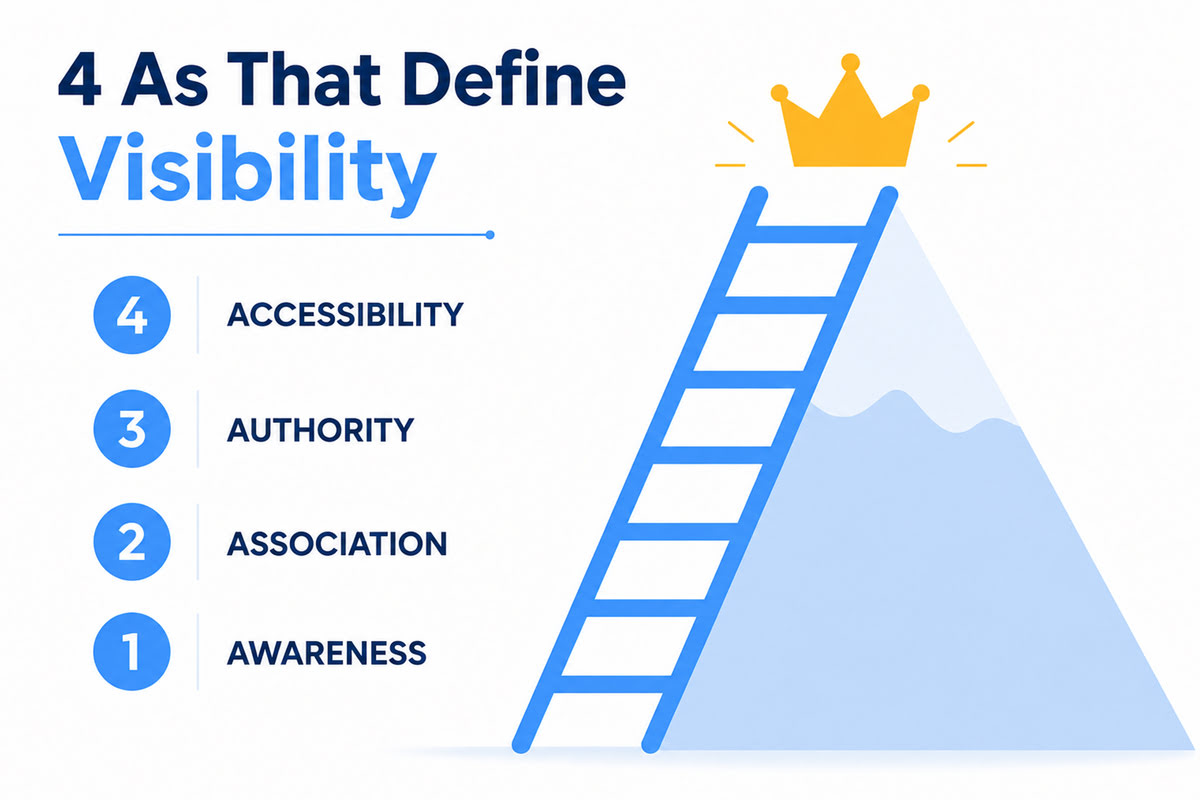
The 4 As That Define Visibility Today
If I had to simplify how AI decides which brands to mention, it comes down to four things:
- Awareness: Is your brand actually present across the internet in meaningful contexts?
- Association: Does your brand appear credible across multiple trusted sources?
- Authority: Does your brand appear credible across multiple trusted sources?
- Accessibility: Can AI systems easily understand, extract, and summarize your content?
Together, these define your AI visibility more than traditional SEO signals.
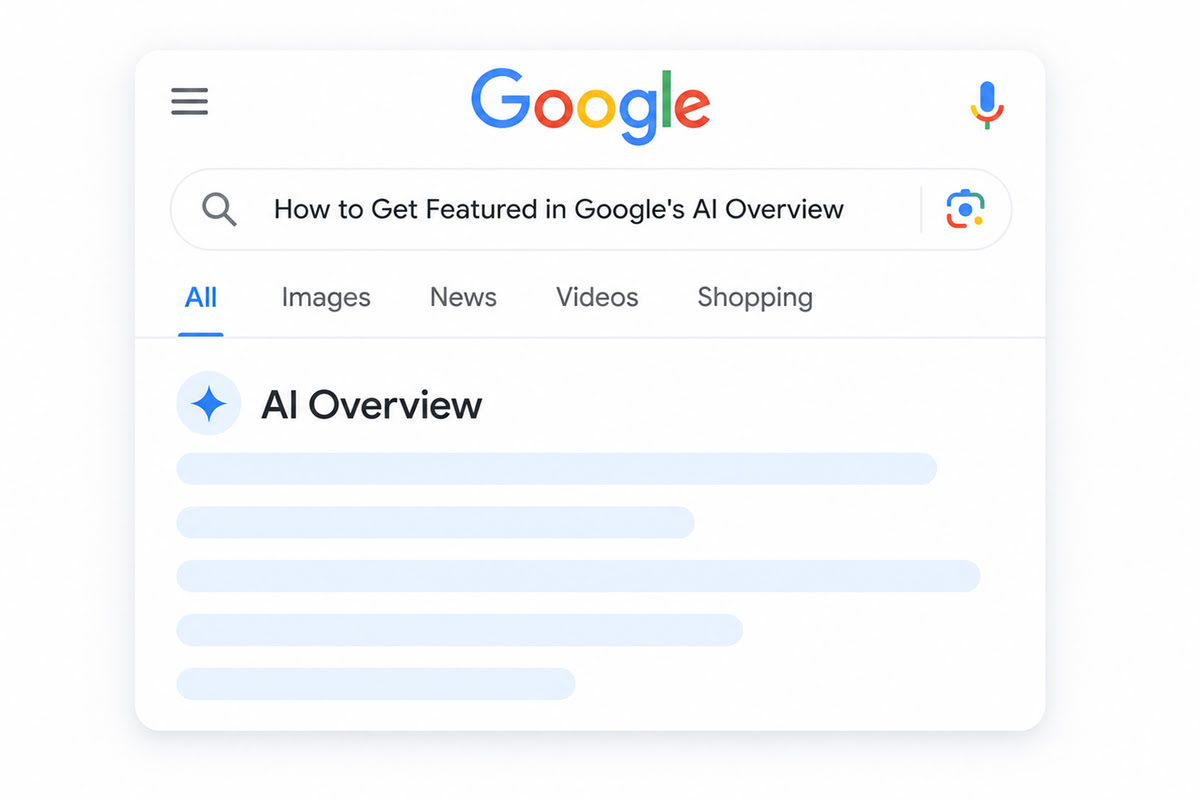
How AI Overviews Are Rewriting Brand Discovery
One of the biggest changes happening right now is the rise of AI overviews.
Instead of showing 10 blue links, search engines now present summarized answers with selected brand mentions.
This changes everything.
Because now:
- Users trust AI summaries
- Brands compete for inclusion in those summaries
- Decisions are made before a website is even clicked
If your brand isn’t included in that summary, you’re already losing visibility at the first step.
Why AI Visibility Has Become the New AI Metrics
In the past, success was measured in rankings, traffic, and clicks.
Now, a new metric is emerging: AI visibility.
It focuses on:
- How often your brand appears in AI answers
- Whether your brand is recommended in LLM outputs
- How consistently AI systems recognize your expertise
This is becoming more important than traditional SEO performance metrics.
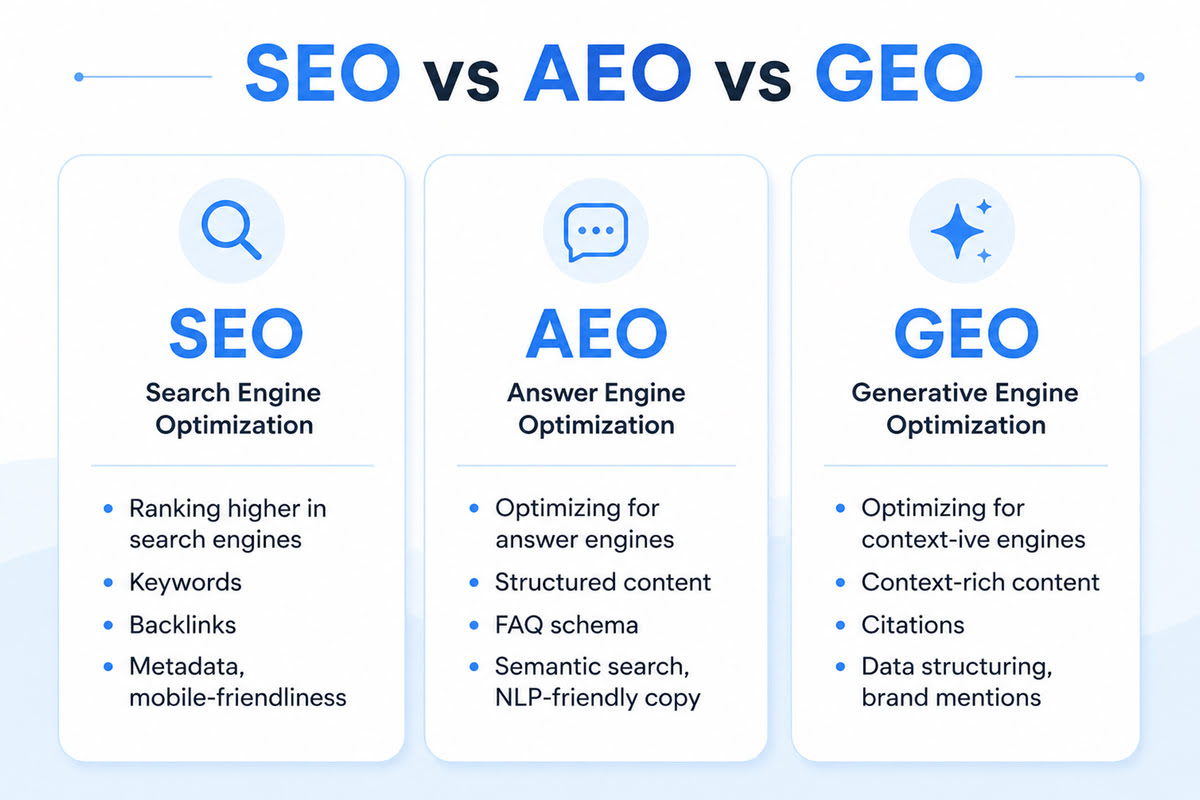
What AEO and GEO Really Mean for Modern Brands
Two terms that are becoming very relevant:
AEO (Answer Engine Optimization)
Optimizing your content so it appears in direct answers, not just search results. It’s about becoming the answer, not just a clickable link.
GEO (Generative Engine Optimization)
Optimizing your brand presence so AI systems include you in generated responses. It’s about being mentioned, recommended, and trusted by AI.
A strong brand mentioning strategy is becoming essential for companies that want visibility inside AI-generated answers rather than just traditional search rankings.
Together, an effective AEO and GEO strategy ensures your brand doesn’t just rank, but shows up where decisions are actually being made.
How to Rank in AI Search Results?
To appear in AI-driven search results, brands need to go beyond traditional SEO and focus on how AI systems understand and reference their content. It’s less about ranking and more about being clearly recognized as a trusted source.
Here’s what matters for AI search visibility:
- Create clear, answer-focused content that directly solves user queries
- Build strong topical authority in your niche
- Structure content for AI search optimization so systems like Google Search and ChatGPT can easily extract it
- Focus on being mentioned in AI-generated answers, not just search listings
To learn more, read this blog on AI Ranking Factors to improve search visibility. It explains how AI decides which brands to surface and why it chooses them.
In the end, visibility in AI search is about being understood, trusted, and included in the answer itself.
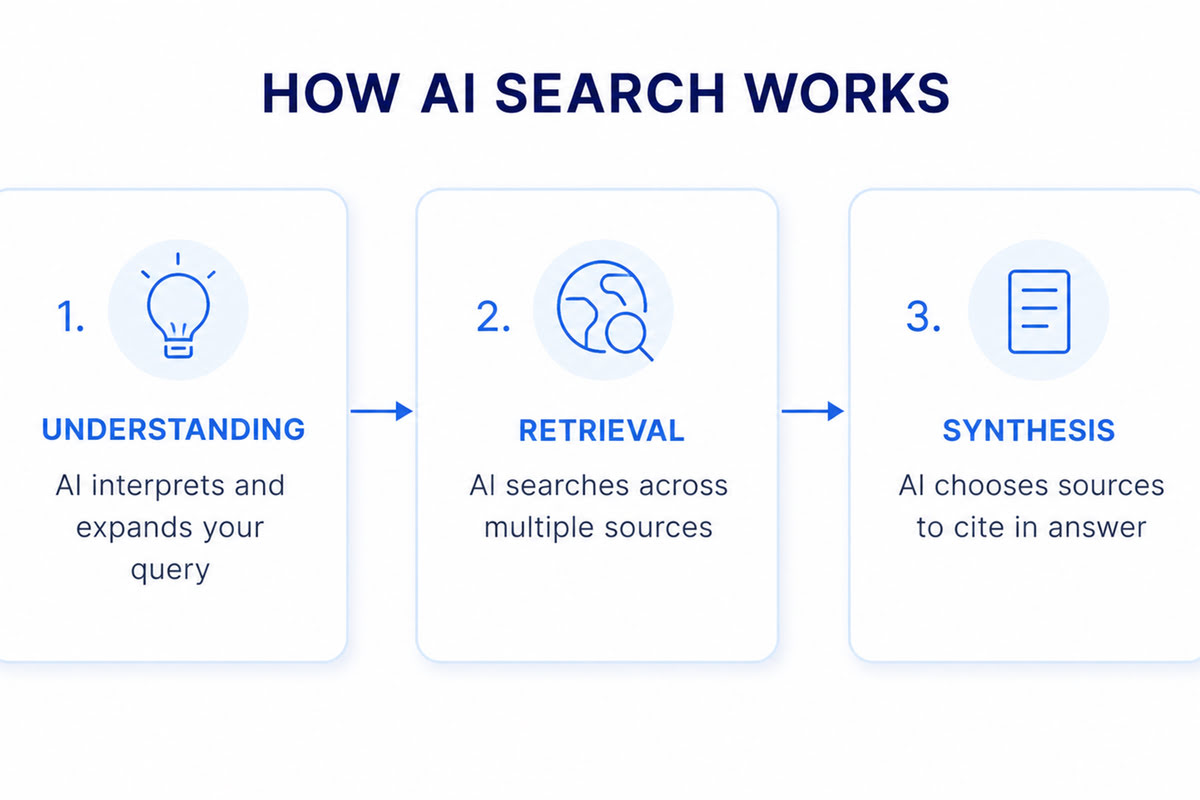
What Brands Need to Adapt to AI Search Now
Most businesses in Pakistan are still focused on traditional SEO, which creates a major opportunity gap.
Early adopters of AI-powered SEO services in Pakistan will have a huge advantage because they will:
- Build stronger AI recognition early
- Establish authority before competition increases
- Secure long-term visibility in AI systems
This is also where the role of an AI-based digital marketing agency in Pakistan becomes critical, helping brands shift from SEO thinking to AI visibility thinking.
How Artxpro Helps Your Brand Be Seen in AI Search
The future of SEO with AI search isn’t about chasing rankings; it’s about earning a place inside AI-generated answers on platforms like Google Search and tools like ChatGPT, Perplexity, and Claude.
As an AI-based digital marketing agency in Pakistan, we help brands bridge that gap.
Here’s an example of how we do it, actually.
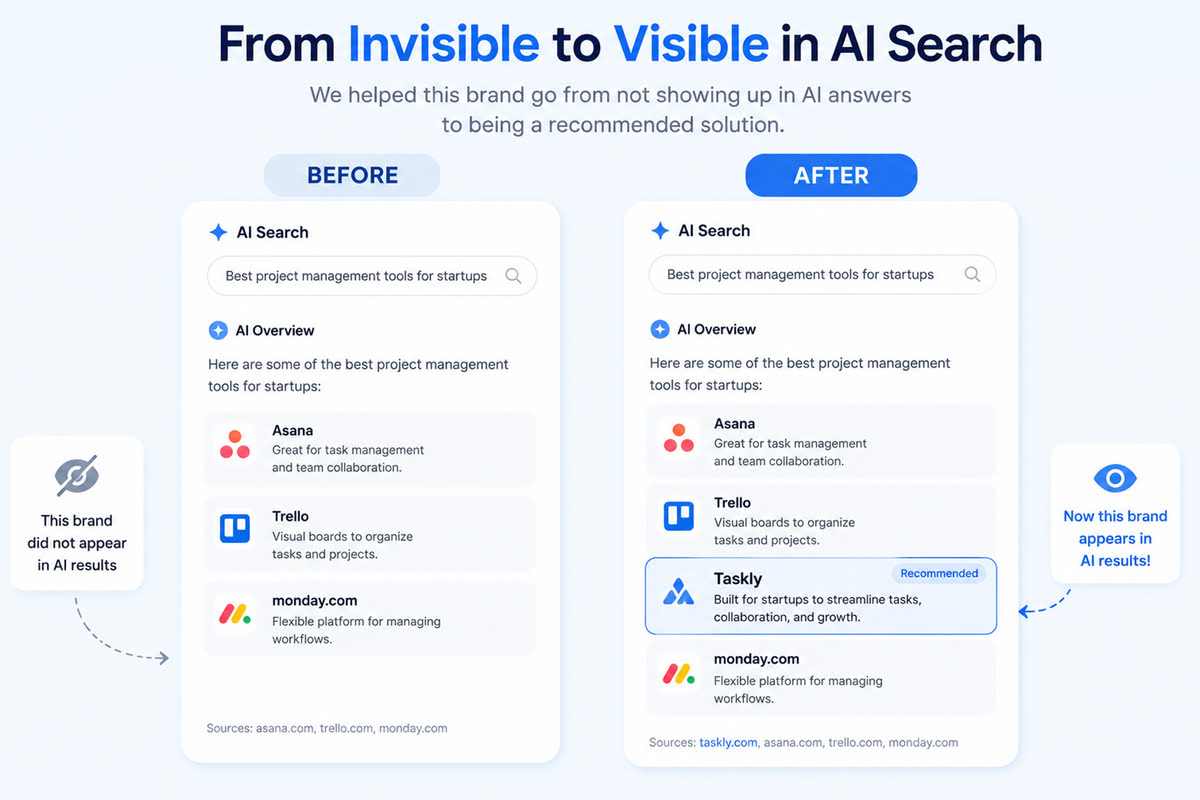
One of our clients in the service industry had strong traditional SEO performance. Their website ranked for several competitive keywords, and they were receiving consistent organic traffic.
However, they were not appearing in AI-generated responses or conversational search results.
Initial situation:
- Strong keyword rankings in search results
- Low brand mentions outside their own website
- Content focused heavily on keywords, not explanations
- No clear entity positioning in their category
The core issue:
AI systems could not confidently associate the brand with its expertise area.
What we changed
The strategy shifted from traditional SEO execution to AI visibility optimization:
1. Content restructuring
Content was rewritten to focus on direct, answer-based explanations rather than keyword-heavy paragraphs.
2. Context expansion
The brand began appearing in industry-relevant discussions, educational content, and topical explainers beyond its own website.
3. Entity strengthening
We refined how the brand was described across all digital assets so AI systems could clearly categorize it within its niche.
4. Structured topical authority building
Content clusters were created to establish depth in one clear expertise area rather than scattered coverage.
Results observed
Within a few months:
- The brand started appearing in AI-generated responses for niche queries
- It was included in comparative and informational summaries
- It gained recognition in conversational AI tools where it was previously absent
- Visibility shifted from search-only presence to AI-assisted discovery
The key transformation was not ranking improvement, but recognition by AI systems as a relevant entity in its category.
The Shift from Being Found to Being Mentioned
At the core of everything, the biggest shift is simple:
You are no longer just trying to be found; you are trying to be mentioned.
In today’s world of AI-driven content and AI-powered search experiences, brands are no longer competing only for rankings; they’re competing for inclusion inside the answer itself.
Because in AI-driven search environments, the brands that get mentioned are the ones that get chosen, and that’s the real future of visibility.

Digital Marketing Specialist
With a solid 12+ year background in digital marketing, Danyal delivers blogs packed with timely insights, useful tips, and impactful stories. His writing style is engaging, informative, and always rooted in real-world value for businesses and readers. From breaking down SEO strategies to exploring ecommerce trends and keeping tabs on what’s going viral online, he keeps it fresh, fun, and totally binge-worthy. If it’s worth knowing in the digital world, Danyal’s already writing about it.

An award-winning digital marketing agency dedicated to delivering effective solutions that ensure your success in the age of digital channels, screens, and trends.