


The March 2026 Google Core Algorithm Update: What You Need to Know

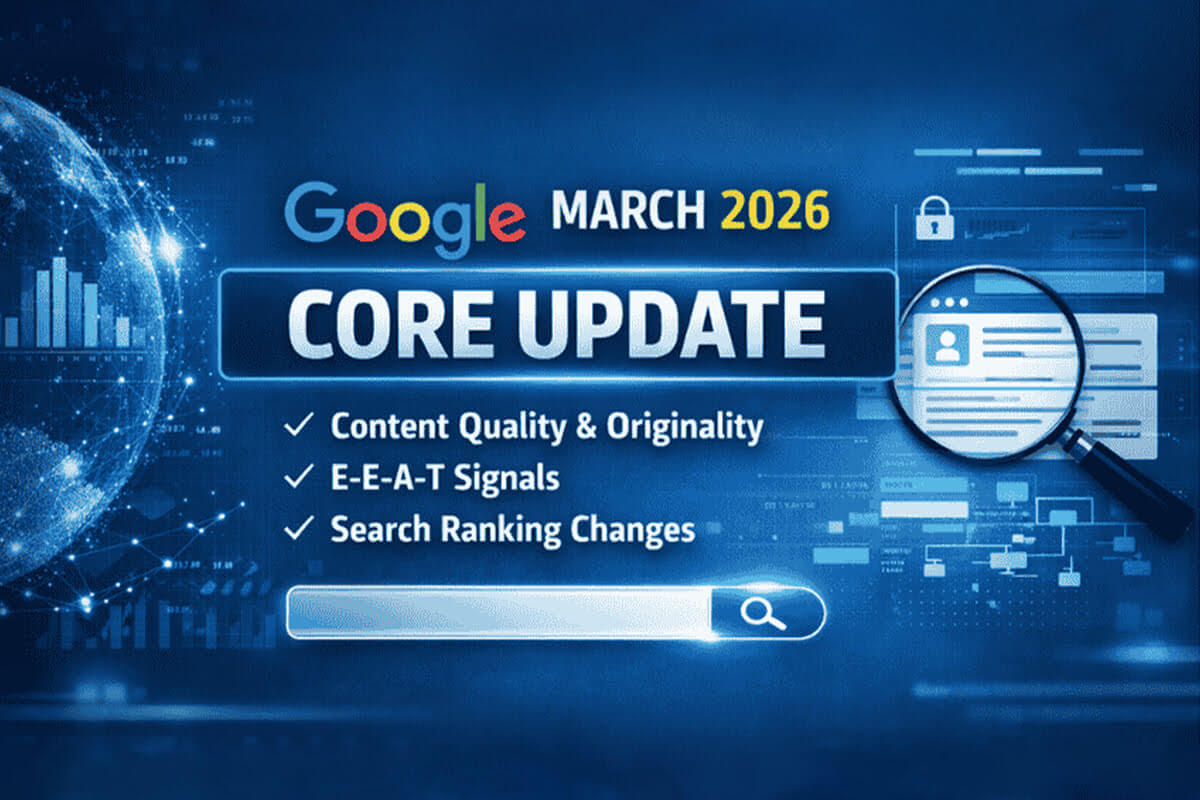
The March 2026 Google core update is another reminder that the Google algorithm update cycle is no longer just about small ranking shifts; it’s about redefining how content is evaluated across the web.
If you’ve noticed changes in your search engine rankings or a drop in search visibility around late March or early April, whether you’re running an e-commerce store, a service-based business, or an agency in Pakistan, this update is likely the reason.
And it didn’t come alone.
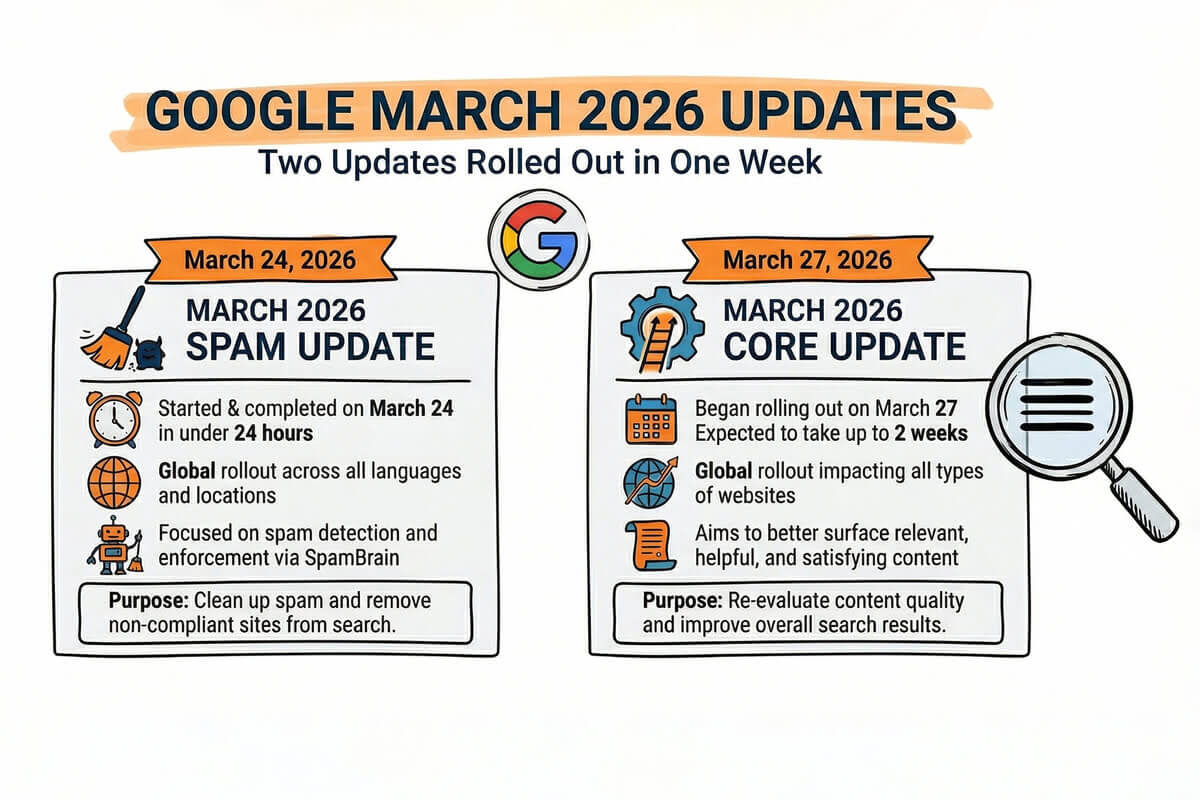
Just days before, Google rolled out the March 2026 spam update, reinforcing its spam policies and tightening control over low-quality and manipulative content.
Together, these updates are pushing search in a very clear direction.
What are the June 2025 Google Algorithm Updates?
Before the March 2026 core update, it’s important to understand what are the June 2025 Google Algorithm Updates?, because they introduced many of the ranking signals that are now fully enforced.
The June 2025 Google algorithm updates focused on improving content quality evaluation, reducing low-value AI-generated pages, and strengthening Google’s ability to understand user intent.
Key highlights included:
- A stronger focus on helpful, people-first content
- Early signals of stricter content quality filtering
- Improved detection of scaled or automated low-value content
- Better alignment between search intent and ranking results
These updates acted as a transition phase, preparing the algorithm for deeper changes seen in 2026.
What Happened in the March 2026 Core Update?
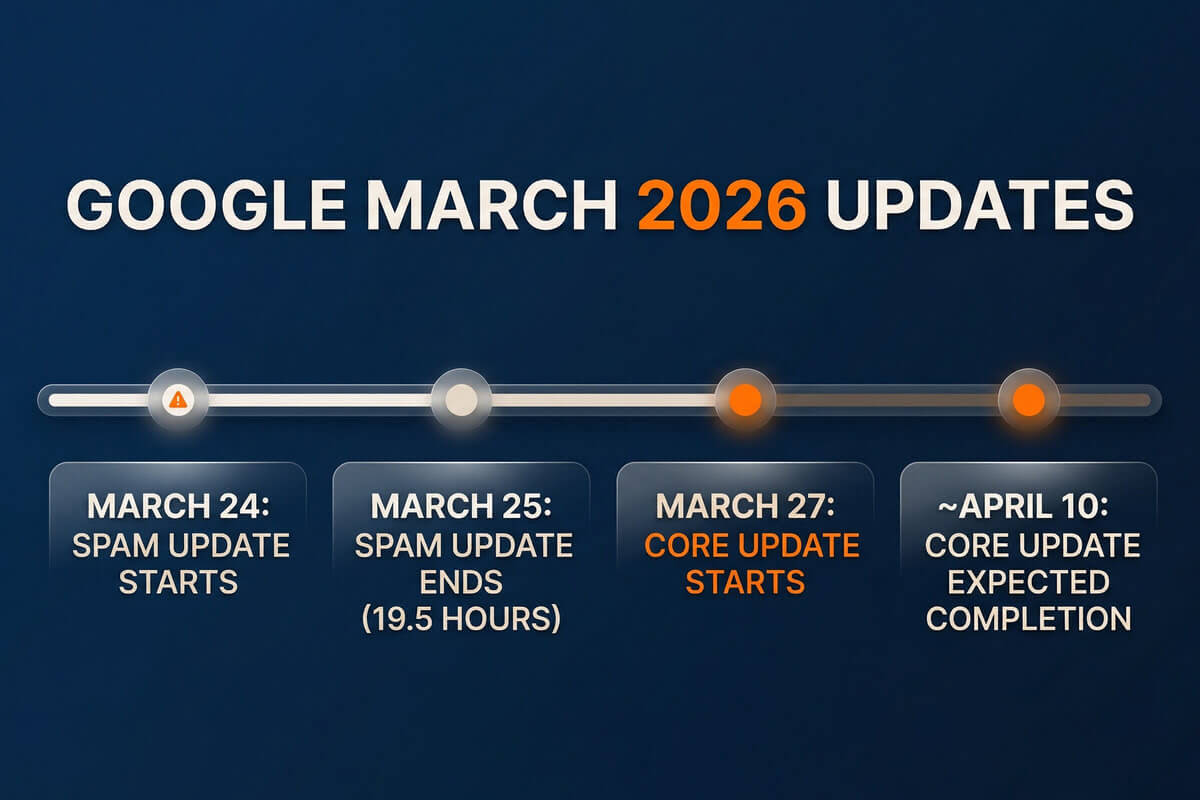
Google began rolling out the March 2026 Google core update on March 27 and completed it on April 8.
Like previous broad Google algorithm updates, this was not targeted at specific websites. Instead, it re-evaluated content across all industries based on updated ranking factors.
Alongside it, the March 2026 spam update filtered out:
- Manipulative SEO practices
- Thin affiliate pages
- Low-value, scaled content
This combination created a noticeable impact from Google core updates globally and increasingly on Pakistani websites that relied on volume-based or shortcut strategies.
Why This Update Matters
Core updates are always important because they affect more than just one type of website.
They impact:
- Blogs and content sites
- Service-based businesses
- E-commerce stores
- Affiliate websites
- Media platforms
And the effect is usually unpredictable. Some sites grow overnight, while others drop even without making any changes.
That’s what makes core updates so important to understand.
What Changed This Time
If you look closely at the March 2026 update and even the updates leading up to it, one thing becomes very clear: Google is no longer just ranking content; it’s evaluating credibility, intent, accuracy, and information value at a much deeper level.
1. Search intent is now interpreted, not matched
Earlier, ranking was heavily influenced by how well your page matched keywords.
Now, Google is getting significantly better at understanding:
- Why a user is searching
- What stage they are in (learning, comparing, buying, solving)
- What kind of answer actually satisfies them
This means:
- A general blog will not rank for a decision-based query anymore
- Broad content is being replaced with intent-specific pages
- Keyword optimization alone is no longer enough
This shift is a core part of any modern technical SEO guide, where understanding intent is just as important as fixing crawlability or site speed.
2. Information is being cross-verified, not just indexed
This is one of the most important and underrated shifts in 2026.
Google is now better at:
- Cross-checking claims
- Comparing facts with trusted sources
- Evaluating whether content aligns with reliable information
If your content is vague, unverified, or loosely written, it’s easier than ever for Google to downgrade it. Even AI-generated content is being evaluated on accuracy against trusted data sources, not just readability.
3. Originality is no longer optional; it’s a ranking requirement
One of the clearest outcomes of the March 2026 update:
- Sites with original insights, research, or real input gained visibility
- Sites repeating existing information lose rankings
This aligns with a broader shift where Google is actively reducing unoriginal, scaled content across search results.
So now the question is not:
“Is your content good?”
It’s:
“Does your content add something new to the internet?”
4. E-E-A-T is being applied more strictly
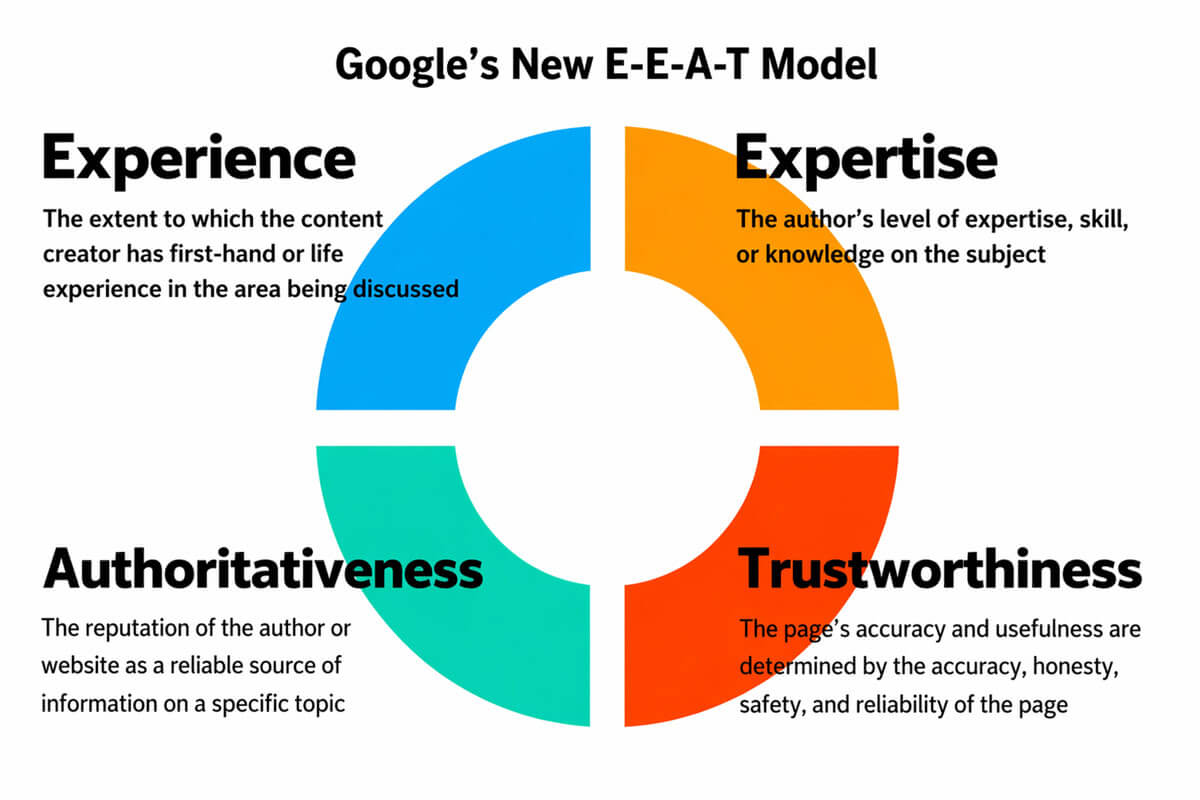
We’ve been hearing about Google E-E-A-T and its impact on SEO for years. But in 2026, it’s no longer theoretical, it’s directly reflected in rankings.
Google is actively favoring content that demonstrates:
- First-hand experience
- Real expertise
- Clear authorship
- Trust signals (sources, credibility, transparency)
Pages without clear expertise signals are losing stability, even if they are well-written.
5. AI content is being filtered by value, not presence
Let’s be very clear here, because this is where most people misunderstand the update: Google is NOT penalizing AI content, it’s filtering low-value content at scale.
What’s getting hit:
- Mass-produced articles
- Rewritten content with no added insight
- Pages created to target keywords
What’s working:
- AI-assisted content with human insight
- Edited, structured, and experience-backed pages
6. Topical authority is replacing “content volume.”
Earlier, the SEO strategy was about publishing more content and targeting more keywords, but now it’s about building depth in one area and gaining authority in a niche.
Google is prioritizing:
- Websites that cover topics deeply
- Content ecosystems, not isolated posts
- Strong internal relevance between pages
This is why niche sites and expert-driven platforms are outperforming broad content sites.
7. User experience is being evaluated beyond Core Web Vitals
User experience is no longer just about:
- Page speed
- Technical performance
Google is now evaluating:
- Content structure
- Readability
- Navigation clarity
- How easily users find answers
Because ultimately, Google is measuring one thing: Did the user get what they came for quickly and clearly?
Impact of Google Core Updates on Websites
The impact of Google core updates is no longer subtle; it’s significant and immediate.
Websites that gained visibility have:
- Content with original insights
- Niche-focused platforms
- Sites with strong authority and trust signals
- Pages aligned with intent and user expectations
In Pakistan, newer but focused brands are now outperforming older websites that relied only on basic SEO.
Websites that lost rankings have:
- Thin and duplicate content
- Low-quality AI-generated content
- Over-optimized SEO pages
- Sites affected by spam policy violations
This shift is creating a clear divide in the Pakistani market.
How Should Businesses Prepare After This Update
By now, one thing is clear: this isn’t a temporary shift. It’s a long-term direction. For businesses in Pakistan, this is a critical moment because competition is increasing, and outdated SEO approaches are losing effectiveness.
Here are practical steps to move forward.
1. Shift From Volume to Value
What matters now is:
- How much value does each page adds
- Whether it answers the intent clearly
- Whether it offers something different from existing results
A few strong pages will outperform dozens of average ones.
2. Build Around Real Expertise
Google is now prioritizing content that feels credible and experience-driven.
Make sure you:
- Showcase real experience and industry knowledge
- Add clear authorship and credibility signals
- Include insights that reflect actual understanding, not just research
Use AI in digital marketing the right way to support research and structure, not to replace human insight.
3. Focus on Intent-Driven SEO
Modern SEO strategy is no longer keyword-first. Instead, focus on:
- Understanding what the user actually wants
- Creating content for specific intent (informational, transactional, etc.)
- Solving a clear problem on every page
Every piece of content should answer: Who is this for, and what problem is it solving?
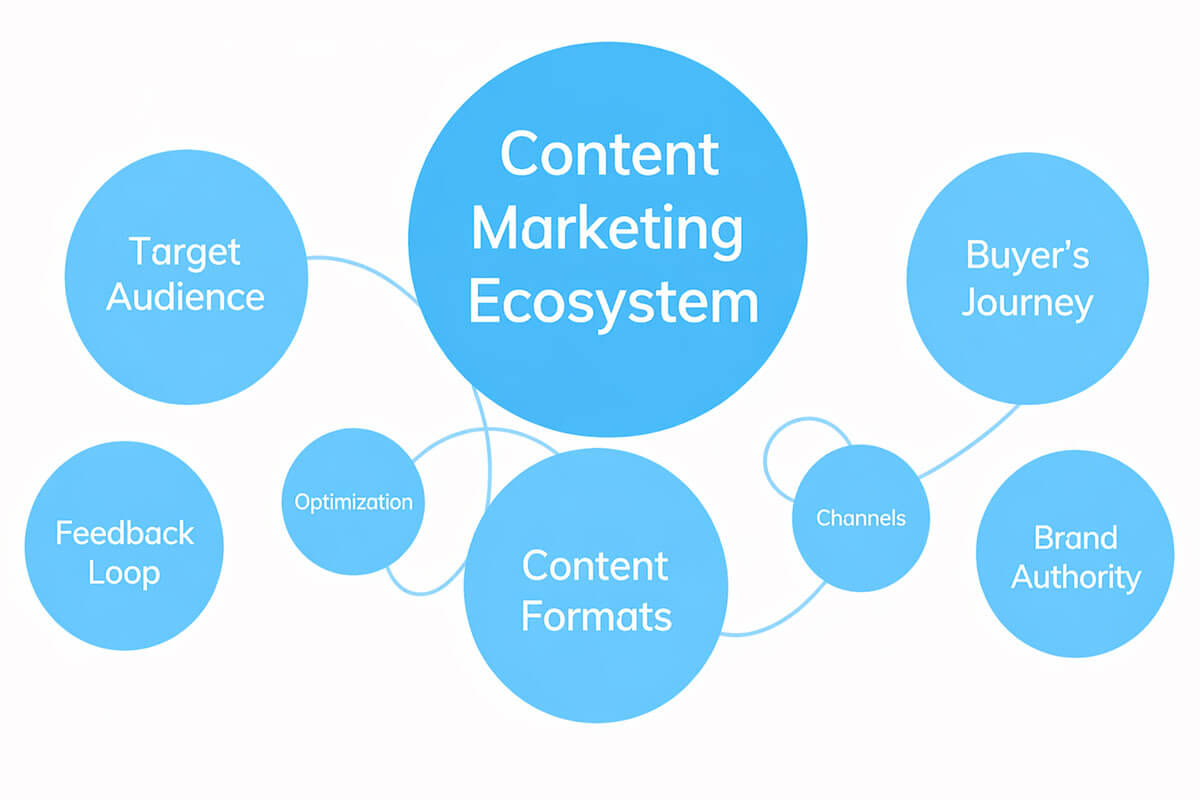
4. Strengthen Your Content Ecosystem
Isolated blogs are no longer enough.
Build:
- Connected content clusters
- Strong topical authority
- Consistent direction in your content strategy
Because Google is now evaluating your website as a complete system, not just individual pages.
How Artxpro Builds Future-Ready SEO Strategies
At ArtxPro, the best digital marketing agency in Pakistan, this shift isn’t new; it’s already built into how strategies are developed.
Instead of chasing short-term rankings, we focus on:
- Building sustainable content systems that align with real user behavior and AI-driven search results
- Combining AI in digital marketing with real human insight
- Designing a long-term SEO strategy that aligns with how Google actually evaluates content today
And with evolving search systems, having access to the best AI SEO services in Pakistan is no longer optional; it’s becoming a competitive advantage.
Final Thoughts
The March 2026 update is not just another Google algorithm update. It’s part of a much bigger shift, one that is now clearly affecting both global and Pakistani search landscapes.
From:
- Keywords → Intent
- Content → Contribution
- Optimization → Credibility
The impact of Google core updates will continue to grow.
And in markets like Pakistan, the difference between brands that adapt and those that don’t will only become more visible.
If you want to stay ahead of these changes, now is the time to build a smarter, future-ready SEO strategy.
Get in touch with ArtxPro.
Digital Marketing Specialist
With a solid 12+ year background in digital marketing, Danyal delivers blogs packed with timely insights, useful tips, and impactful stories. His writing style is engaging, informative, and always rooted in real-world value for businesses and readers. From breaking down SEO strategies to exploring ecommerce trends and keeping tabs on what’s going viral online, he keeps it fresh, fun, and totally binge-worthy. If it’s worth knowing in the digital world, Danyal’s already writing about it.

An award-winning digital marketing agency dedicated to delivering effective solutions that ensure your success in the age of digital channels, screens, and trends.