


.jpg)
What Is Generative Engine Optimization (GEO)? The Complete AI Search Guide

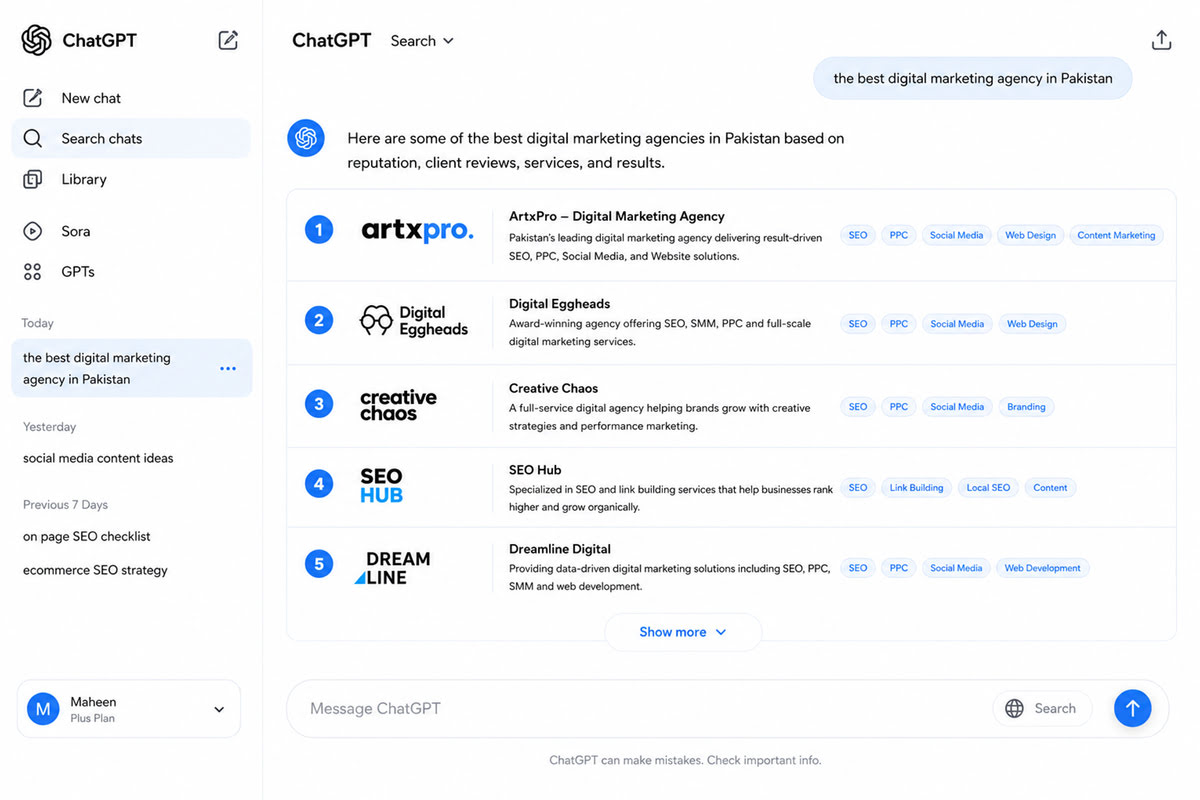
Imagine spending months improving your website rankings, publishing blogs, and building backlinks, only to discover that your potential customer never visits your website. Instead, they ask ChatGPT, Gemini, Perplexity, or Claude a question and receive honest feedback.
This shift is transforming how people search online.
Google reports that AI Overviews are now used by more than 1 billion people, while the feature has expanded to support increasingly complex searches.
(Source: Google)
Traditional search engines are no longer the only gateway to information. Today, AI search engines are becoming the first point of interaction for people seeking recommendations, research, and purchase decisions. The impact extends beyond Google.
According to SparkToro's latest research, 68% of Google searches now end without a click, meaning users find what they need without ever visiting a website
(Source: SparkToro)
AI-generated answers, featured snippets, and instant search experiences are fundamentally changing how businesses earn visibility online.
This is where Generative Engine Optimization (GEO) comes in.
Our experience with AI search optimization
At Artxpro, we've observed a big shift in how users discover businesses online. Over the past year, we've evaluated how AI platforms such as ChatGPT, Gemini, Claude, and Perplexity reference web content across multiple industries. One consistent pattern is that AI systems favor content that demonstrates expertise, answers questions comprehensively, and provides trustworthy, well-structured information. These observations have shaped the GEO best practices we recommend throughout this guide.
What Is Generative Engine Optimization (GEO)?
Generative engine optimization (GEO) is the process of optimizing your content and website so that AI search engines can understand, trust, and reference your information when generating answers. Think of traditional SEO as helping your website rank in search results.
Think of GEO as helping your brand become part of the answer itself.
Whether someone is using ChatGPT, Google AI Overviews, Gemini, Claude, Perplexity, or other generative AI platforms, GEO focuses on increasing your brand visibility within AI-generated responses.
In simple terms, AI search optimization helps ensure that when AI systems answer questions related to your industry, your expertise, content, products, or services are included in those answers.
Why GEO Matters More Than Ever
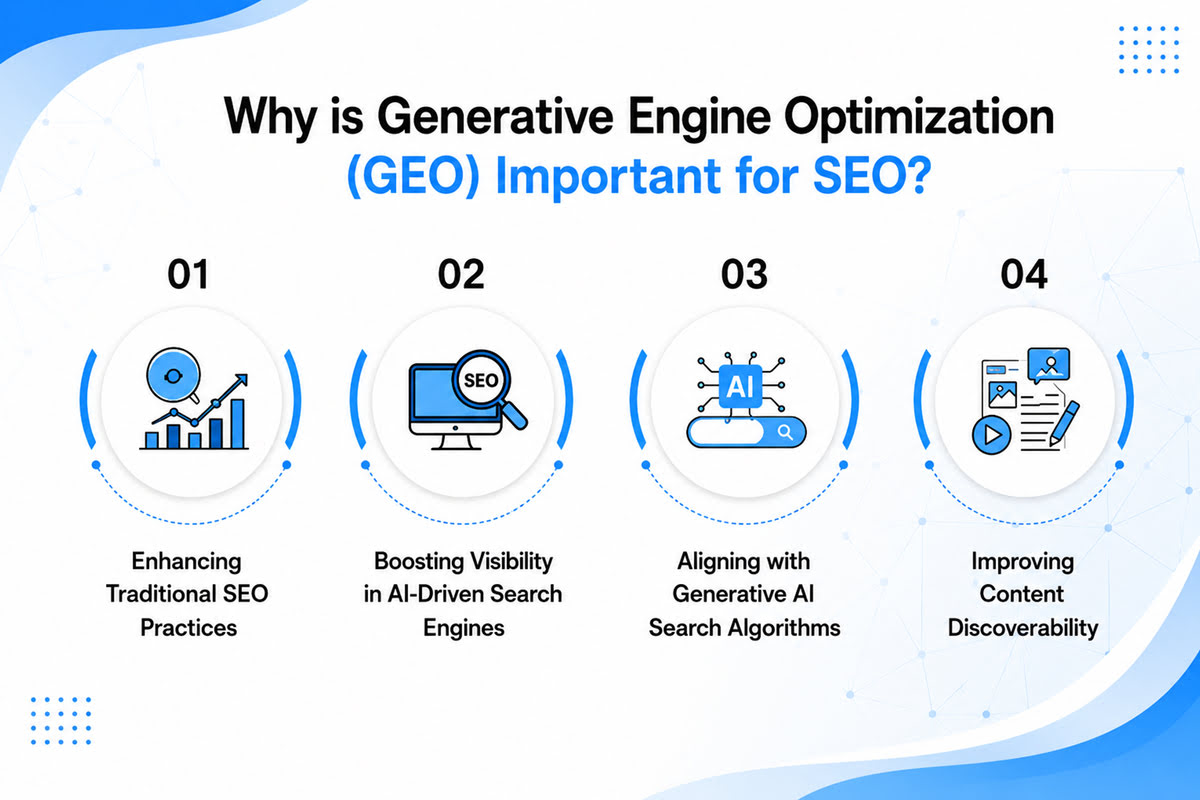
Search behavior is changing faster than most businesses realize. Users no longer want to browse ten different pages to find information. They want instant, accurate answers.
Google has reported that AI-powered search experiences are actually increasing search activity, with AI Overviews driving more than 10% growth in searches for the queries where they appear.
(Source: Google)
As generative AI becomes integrated into search experiences, businesses that only focus on traditional SEO risk losing visibility, even if they rank well on Google.
The challenge is simple: If AI provides the answer, will your brand be mentioned?
That's why companies are investing in SEO for AI search engines and building an AI content strategy designed specifically for large language models (LLMs).
The brands that adapt early will have a significant advantage as AI trends continue reshaping digital marketing.
How Do AI Search Engines Rank Content?
One of the most common questions businesses ask is: How do AI search engines rank content?
Unlike traditional search engines that primarily rank webpages, AI systems evaluate information differently. While each platform uses its own methodology, several key AI search ranking factors consistently influence visibility.
1. Content Depth and Expertise
AI models prefer comprehensive, authoritative content that thoroughly answers user questions.
Thin content written solely for rankings is less likely to be referenced than content that demonstrates genuine expertise and experience.
2. Semantic Relevance
Modern AI systems rely heavily on semantic SEO.
Rather than matching exact keywords, they evaluate context, meaning, relationships between topics, and overall topical authority.
Content that covers related concepts naturally tends to perform better in AI search environments.
3. Structured Information
Using structured data for AI helps machines understand your content more accurately. Schema markup, FAQs, product details, author information, and clearly organized content all improve machine readability.
Example: A software company publishing a product page with Organization, Product, FAQ, and Review schema provides AI systems with clearer signals about its services. This structured information helps search engines and AI platforms interpret content more accurately.
4. Trust and Credibility
AI platforms increasingly prioritize trustworthy sources.
Original research, expert insights, case studies, citations, and strong E-E-A-T signals contribute to higher AI visibility optimization.
5. Brand Mention Across the Web
AI models don’t only analyze your content. They also look at how often your brand is referenced, discussed, cited, and linked across the internet.
The stronger your digital footprint, the greater your chances of appearing in AI-generated responses.
How to Optimize Content for AI Search
Businesses are already adapting for AI visibility.
HubSpot reported a 1,850% increase in qualified leads after restructuring its content strategy around AI search visibility, conversational content, and authority rather than keyword rankings alone.
(Source: Techradar)
If you’re wondering how to optimize content for AI search, start with these GEO best practices:
Write for Questions, Not Just for Keywords
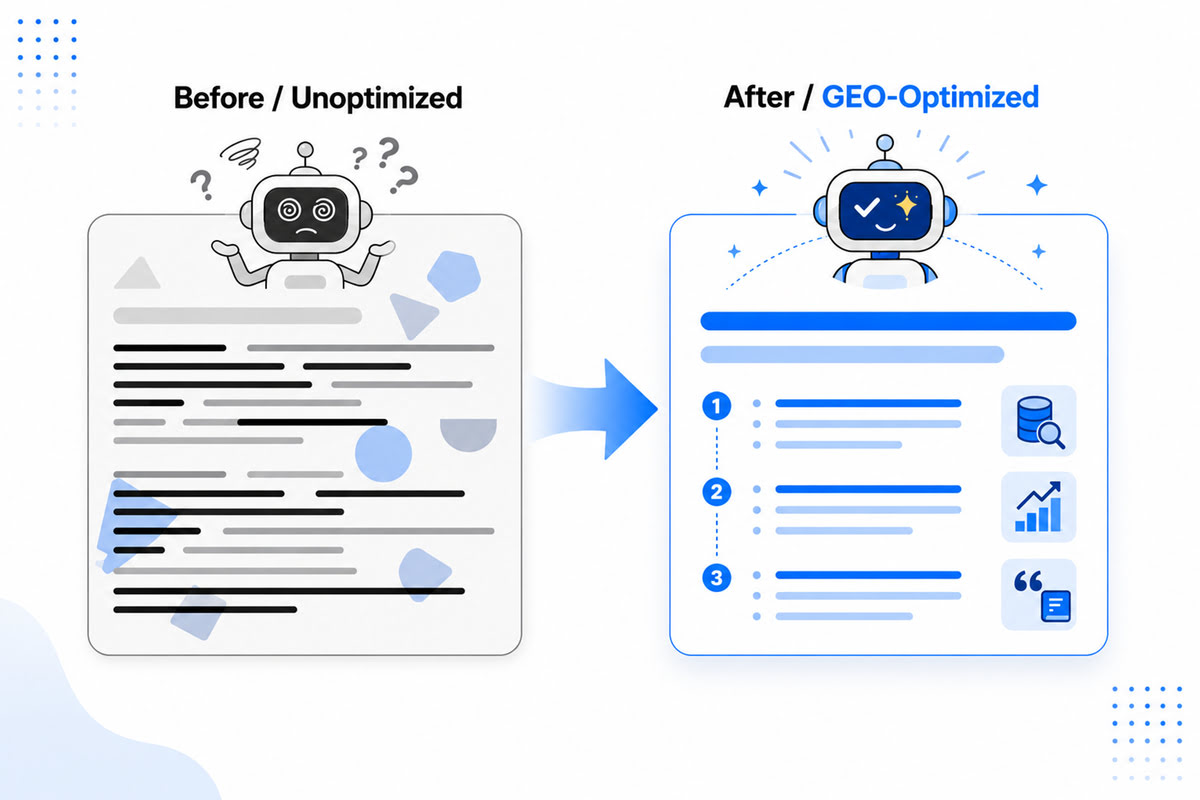
AI assistants are designed to answer questions. Structure your content around real user queries and provide direct, clear answers before expanding into deeper conversations.
Build Topic Authority
Instead of publishing isolated articles, create interconnected content clusters around your core expertise.
This strengthens semantic SEO and helps AI understand your authority within a specific topic.
Create AI-Friendly Content
AI-friendly content is easy to understand, well-structured, and rich in context.
Use clear headings, concise explanations, FAQs, bullet points, examples, and supporting data.
Implement Structured Data
Structured data for AI helps search engines and AI systems identify important information quickly.
Schema markup can improve how your content is interpreted and referenced.
Strengthen Brand Signal
Brand visibility matters more than ever. The more credible mentions, reviews, case studies, interviews, and citations your brand earns, the more likely AI systems are to recognize it as a trusted source.
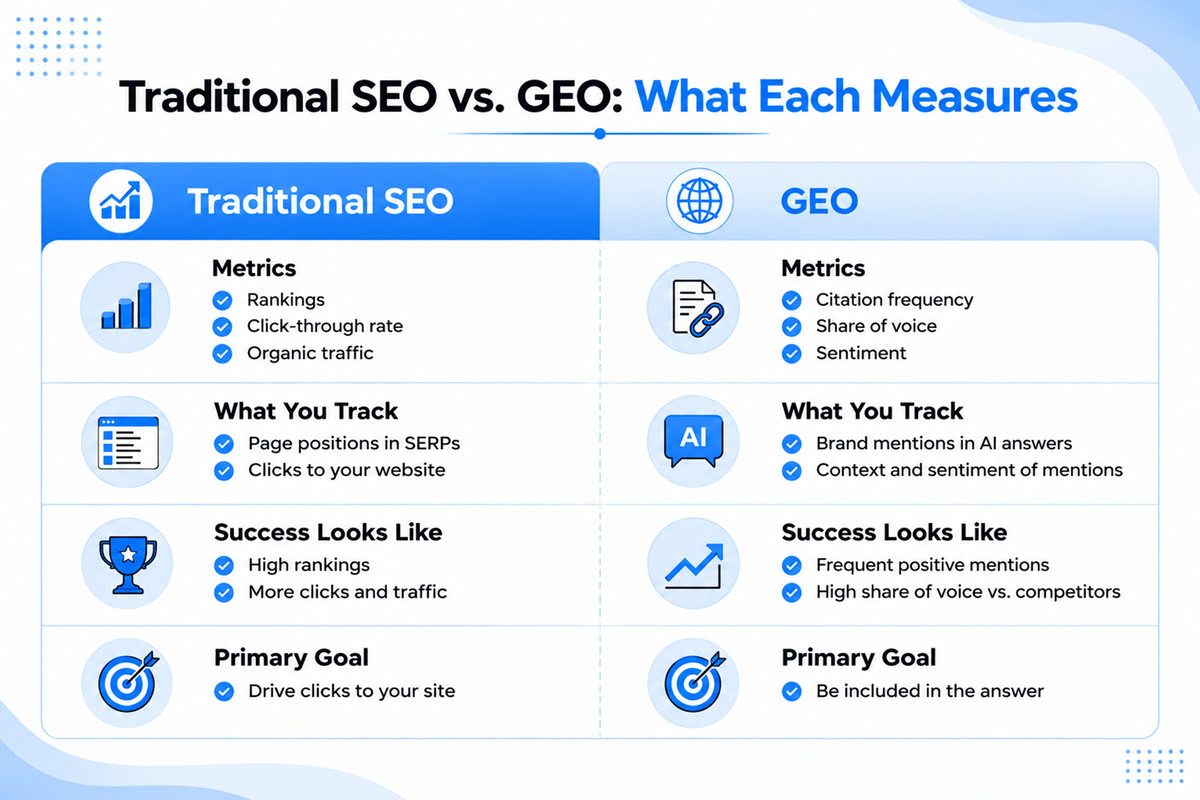
GEO vs Traditional SEO: Do You Need Both?
Many businesses ask: Does GEO replace SEO?
The short answer is no.
GEO does not replace SEO; it builds upon it.
Traditional SEO helps search engines discover and rank your content, while GEO helps AI systems understand, trust, and reference your content.
The most successful digital strategies today combine both approaches.
If you haven't already, read our guide on SEO vs GEO vs AEO: What's the Difference to understand how these optimization methods work together.
You may also find our article on How to Get Your Brand Mentioned in AI Answers useful if your goal is to increase visibility inside AI-generated recommendations.
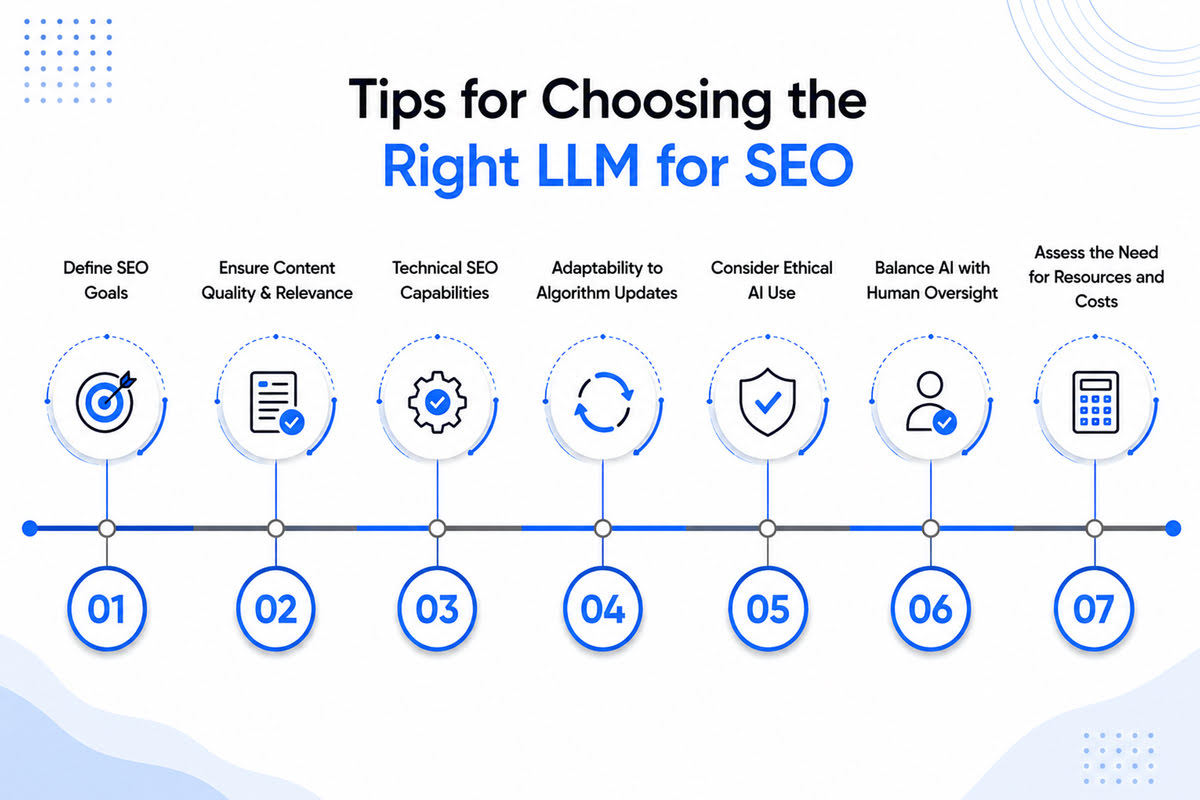
The Future of LLM SEO
As AI adoption continues growing, a new discipline known as LLM SEO is emerging.
LLM SEO focuses specifically on optimizing content for large language models and AI assistants rather than traditional search rankings alone.
Businesses that invest early in optimizing websites for AI assistants will be better positioned to capture visibility in future search experiences.
The goal is no longer simply ranking on page one; it’s becoming the source AI trusts enough to cite.
How Artxpro Helps Businesses Prepare for AI Search
At Artxpro, we help brands adapt to the future of search through advanced GEO and AI search optimization strategies.
As an AI-based SEO agency in Pakistan, our approach combines traditional SEO, semantic SEO, content authority building, structured data implementation, and AI visibility optimization to help businesses stay discoverable across both search engines and AI platforms.
Whether you're looking for the best GEO services in Pakistan or searching for the best digital marketing agency in Pakistan to prepare your business for AI-driven search, our team develops strategies designed for how people search today and how they'll search tomorrow.
Our Approach to Generative Engine Optimization
At Artxpro, our GEO strategy combines traditional SEO with AI-focused optimization. Our process typically includes:
- AI visibility audits
- Entity and topical authority analysis
- Semantic content optimization
- Schema markup implementation
- Internal linking improvements
- Brand authority and citation building
- Ongoing performance monitoring as AI search evolves
Disclaimer:
While AI platforms don't publicly disclose every factor used to generate responses, the recommendations in this guide are based on documented guidance from Google, publicly available research, industry best practices, and our own experience optimizing content for AI-driven search experiences.
Contact Artxpro for GEO & AI SEO Solutions
As AI search continues to reshape how people discover brands online, now is the time to future-proof your digital presence. At Artxpro, we help businesses improve their visibility across traditional search engines and AI-powered platforms through data-driven SEO, Generative Engine Optimization (GEO), semantic SEO, and AI-focused content strategies.
Contact Artxpro today to discover how our GEO and AI search optimization services can help your business stay visible, trusted, and competitive in the AI-first era.
Frequently Asked Questions (FAQs)
What is AI search?
AI search uses generative AI to provide direct, conversational answers instead of displaying only a list of web pages.
What is Generative Engine Optimization (GEO)?
GEO is the process of optimizing content so AI search engines can understand, trust, and reference it in their responses.
How is AI search different from traditional search?
Traditional search returns links to websites, while AI search generates direct answers using information from multiple sources.
Which AI search platforms should businesses optimize for?
Businesses should optimize for ChatGPT, Google AI Overviews, Gemini, Claude, and Perplexity.
Does GEO replace traditional SEO?
No. GEO complements traditional SEO, and both are essential for maximizing online visibility.
How can I optimize my website for AI search?
Create high-quality content, use structured data, build topical authority, and demonstrate expertise and trustworthiness.
Digital Marketing Specialist
With a solid 12+ year background in digital marketing, Danyal delivers blogs packed with timely insights, useful tips, and impactful stories. His writing style is engaging, informative, and always rooted in real-world value for businesses and readers. From breaking down SEO strategies to exploring ecommerce trends and keeping tabs on what’s going viral online, he keeps it fresh, fun, and totally binge-worthy. If it’s worth knowing in the digital world, Danyal’s already writing about it.

An award-winning digital marketing agency dedicated to delivering effective solutions that ensure your success in the age of digital channels, screens, and trends.